 how-to
How to Moisturize Dry Scalp Overnight: A Complete Guide
Table of Contents
- Dry Scalp Symptoms and Causes
- Best Scalp Serum for Dry Itchy Scalp
- Natural Oils for Dry Scalp
- Step-by-Step Overnight Scalp Treatment
- How to Moisturize Dry Scalp Without Overnight Buildup
- Protecting Hair While Treating Your Scalp
- When to See a Dermatologist About Scalp Dryness
- Frequently Asked Questions
Last Updated: October 10, 2026
Dry Scalp Symptoms and Causes
A dry scalp feels tight, uncomfortable, and itchy, with flaking and rough texture at the roots, conditions you can help moisturize dry scalp overnight with the right treatment approach. At Renaissance de Beaute Argan Treatments, we understand that scalp dryness affects how your hair looks and feels.
Common Signs of a Dry Scalp
Key signs of dry scalp include:
- Persistent itching, especially after washing
- White or gray flakes on your scalp and in your hair
- Tightness or tension across your scalp
- Rough texture when you run your fingers through your roots
- Hair that feels brittle or breaks easily
- Redness or irritation on the scalp surface
What Triggers Scalp Dryness
Scalp dryness occurs when moisture loss outpaces replacement. Key triggers include:
Environmental factors:
- Cold, dry winter air strips moisture from your scalp
- Low humidity indoors (heating systems, air conditioning)
- Sun exposure damages the scalp's protective barrier
- Chlorine in pools and hot tubs dries out hair and scalp
Hair care habits:
- Hot water opens the scalp's cuticles and causes moisture loss
- Harsh shampoos strip natural oils your scalp needs
- Washing too frequently disrupts your scalp's natural balance
- Blow-drying on high heat damages the scalp barrier
Health and lifestyle factors:
- Dehydration reduces moisture throughout your body, including your scalp
- Stress can trigger scalp dryness and sensitivity
- Certain health conditions affect scalp moisture
- Nutritional deficiencies impact hair and scalp health
Best Scalp Serum for Dry Itchy Scalp
A scalp serum delivers concentrated moisture directly to the source, absorbing quickly without the heaviness of traditional oils.
The best scalp serum contains natural ingredients like organic plant oils, botanical extracts, and humectants that penetrate the scalp barrier and lock in moisture.
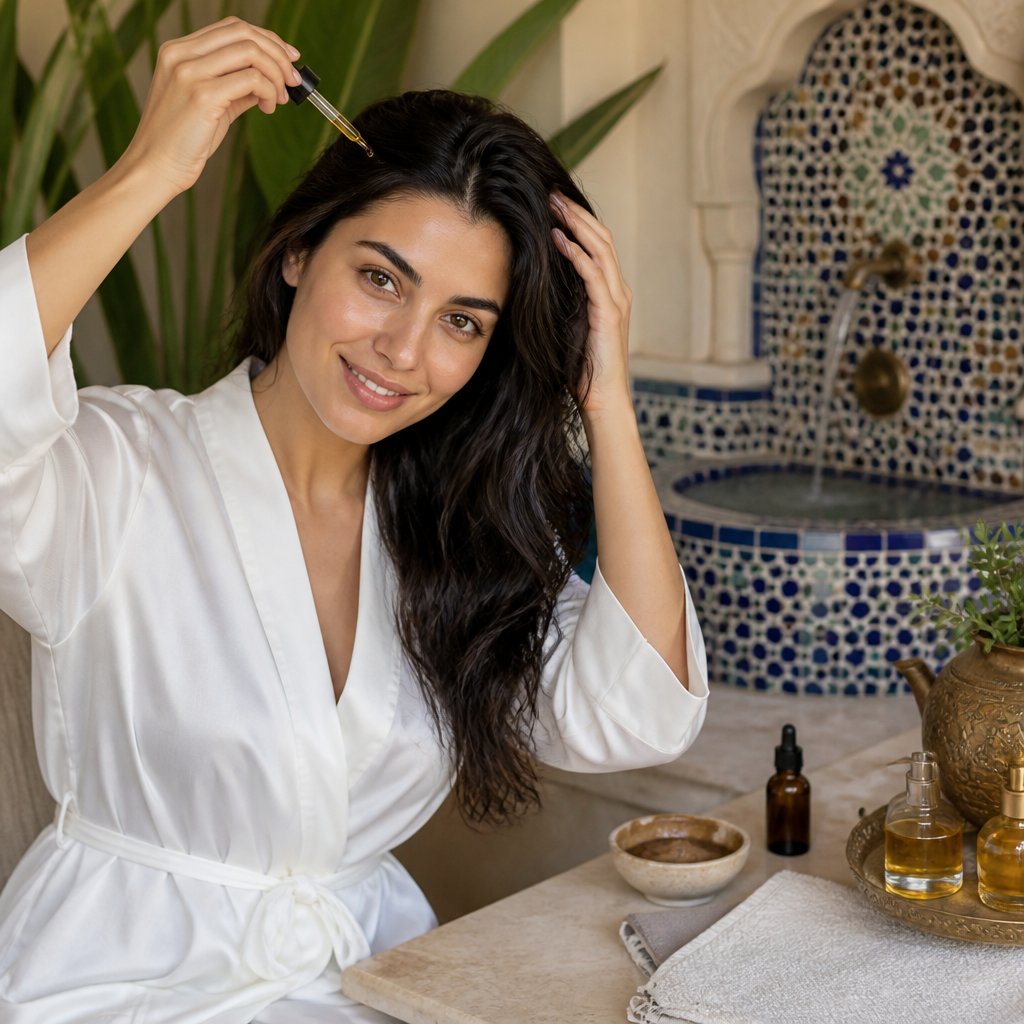
Renaissance de Beaute Argan Treatments offers pure organic argan oil, a traditional Moroccan beauty secret. Argan oil absorbs quickly, delivers deep hydration, and won't transfer to your pillow or create buildup.
When choosing a scalp serum, prioritize absorption speed (5-10 minutes), ingredient transparency, lightweight texture, scalp-specific design, and natural plant-based ingredients.
Natural Oils for Dry Scalp
Natural oils have been used for centuries in Moroccan beauty rituals to restore scalp health by mimicking natural sebum and restoring the compromised moisture barrier.
Why Argan Oil Works for Overnight Hydration
Argan oil, from the argan tree native to Morocco, stands out as an exceptional choice for overnight scalp moisturizing.
Argan oil absorbs quickly without greasy residue, contains essential fatty acids and vitamin E, and won't weigh down hair or create buildup.
Applied before bed, argan oil helps you moisturize dry scalp overnight, working throughout the night to leave your scalp noticeably softer and more comfortable.
Other Effective Natural Oils
Coconut oil provides deep conditioning for very dry, coarse hair but feels heavier than argan oil. MCT oil offers lightweight hydration similar to argan oil. Aloe vera gel soothes irritation without oil's weight. Jojoba oil mimics natural sebum, ideal for sensitive scalps.
Choose an oil matching your hair type: lighter oils for fine hair, richer oils for thick or coarse hair.
Step-by-Step Overnight Scalp Treatment
A successful overnight routine hydrates your scalp while avoiding buildup or pillow transfer.
What You'll Need
Gather: scalp oil or serum, applicator bottle (optional), fine-tooth comb, dark towel or old pillowcase, and regular shampoo.
Application Steps for Maximum Moisture Retention
Follow these steps to moisturize your dry scalp overnight effectively:
Step 1: Start with slightly damp hair. Wash with lukewarm water 30-60 minutes before bed and towel-dry gently. Damp hair allows penetration while preventing excess product from running down your face.
Step 2: Section your scalp. Divide hair into 4-6 sections to ensure even application across your entire scalp.
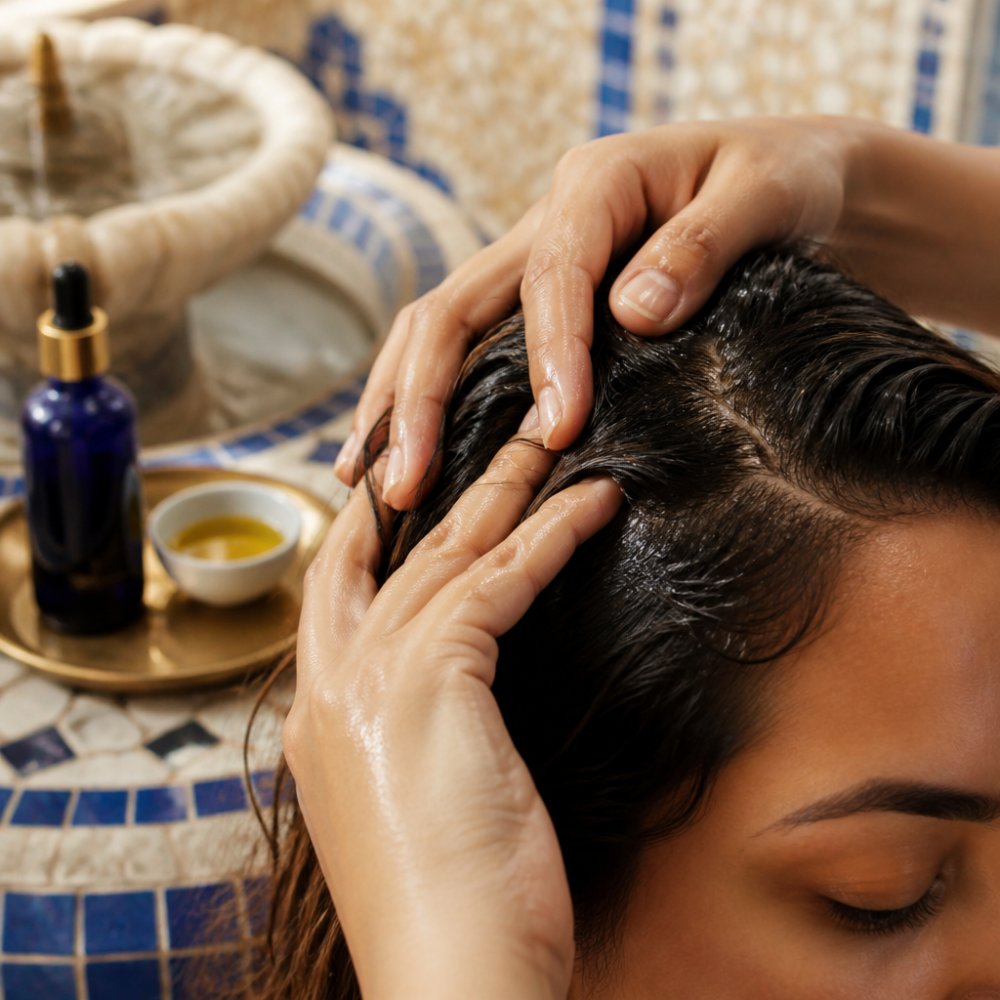
Step 4: Massage gently for 2-3 minutes. Use fingertips in slow circular motions to stimulate blood flow and deepen penetration.
Step 5: Comb through lightly. Use a wide-tooth comb to distribute any excess oil through the mid-lengths and ends of your hair.
Step 6: Protect your pillow. Wrap your hair in a soft cloth or use an old pillowcase.
Step 7: Leave overnight. Sleep with the oil in place for 6-8 hours. Your scalp absorbs moisture throughout the night while you rest.
Morning Wash-Out Instructions
How you remove the overnight treatment matters as much as how you apply it.
Step 1: Rinse with lukewarm water first. Before shampooing, rinse your hair thoroughly with lukewarm water.
Step 2: Shampoo gently. Use a moisturizing shampoo, not a clarifying one. Work the shampoo into a lather and massage your scalp gently.
Step 3: Use cool water for the final rinse. Finish with a cool-water rinse.
Step 4: Apply conditioner to ends only. Condition the mid-lengths and ends of your hair, avoiding your scalp.
Step 5: Air-dry or use low heat. Avoid high-heat blow-drying immediately after treatment. If you must blow-dry, use the lowest heat setting.
Your scalp should feel noticeably softer and less itchy after the first overnight treatment.
How to Moisturize Dry Scalp Without Overnight Buildup
Overnight oil treatments work, but buildup can happen if you apply too much product or don't choose the right consistency. The key is balancing hydration with cleanliness.
Choosing the Right Product Consistency
Not all scalp products have the same texture. Understanding consistency helps you avoid buildup:
Lightweight serums and sprays absorb quickly and don't leave residue. These work best if you have fine or thin hair or if you're new to overnight treatments. They provide hydration without the weight of traditional oils.
Medium-weight oils (like argan oil) offer a balance between hydration and absorption. They work for most hair types and don't typically cause buildup when used correctly.
Heavy oils (like coconut oil) provide intensive moisture but can accumulate on the scalp if overused. Reserve these for weekly treatments or for very coarse, textured hair.
The right consistency depends on your hair type, scalp condition, and how often you treat your scalp. Start with a lightweight option and adjust based on results.
Scalp Massage Techniques for Better Absorption
How you apply the product affects both absorption and buildup risk.
Use your fingertips, not your nails. Apply gentle pressure with the pads of your fingers.
Move in small circles. Start at your hairline and work in circular motions across your scalp.
Don't rush. Spend at least 2-3 minutes massaging. This gives the product time to absorb and feels deeply relaxing.
Focus on the scalp, not the hair. Direct the product to your scalp surface and roots.
Massage before bed, not in the morning. Applying product in the evening allows overnight absorption.
A good scalp massage does double duty: it delivers the moisturizing product and increases blood circulation, which supports overall scalp health.
Protecting Hair While Treating Your Scalp
Overnight scalp treatment shouldn't damage your hair. The right approach protects both your scalp and your strands.
Adapting Your Routine for Different Hair Types and Textures
Different hair types need different treatment approaches:
Fine or thin hair: Use lightweight oils or serums. Apply product only to your scalp, not your hair lengths. Consider treating your scalp every 7-10 days rather than weekly to avoid weighing down your hair.
Wavy or curly hair: These textures benefit from heavier oils and more frequent treatments. Your natural curl pattern already reduces how much natural oil reaches your ends.
Coarse or textured hair: Use richer oils like coconut or argan oil. You can treat your scalp weekly or even twice weekly. Your hair texture handles heavier products well.
Color-treated or damaged hair: Avoid products with sulfates or harsh chemicals. Stick with pure, organic oils. Overnight treatments help repair damage and restore shine.
Oily scalp with dry ends: This tricky combination needs balance. Apply lightweight oil only to your scalp. Condition your ends separately with a hydrating conditioner.
The goal is hydrating your scalp without creating problems elsewhere. Tailor your routine to your specific hair type.
When to See a Dermatologist About Scalp Dryness
Most dry scalp responds well to home treatment with moisturizing oils and adjusted hair care habits. However, some scalp conditions need professional evaluation.
See a dermatologist if:
- Your scalp dryness persists after 4 weeks of consistent overnight treatment
- You develop severe itching, redness, or burning sensations
- You notice signs of infection (warmth, oozing, or unusual odor)
- Your scalp shows signs of a rash or unusual patches
- You experience hair loss along with scalp dryness
- Your scalp feels painful or extremely sensitive
- Over-the-counter treatments make your symptoms worse
A dermatologist can distinguish between simple dryness and conditions like seborrheic dermatitis, psoriasis, or fungal infections. These conditions look similar but need different treatment approaches.
If your scalp dryness stems from a medical condition, professional treatment combined with your home routine will work better than either alone. Your dermatologist can recommend products that won't interfere with any prescribed treatments.
Dry scalp doesn't have to be a constant frustration. An overnight moisturizing routine with quality natural oils can restore your scalp's health and comfort. The key is consistency, choosing the right product for your hair type, and protecting your scalp while you sleep.
For a complete overnight scalp treatment experience, explore Renaissance de Beaute Argan Treatments' collection of pure organic argan oil and traditional Moroccan beauty essentials. If you'd like personalized guidance on choosing the right overnight treatment for your specific scalp needs, Treatment Consultations are available to help you create a routine tailored to your hair type. Browse our Renaissance Online Shop to discover the right products for your overnight routine.
Frequently Asked Questions
What are the best symptoms to watch for when determining if you have a dry scalp?
Dry scalp typically shows itching, flaking, and tightness, especially after washing. Unlike dandruff, dry scalp flakes are smaller and less oily. You may also notice redness, sensitivity to products, or dryness that worsens in winter or with hot water. If symptoms persist beyond two weeks despite moisturizing treatments, consult a dermatologist to rule out other conditions like psoriasis or seborrheic dermatitis.
Should you wash out scalp oil in the morning after an overnight moisturize dry scalp treatment?
Yes, always wash out overnight scalp treatments in the morning with lukewarm water and a gentle, moisturizing shampoo. Use a sulfate-free formula to avoid stripping natural oils. Massage gently for 1-2 minutes, then rinse thoroughly until no residue remains. Leaving oil buildup can trap moisture but also attract dirt and create an imbalanced scalp environment. A clean morning rinse prevents product accumulation while preserving the hydration benefits.
How often should you use an overnight scalp treatment for dry scalp?
Start with 1-2 times per week and adjust based on your scalp's response. If dryness improves, you can reduce frequency to once weekly for maintenance. Those with severe dryness may benefit from 2-3 applications weekly, while others find once weekly sufficient. Monitor your scalp's hydration level and itching; if symptoms return, increase frequency. Avoid daily overnight treatments, as this can lead to buildup and potentially irritate sensitive scalps.
What makes natural oils for dry scalp more effective than regular conditioners?
Natural oils penetrate the scalp more deeply than rinse-out conditioners, which primarily coat the hair shaft. Oils like argan, coconut, and jojoba contain fatty acids and vitamins that nourish the scalp tissue itself and lock in moisture for extended periods. Overnight application allows uninterrupted absorption, whereas conditioners are washed out quickly. Natural oils also lack harsh sulfates and synthetic chemicals that can further irritate dry, sensitive scalps, making them gentler for long-term scalp health.