 how-to
How to Treat Dry Scalp Naturally: A 2026 Guide
Table of Contents
- Dry Scalp vs. Dandruff: Why the Difference Matters
- Best Natural Oils for Dry Scalp
- How to Use Argan Oil for Hair and Scalp
- Natural Scalp Exfoliation Techniques That Restore Balance
- Frequently Asked Questions
Last Updated: August 24, 2026
Dry Scalp vs. Dandruff: Why the Difference Matters
Dry scalp and dandruff are not the same condition, and treating one with the wrong approach can worsen the other.
Dry scalp is a moisture-deficit condition producing fine, white flakes with tightness and itchiness. Dandruff, or seborrheic dermatitis, stems from fungal overgrowth, producing larger, oily, yellowish flakes that cling to hair.
This distinction matters enormously. Applying heavy oils to seborrheic dermatitis can feed the fungal infection. Harsh anti-dandruff shampoos strip moisture from dry scalp, deepening inflammation. Persistent flaking warrants a dermatologist visit. Deficiencies in omega-3 fatty acids, zinc, and B vitamins are commonly linked to chronic dryness (peer-reviewed research).
Best Natural Oils for Dry Scalp
The right carrier oil restores moisture, calms inflammation, and rebuilds the scalp barrier.
| Oil | Primary Benefit | Best Hair Type | Key Caution |
|---|---|---|---|
| Argan oil | Deep hydration, scalp barrier repair | All types, especially fine or color-treated | Patch-test if highly reactive |
| Coconut oil | Moisturizing, antibacterial | Thick, coarse, or low-porosity hair | Can weigh down fine hair |
| Tea tree oil | Antiseptic, antifungal | Oily or flaking scalps | Always dilute in a carrier oil |
| Jojoba oil | Mimics sebum, balances pH | Oily or combination scalps | Generally well-tolerated |
| Aloe vera | Soothe irritation, cool inflammation | Sensitive or reactive scalps | Check for latex sensitivity |
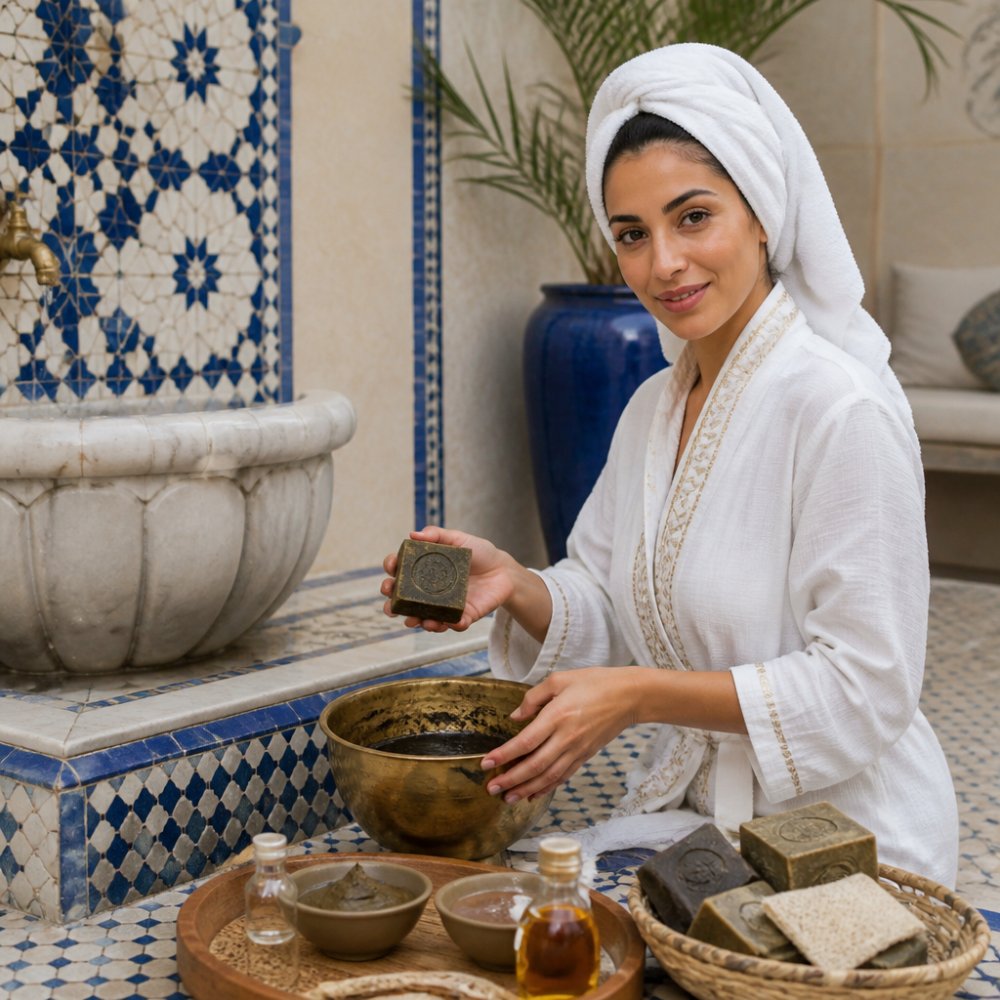
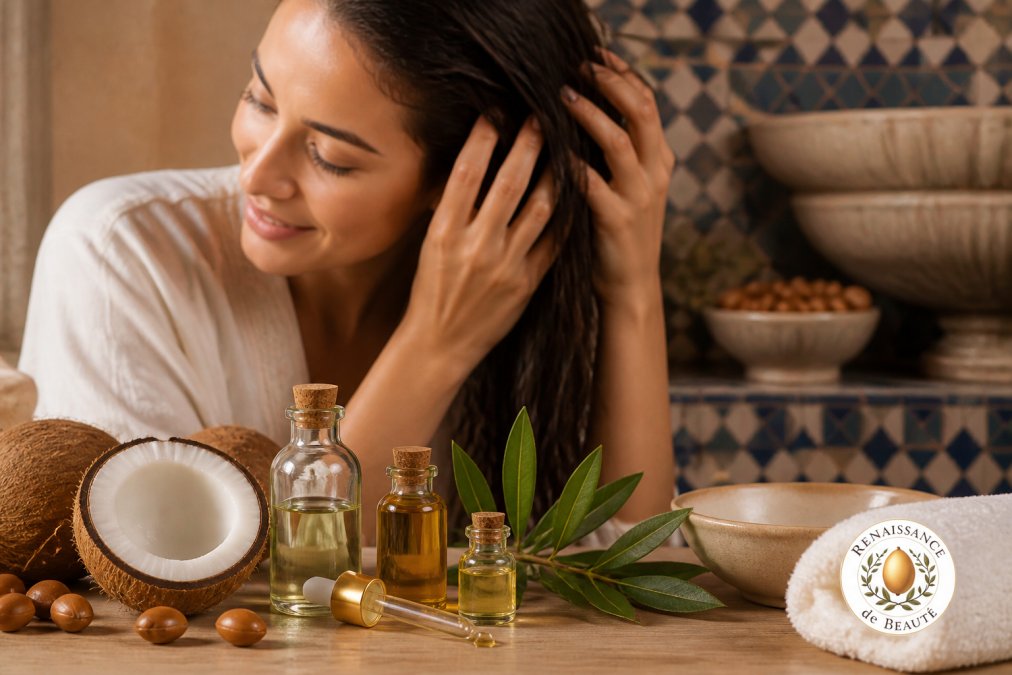
Argan oil stands out because its fatty acid profile absorbs quickly without clogging follicles. Renaissance de Beaute Argan Treatments sources pure organic Argan Oil from Morocco, where traditional cold-press extraction preserves nutrients. For fine hair, jojoba or argan oil avoid the heaviness coconut oil can leave.
How to Use Argan Oil for Hair and Scalp
Follow these steps for an effective at-home scalp treatment:
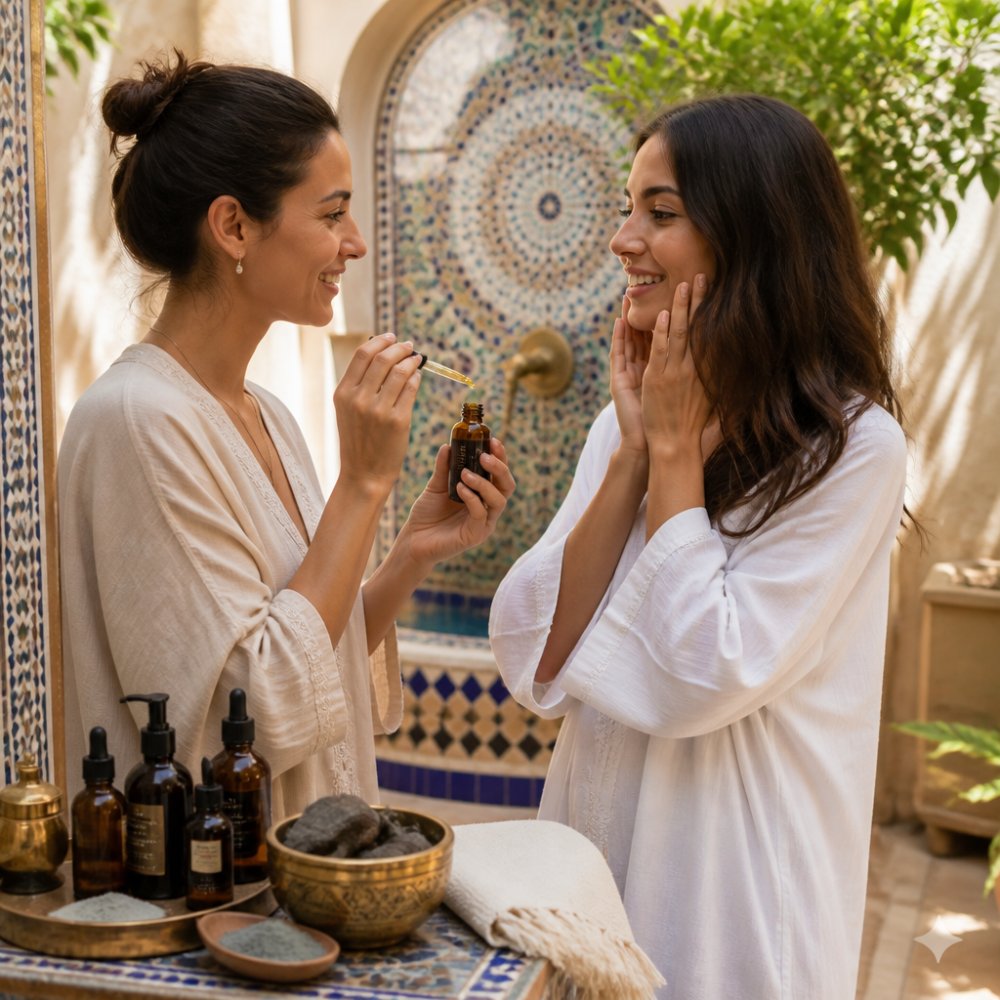
- Warm the oil slightly. Pour 4-6 drops into your palm and rub your hands together for 10 seconds.
- Section your hair. Divide hair into four sections to ensure even coverage.
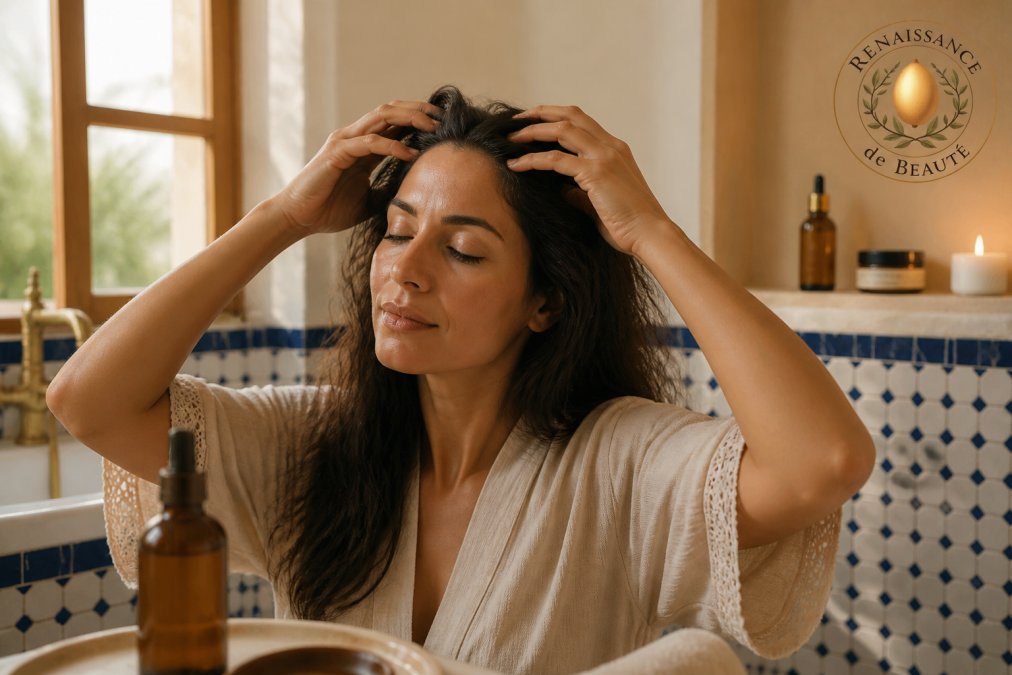
- Apply directly to the scalp. Use your fingertips to apply oil to the scalp itself, not just hair lengths.
- Massage for 3-5 minutes. Use small circular motions to improve circulation and help the oil penetrate deeply.
- Leave on for at least 30 minutes. For deeper conditioning, wrap your hair in a warm towel and leave for up to two hours.
- Rinse with a gentle shampoo. Use a sulfate-free, gentle shampoo to remove the oil without stripping the scalp.
Repeat once or twice a week. If you'd like personalized guidance on which treatment approach works best for your scalp type, a Treatment Consultation can help you develop a tailored routine.
Natural Scalp Exfoliation Techniques That Restore Balance
Dead skin cell buildup blocks hair follicles and prevents moisturizing treatments from absorbing properly. Gentle exfoliation clears the way for treatments to work.
Physical exfoliation: Mix two tablespoons of brown sugar with one tablespoon of argan or jojoba oil. Apply to a damp scalp and massage gently in circular motions for two minutes before rinsing.
Chemical exfoliation: Apple cider vinegar, diluted to a 1:3 ratio with water, acts as a mild exfoliant that restores the scalp's natural pH balance. Apply after shampooing, leave for two minutes, and rinse thoroughly. According to dermatology resources at the Cleveland Clinic, maintaining the scalp's acid mantle is central to preventing chronic dryness and irritation.
Switch to sulfate-free shampoo permanently, rinse with cool water to preserve natural oils, deep condition weekly, and avoid over-washing, which removes sebum faster than the scalp can replace it. For a complete spa-quality experience at home, Renaissance Bath & Body Combos offer curated treatment packages that pair beautifully with a consistent scalp care routine.
Frequently Asked Questions
Q: What's the fastest way to hydrate a dry scalp naturally?
A: The quickest relief typically comes from applying a warm carrier oil, such as argan or coconut oil, directly to the scalp and leaving it on for 30 minutes before washing with a gentle, sulfate-free shampoo. Argan oil is especially effective because it absorbs quickly and delivers moisture without clogging hair follicles. For deeper penetration, wrap your hair in a warm towel after applying.
Q: What vitamin deficiency causes a dry scalp?
A: Low levels of vitamin D, vitamin B7 (biotin), and zinc are commonly linked to scalp dryness, flaking, and itchiness. Vitamin D supports healthy skin cell turnover, while biotin helps maintain the scalp's natural sebum production. If you notice persistent dryness despite topical treatments, a dermatologist can order a blood panel to check for nutritional deficiencies before recommending dietary changes or supplementation.
Q: How often should I apply natural oil treatments to treat dry scalp naturally?
A: For moderate dryness, applying a natural oil treatment once or twice a week is a practical starting point. If your scalp is severely dry or shows signs of seborrheic dermatitis, more frequent short applications, 20 to 30 minutes, two to three times weekly, may help restore hydration faster. Always patch-test any new oil before a full application, and reduce frequency once symptoms improve to avoid over-conditioning the hair shaft.
Managing dry scalp naturally takes consistency, but the right combination of moisturizing oils, gentle exfoliation, and scalp barrier care genuinely works. If you are ready to bring authentic, organic ingredients into your routine, explore Renaissance de Beaute Argan Treatments' pure Argan Oil and Hammam-inspired essentials, or visit the contact page for personalized spa package recommendations tailored to your scalp and hair type.