 how-to
How to Incorporate Moroccan Rituals Into Skincare
Table of Contents
- What You'll Need for a Moroccan Skincare Ritual
- The Benefits of Beldi Black Soap for Traditional Cleansing
- How to Use Ghassoul Clay for Weekly Purification
- How to Treat Dry Scalp Naturally With Moroccan Oils
- Building Your Weekly Moroccan Rituals Routine
- Adapting Moroccan Rituals for Your Skin Type
- Common Mistakes to Avoid With Moroccan Skincare Rituals
- Conclusion
- Frequently Asked Questions
Last Updated: September 27, 2026
What You'll Need for a Moroccan Skincare Ritual
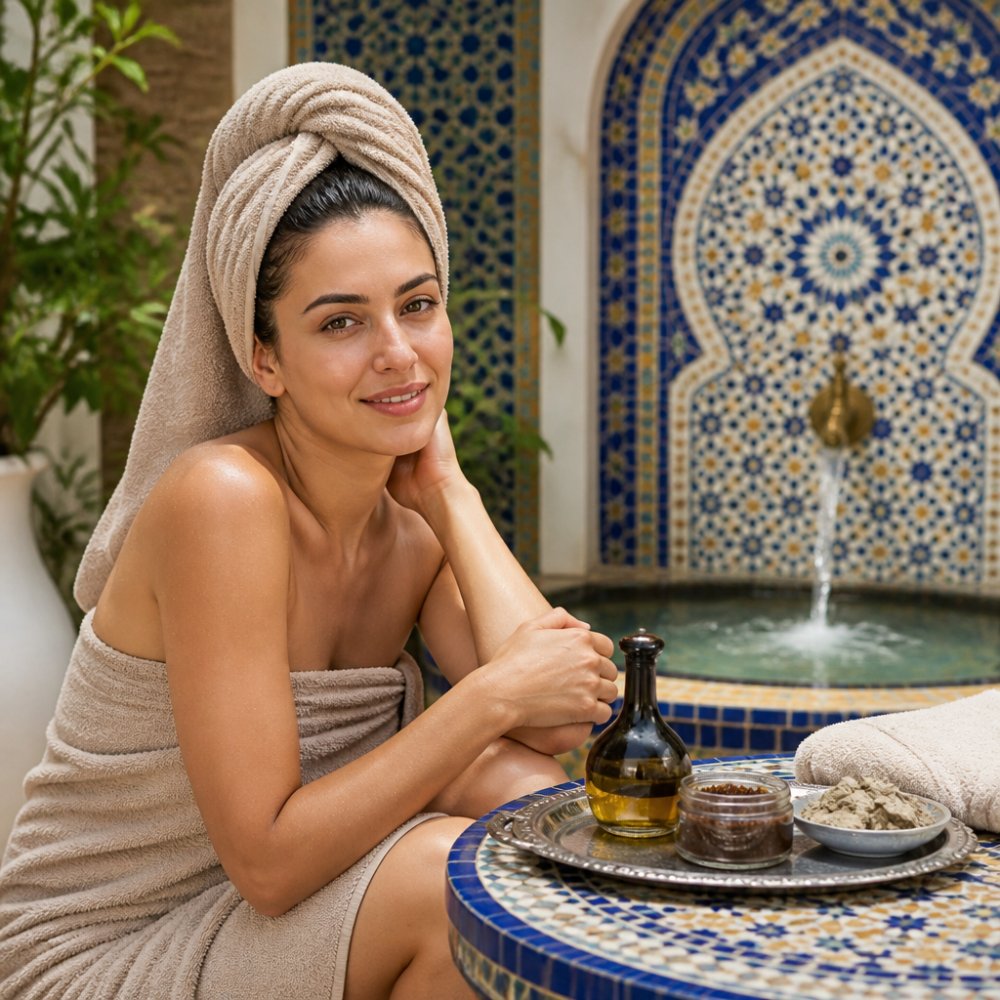
Learning how to incorporate moroccan rituals into skincare starts with five simple items. Moroccan rituals are traditional cleansing and care practices built around natural ingredients like olive-based black soap, mineral clay, and cold-pressed oils, used for centuries to soften skin and restore a healthy glow.
The core kit is short:
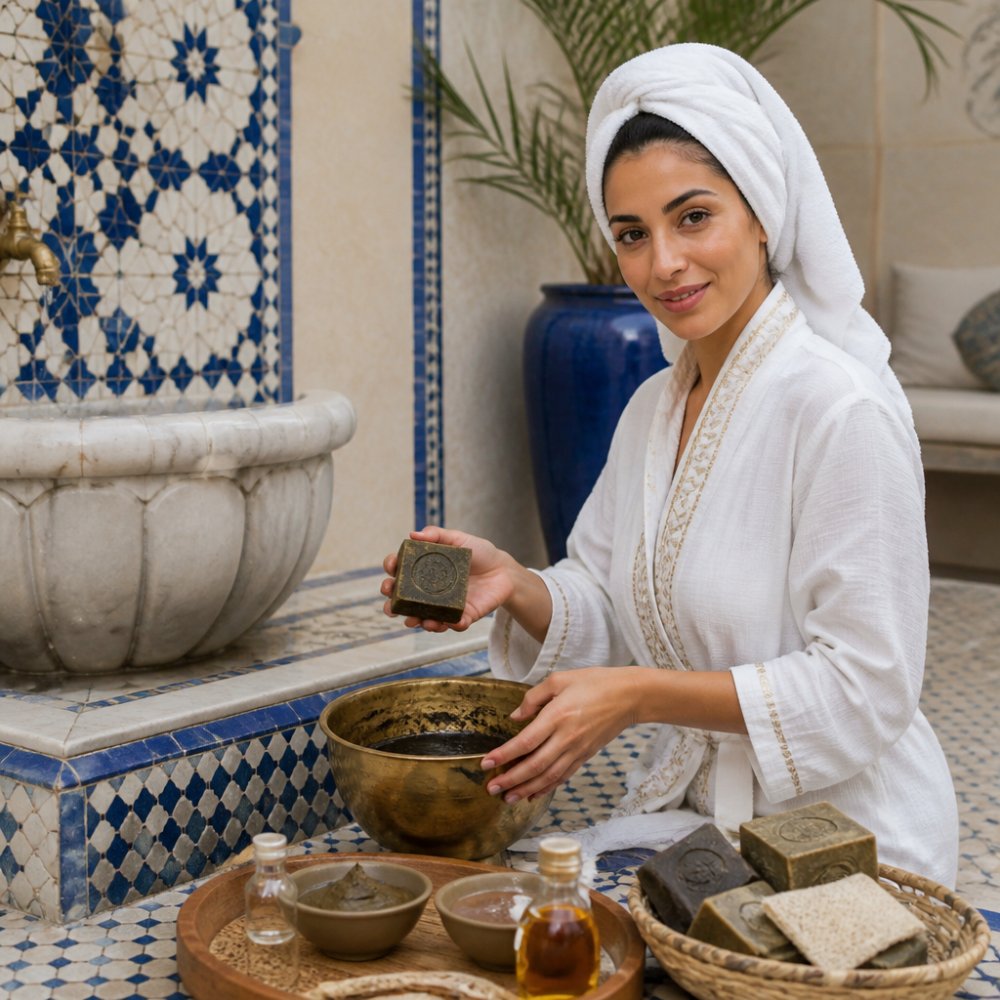
- Beldi black soap for cleansing
- A kessa exfoliating glove
- Ghassoul clay for weekly purification
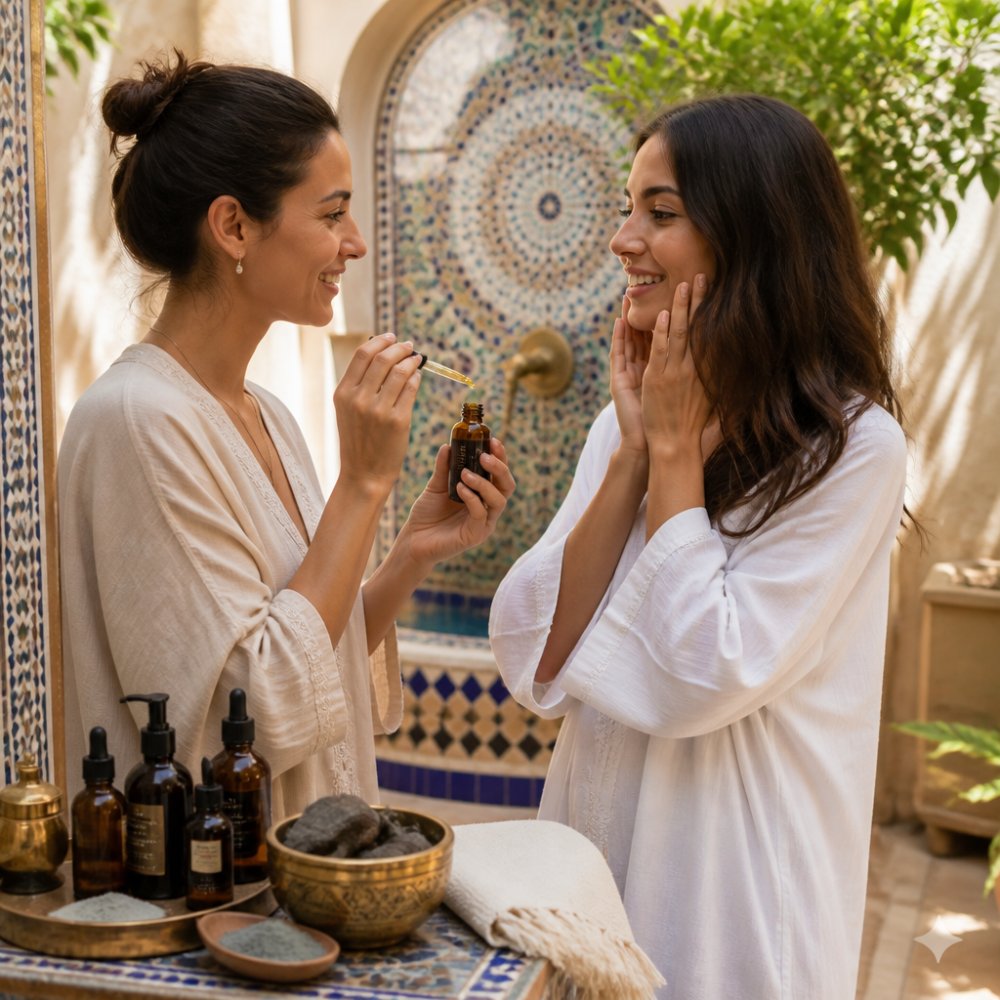
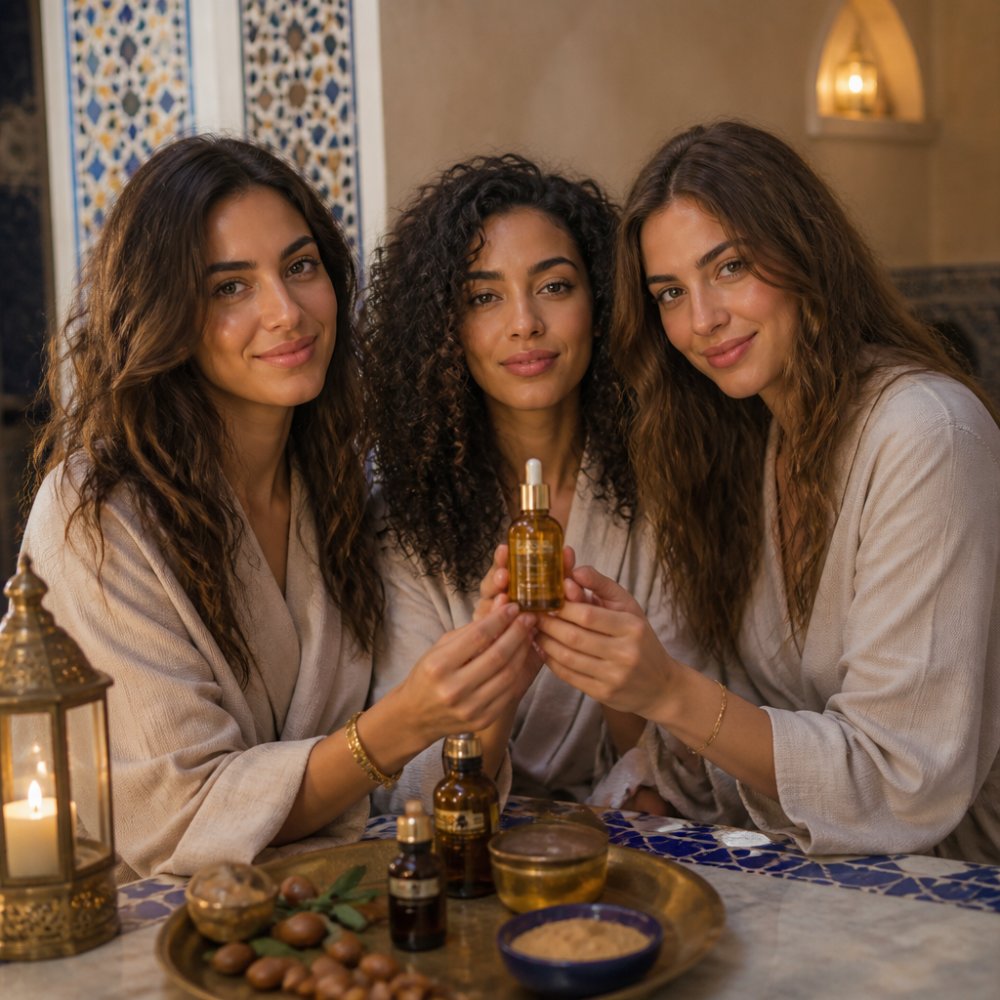
- Argan oil for moisture
- Rose water as a finishing mist
The Benefits of Beldi Black Soap for Traditional Cleansing
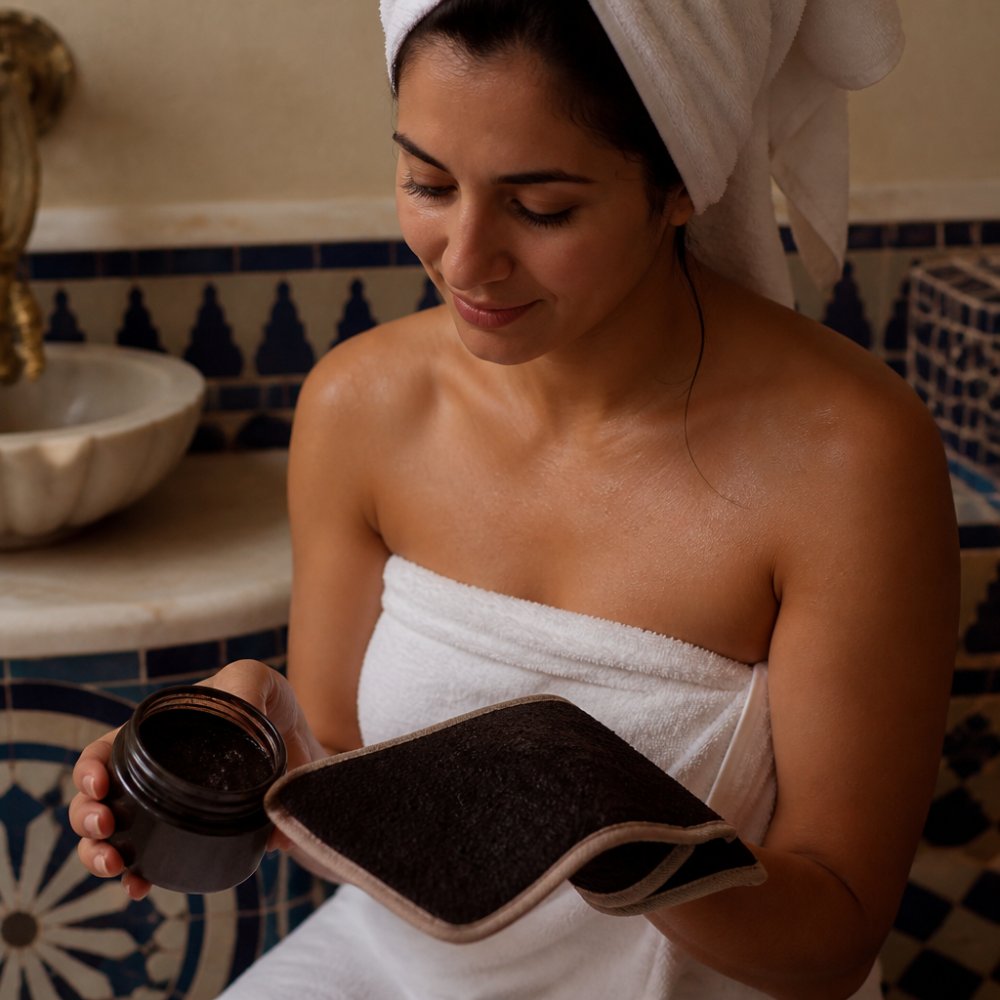
Beldi black soap is a soft, olive-oil-based cleanser that lifts dead skin and prepares the body for exfoliation.
How Beldi Soap Supports Skin Purification and Detoxification
Beldi soap supports purification by loosening dirt, oil, and dead cells so warm water can rinse them away. Apply it to damp skin, wait three to five minutes, then rinse, that short pause is what makes the difference.
How to Use Ghassoul Clay for Weekly Purification
Ghassoul clay (also spelled rhassoul) is a mineral-rich clay mined in the Atlas Mountains. Its particles are unusually fine and its pH sits close to skin's natural range, so it lifts excess oil without the tight, squeaky feeling harsher clays leave behind. As the paste dries, the clay's negative charge attracts impurities, excess sebum, surface debris, dead cells, and holds them until you rinse.
Mixing Ratios and Application
A workable ratio is one part clay to one and a half parts liquid by volume, roughly two tablespoons of clay to three tablespoons of warm (not hot) water for a face-and-neck treatment.
- Add liquid a little at a time and stir with a non-metal spoon, metal can react with the clay's minerals and leave a metallic smell.
- Stop when the texture looks like thick yogurt; lumpy paste dries unevenly.
- Apply a thin, even layer over face and body, avoiding the eye area and broken skin.
- Leave it on 8 to 10 minutes. The moment the surface stops looking wet and starts looking matte, rinse.
- Rinse with warm water and your fingertips or a soft cloth. Do not scrub.
- While skin is still damp, press in a few drops of argan oil to lock in moisture.
Frequency and Skin-Type Adjustments
Once a week suits most people. Oily and combination skin can handle twice a week on the T-zone only. Dry, mature, or sensitive skin does better with once every 10 to 14 days, mixed with rose water or a spoonful of argan oil instead of plain water. If skin feels tight, flushed, or flaky after a mask, back off to every other week and shorten the time to five or six minutes.
Choosing Authentic Ghassoul Clay: Sourcing and Quality
Authentic Ghassoul comes from a single region in the Atlas Mountains and has a silky, almost slippery feel when wet. It should be a soft gray-brown, not bright white or chalky pink, those colors usually signal kaolin or a blend.
What to look for on a label:
- The origin is named (Atlas Mountains, Morocco), not just "Moroccan clay."
- The ingredient list says "Ghassoul clay" or "Moroccan lava clay" and nothing else, fillers like bentonite, sand, or fragrance are common in cheap blends.
- The texture is fine and powdery, not gritty.
- The seller can tell you who mines it.
Layering Ghassoul With Modern Actives
If you use prescription retinoids, vitamin C serums, or exfoliating acids, keep clay days separate. Clay is mildly astringent and temporarily increases skin permeability, so a strong active right after a mask can sting or over-irritate. A safe pattern: clay mask one evening, active the next. For anyone new to both, introduce the clay mask first and wait two weeks before adding an active, so you know which product caused any irritation.
How to Treat Dry Scalp Naturally With Moroccan Oils
The best way to treat dry scalp naturally is a warm oil treatment before washing. Massage argan oil or prickly pear seed oil into the scalp, wait 20 minutes, then shampoo.
Try this once a week:
- Warm one tablespoon of argan oil in your palms
- Massage into the scalp in small circles
- Leave for 20 minutes, or overnight for very dry scalps
- Shampoo and condition as usual
Building Your Weekly Moroccan Rituals Routine
A simple weekly rhythm works better than an occasional deep treatment.
| Day | Step | Time | Focus |
|---|---|---|---|
| Daily | Argan oil + rose water | 2 min | Hydration |
| Midweek | Scalp oil massage | 20 min | Dry scalp care |
| Weekend | Beldi soap + kessa glove | 30 min | Exfoliation |
| Weekend | Ghassoul clay mask | 15 min | Purification |
A Step-by-Step Hammam-Inspired Routine at Home
A hammam-inspired routine at home follows four steps: soften, cleanse, exfoliate, and nourish.
- Soften. Run a warm shower and let steam build for five minutes.
- Cleanse. Apply beldi black soap all over and wait three to five minutes.
- Exfoliate. Rinse, then scrub with a kessa glove in long strokes.
- Nourish. Pat dry and massage in argan oil, then mist with rose water.
Adapting Moroccan Rituals for Your Skin Type
Traditional Moroccan care was never one-size, the same ingredients were adjusted by season, age, and skin condition. Here is how to do the same, with specific swaps and frequencies for each skin type.
Dry and Dehydrated Skin
Dry skin benefits most from the oil-forward side of the ritual and least from aggressive exfoliation.
- Cleanse: Beldi black soap once or twice a week. On other days, use a cream cleanser or just warm water and a soft cloth.
- Exfoliate: Kessa glove every 10 to 14 days, with light pressure. Over-scrubbing dry skin damages the barrier and makes flaking worse.
- Clay: Once every two weeks, mixed with rose water or a teaspoon of argan oil rather than plain water.
- Nourish: Argan oil twice daily, morning under sunscreen, evening as the last step. Prickly pear seed oil is a richer alternative for very dry or mature skin.
- Rose water: Mist before the oil, not after. It adds a layer of water that the oil then seals in.
Oily and Acne-Prone Skin
Oil is not the enemy here, the wrong oil is. Argan oil is low on the comedogenic scale, but heavy butters and coconut oil are not.
- Cleanse: Beldi black soap three to four times a week. It removes excess sebum without the stripping effect of foaming cleansers.
- Exfoliate: Kessa glove once a week on the body. Skip facial scrubbing entirely during active breakouts, friction spreads bacteria.
- Clay: Ghassoul twice a week on the T-zone, once a week on the full face. This is the single most useful step for oily skin.
- Nourish: A few drops of argan oil at night only. During the day, use a lightweight gel moisturizer.
- Rose water: Use as a toner after cleansing to balance pH without adding oil.
Sensitive and Reactive Skin
Sensitivity is about barrier function. Introduce one variable at a time and stop at the first sign of redness or stinging.
- Cleanse: Patch-test beldi soap on your inner arm for 48 hours before using it on your face. Some sensitive skin does better with it on the body only.
- Exfoliate: A soft kessa glove or a konjac sponge every other week. Skip entirely during flare-ups.
- Clay: Once every two to three weeks, mixed with rose water, left on no more than five minutes.
- Nourish: Argan oil is usually well tolerated, but start with one drop on the jawline and wait a day.
- Rose water: The gentlest entry point. Use it alone as a hydrating mist before adding anything else.
Mature Skin
Mature skin loses both oil and water, so lean toward hydration and gentle stimulation rather than deep cleansing.
- Cleanse: Beldi soap once a week. Daily use can leave mature skin feeling tight.
- Exfoliate: Kessa glove weekly with light pressure to support circulation and cell turnover.
- Clay: Once every 10 days, always buffered with oil.
- Nourish: Layer rose water, then argan oil, then a richer cream if needed. Prickly pear seed oil is especially popular for its antioxidant content.
- Scalp: The warm oil scalp treatment from earlier in this guide is worth doing weekly, mature scalps dry out too.
If You Use Prescription Actives
If you are on tretinoin, tazarotene, or a high-percentage AHA, your skin is already in accelerated turnover. Adding traditional exfoliation on top is how people end up with raw, peeling skin.
A workable rule:
- Retinoid nights and kessa glove days should be at least 48 hours apart.
- Clay masks go on the day after a retinoid, not the same day.
- Argan oil is safe to layer over a retinoid once it has absorbed, it can actually reduce the flaking that retinoids cause.
- Rose water is fine any day, any time.
Common Mistakes to Avoid With Moroccan Skincare Rituals
The biggest mistake is scrubbing dry skin. Always soften first, or the glove will irritate instead of smooth.
Other common errors:
- Leaving clay on until it cracks, which pulls moisture from skin
- Using hot water, which strips natural oils
- Skipping the oil step, so skin feels tight after cleansing
- Exfoliating daily instead of weekly
These rituals reward consistency over intensity.
Conclusion
Building a routine that works takes a little trial and error, and the right ingredients make it far easier. Renaissance de Beaute invites you to discover the luxurious, authentic beauty secrets of Morocco with our curated collection of organic Argan treatments and traditional Hammam-inspired essentials. We offer spa-quality products like pure Argan Oil, Beldi Black Soap, and Ghassoul, meticulously crafted to revitalize your skin, scalp, and hair, delivering deep cleansing, detoxification, and remarkable anti-aging benefits.
Frequently Asked Questions
What is the traditional Moroccan skincare routine?
The traditional Moroccan skincare routine centers on the hammam, a weekly cleansing ritual. It begins with beldi black soap applied to damp skin, followed by steam therapy to open pores. A kessa glove then exfoliates dead cells, and ghassoul clay purifies and detoxifies. The ritual ends with argan oil or rose water for hydration and nourishment. At home, you can recreate this in about 45 minutes once a week for glowing skin.
What are the benefits of using Beldi black soap?
Beldi black soap is rich in vitamin E and natural oils, making it excellent for deep cleansing without stripping the skin barrier. It helps remove impurities, supports detoxification, and prepares skin for exfoliation. Unlike harsh cleansers, beldi soap maintains hydration while refining skin texture. It works well for most skin types, though those with very sensitive skin should patch-test first. Using it two to three times weekly supports a healthy, radiant complexion.
How do you use Ghassoul clay for skin detoxification?
Mix Ghassoul clay with warm water or rose water to form a smooth paste. Apply an even layer to your face or body, avoiding the eye area. Leave it on for 10 to 15 minutes, but remove it before it fully dries to prevent over-drying. Rinse with warm water in circular motions. Use once weekly for oily skin or every 10 days for dry skin. Follow with argan oil to restore hydration and nourishment.
Is Argan oil suitable for all skin types?
Argan oil is non-comedogenic and rich in antioxidants, making it suitable for most skin types. Dry and mature skin benefit from its deep hydration and skin elasticity support. Oily and acne-prone skin can use it in small amounts, as it helps balance oil production without clogging pores. Those with very sensitive skin should patch-test first. Cold-pressed, authentic argan oil delivers the best results for daily maintenance.