 how-to
Does Argan Oil Brighten Skin? A 2026 Guide
Table of Contents
- Does Argan Oil Brighten Skin? What the Evidence Shows
- How Argan Oil Affects Skin Tone and Radiance
- Argan Oil for Dark Spots and Hyperpigmentation
- How to Use Argan Oil on Face for Best Results
- Does Argan Oil Darken Skin? Addressing the Concern
- Argan Oil Side Effects and Safety Considerations
- Sun Protection and Preventing Uneven Tone
- Frequently Asked Questions
Last Updated: October 12, 2026
Does Argan Oil Brighten Skin? What the Evidence Shows
The question of whether argan oil can brighten skin comes up constantly in beauty conversations, and understanding how argan oil brighten skin works is key to setting realistic expectations.
Radiance vs. Actual Skin Lightening
When people ask if argan oil brightens skin, they're usually asking one of two things. They might mean: Does it make skin look more radiant and glowing?
These are completely different outcomes. Radiance comes from hydration and a smooth skin surface that reflects light better. Skin lightening involves reducing melanin production or fading existing pigmentation. Argan oil excels at the first.
Many people use the word "brightening" loosely to describe a healthy glow. That's where argan oil shines. It hydrates the skin barrier, smooths texture, and creates that luminous quality people associate with healthy, well-moisturized skin.
What Clinical Research Tells Us
The honest truth: there isn't extensive clinical research specifically testing argan oil for skin brightening or lightening.
Argan oil contains fatty acids, vitamin E, and antioxidants that help maintain skin hydration and protect against environmental damage. Better hydration does improve skin's appearance, it looks plumper, smoother, and more radiant.
The research that exists focuses on argan oil's general benefits: supporting skin barrier function, reducing inflammation, and providing antioxidant protection. These are real benefits.
How Argan Oil Affects Skin Tone and Radiance
Moisturizing and Hydration Benefits
Argan oil's primary strength is hydration. The oil absorbs quickly into skin without leaving a greasy residue, making it suitable for most skin types. When skin is properly hydrated, it naturally looks brighter and more even-toned.
Here's what happens: dry skin looks dull, emphasizes texture, and can make uneven tone more visible. Hydrated skin reflects light more evenly. It also supports the skin barrier, which means less irritation and inflammation that could worsen uneven tone.
This is where Renaissance de Beaute Argan Treatments' pure argan oil makes a difference. The quality and purity of the oil matter. A high-quality product absorbs properly and delivers consistent hydration without clogging pores or triggering sensitivity.
Antioxidants and Fatty Acids That Support Skin Health
Argan oil contains several compounds that support skin health:
- Vitamin E: A powerful antioxidant that protects skin from environmental damage and supports skin barrier function
- Fatty acids: Including linoleic acid and oleic acid, which maintain skin hydration and elasticity
- Polyphenols: Antioxidants that help protect skin from oxidative stress
- Sterols: Compounds that support skin barrier repair and reduce inflammation
These ingredients work together to keep skin healthy and resilient. Healthier skin looks better, more even, more radiant, with better texture. But again, this is support for overall skin health, not a direct treatment for pigmentation issues.
The antioxidant protection is particularly relevant for preventing new uneven tone. Sun exposure and environmental damage can worsen hyperpigmentation. Argan oil's antioxidants help protect against that damage, which is why it's useful as part of a broader skincare approach.
Argan Oil for Dark Spots and Hyperpigmentation
Understanding Post-Inflammatory Hyperpigmentation
Dark spots and uneven tone come from several causes. The most common is post-inflammatory hyperpigmentation (PIH), darkening that occurs after skin irritation, acne, or injury heals. Other causes include sun damage, melasma, and age spots.
Post-inflammatory hyperpigmentation happens when the skin overproduces melanin during the healing process. The dark mark often fades on its own over time, but it can take months or years.
Argan oil can support this process. Its anti-inflammatory properties may help reduce irritation that triggers or worsens PIH. Its hydration keeps the healing skin barrier healthy. Its antioxidants protect against further damage.
Realistic Expectations and Timeline
If you're hoping argan oil will fade dark spots, set realistic expectations. Argan oil is a supportive treatment, not a corrective one. It won't lighten established hyperpigmentation the way dedicated treatments like vitamin C serums, retinoids, or professional treatments can.
What argan oil can do:
- Support the skin barrier during healing
- Reduce inflammation that might worsen pigmentation
- Provide hydration that improves overall skin appearance
- Protect skin from further damage that could deepen existing spots
For actual fading of dark spots, you'd typically need targeted ingredients like vitamin C, niacinamide, or professional treatments like chemical peels or laser therapy. Argan oil works best as part of that broader routine, not as a standalone solution.
The timeline also matters. Even dedicated spot-fading treatments take 8-12 weeks to show visible results.
How to Use Argan Oil on Face for Best Results
Amount, Frequency, and Application Method
Using argan oil correctly makes a real difference in results. Too little, and you won't get the hydration benefits. Too much, and it can feel heavy or cause issues for oily skin types.
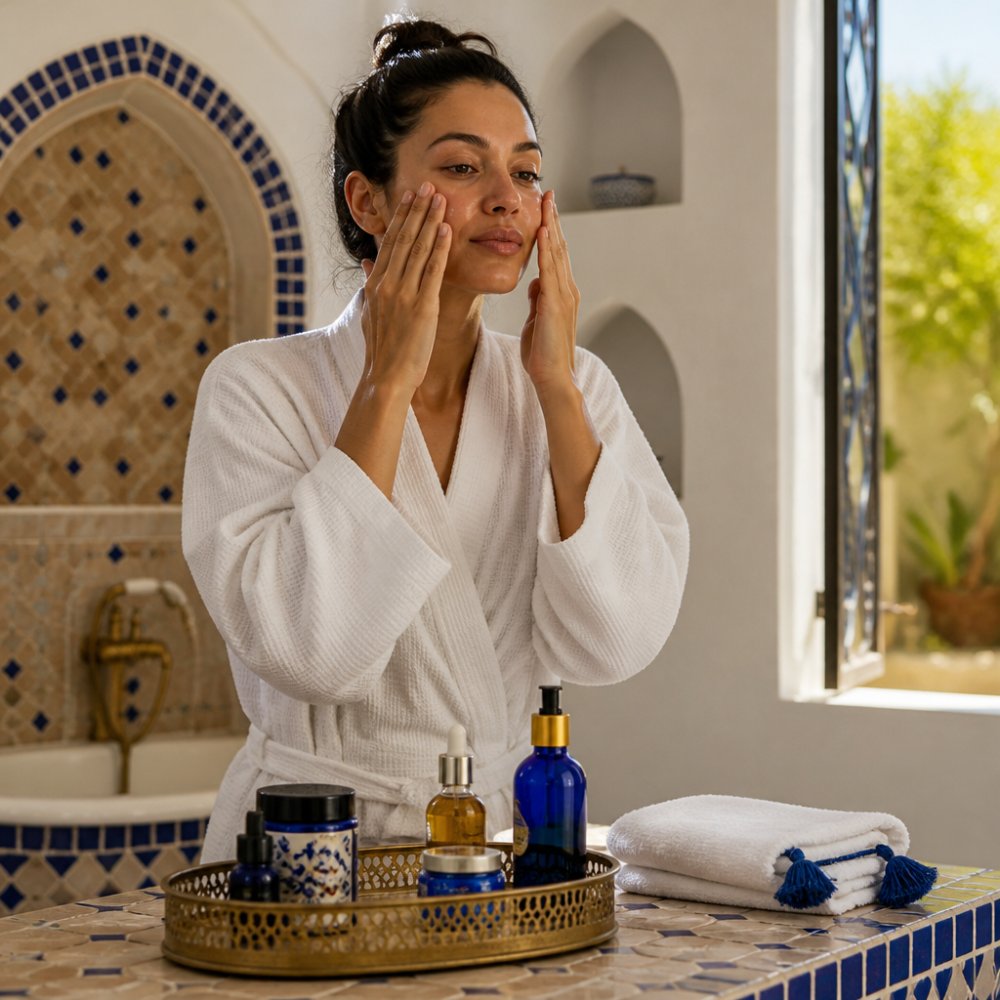
Start with 2-3 drops of pure argan oil per application. Warm it between your palms, then press gently into your face and neck. This method helps the oil absorb better than rubbing or massaging.
Apply argan oil once or twice daily:
- Morning: Use it as the last step in your skincare routine, before sunscreen
- Evening: Apply after cleansing and any serums or treatments
- Frequency: Daily use is safe for most skin types
For best results, apply to damp skin. The moisture helps the oil penetrate and hydrate more effectively.
Incorporating Argan Oil Into Your Daily Routine
Argan oil fits easily into most skincare routines. The key is layering it correctly.
Basic routine order:
- Cleanser
- Toner or hydrating essence (optional)
- Serums or treatments (vitamin C, niacinamide, etc.)
- Argan oil
- Moisturizer (optional, many people skip this if using argan oil)
- Sunscreen (morning only)
If you're using active treatments like retinoids or acids, apply those first, let them dry completely, then apply argan oil to seal everything in.
For sensitive skin, argan oil is often gentle enough to use daily. For acne-prone skin, test it first, some people find it helpful, others find it too heavy. Start with the patch test approach before committing to full-face application.
Does Argan Oil Darken Skin? Addressing the Concern
A common worry: Does argan oil darken skin? The short answer is no. There's no mechanism by which argan oil would increase melanin production or darken your complexion.
This concern likely stems from confusion about oils and sun exposure. Argan oil itself doesn't darken skin. However, if you apply argan oil and then go in the sun without sunscreen, your skin could darken from UV exposure, but that's the sun, not the oil.
In fact, argan oil's antioxidants provide some protection against UV damage, making it a helpful part of your daytime routine before sunscreen. The sunscreen is still essential, argan oil isn't a substitute, but the oil supports your skin's defenses.
If your skin tone looks darker after using argan oil, it's likely because:
- You're not using sunscreen
- You're experiencing a reaction or irritation (rare, but possible)
- The improved hydration and radiance is making existing pigmentation more visible
The last point is worth noting. Hydrated skin reflects light differently. If you have existing dark spots or uneven tone, they might appear more visible on well-hydrated skin simply because the skin around them is brighter.
Argan Oil Side Effects and Safety Considerations
Patch Testing and Sensitive Skin
Argan oil is generally well-tolerated, but allergies and sensitivities do happen. If you have reactive skin, patch test first.
Apply a small amount (pea-sized) to your inner arm or behind your ear. Wait 24-48 hours and watch for redness, itching, or irritation. If your skin reacts, argan oil isn't right for you.
For very sensitive skin, introduce argan oil slowly:
- Week 1: Use 2-3 times per week
- Week 2: Use 4-5 times per week
- Week 3+: Use daily if tolerated
This gradual approach helps your skin adjust and makes it easier to identify if argan oil is the culprit if irritation develops.
Argan Oil for Different Skin Types
Argan oil works differently depending on your skin type:
Dry skin: Argan oil is ideal. It provides deep hydration without heaviness. Use it twice daily for best results.
Oily skin: Use sparingly and only at night. The lightweight texture is less likely to clog pores than heavier oils, but some oily-skin people still find it too much. Test carefully.
Combination skin: Apply argan oil to dry areas only, typically cheeks, forehead, and neck. Skip the T-zone if it tends toward oiliness.
Acne-prone skin: Proceed cautiously. Argan oil is non-comedogenic (doesn't clog pores), but individual reactions vary. Patch test first. If you use it, apply only to non-affected areas initially.
Sensitive skin: Argan oil's anti-inflammatory properties often make it a good choice for sensitive skin. Its gentle profile means fewer irritation triggers than many other oils.
Sun Protection and Preventing Uneven Tone
Here's something most guides miss: sun protection is the most important factor in preventing and managing uneven skin tone. Argan oil supports this, but it's not a substitute for sunscreen.
UV exposure:
- Triggers melanin production
- Worsens existing hyperpigmentation
- Causes new dark spots
- Slows the fading of existing spots
Using argan oil without sun protection defeats the purpose. The oil hydrates and protects with antioxidants, but those benefits are overwhelmed by daily UV damage.
The complete approach:
- Use sunscreen daily (SPF 30 minimum, SPF 50+ for maximum protection)
- Apply argan oil as part of your routine to support skin barrier and provide antioxidant protection
- Avoid peak sun hours (10 AM to 4 PM) when possible
- Wear protective clothing and hats when spending extended time outdoors
If you're concerned about uneven tone or dark spots, sun protection is non-negotiable. Argan oil enhances the results of good sun habits, but it can't overcome the damage of unprotected sun exposure.
The question of whether argan oil brightens skin has a nuanced answer. It absolutely enhances radiance and supports skin health through hydration and antioxidant protection.
At Renaissance de Beaute Argan Treatments, we believe in honest skincare. Our pure argan oil delivers real benefits for skin hydration, texture, and overall appearance.
Ready to experience the hydrating and radiance-boosting benefits of premium argan oil? Browse our Renaissance Online Shop to find the right product for your skin type, or schedule a Treatment Consultation with our team for personalized skincare guidance tailored to your specific concerns.
Frequently Asked Questions
Can you apply argan oil to your face every day?
Yes, argan oil is gentle enough for daily use for most skin types. A few drops applied morning and evening is sufficient. Those with oily or acne-prone skin may prefer using it only at night or every other day to avoid excess shine. Start with small amounts and adjust based on how your skin responds. If you have sensitive skin, begin with 2-3 times per week and gradually increase frequency.
Does argan oil brighten skin or fade dark spots?
Argan oil enhances skin radiance and glow through its moisturizing and antioxidant properties, which can make complexion appear brighter and more even. However, it does not actively fade dark spots or treat hyperpigmentation the way targeted treatments do. It may support overall skin health and texture, which can make existing spots less noticeable over time, but realistic expectations are important.
Is argan oil suitable for oily or acne-prone skin?
Argan oil is non-comedogenic, meaning it does not clog pores, making it suitable for oily and acne-prone skin when used correctly. The key is using only a few drops and applying to damp skin to lock in hydration without excess oil buildup. Some people with very oily skin prefer using it only as a nighttime treatment. A patch test is recommended before full-face application.
What are the main disadvantages of using argan oil on skin?
Potential drawbacks include allergic reactions in sensitive individuals, though these are rare. Overuse can leave skin feeling greasy. Some people may experience irritation if the oil is not pure or if they have extreme sensitivity. Quality matters significantly, so sourcing authentic, organic argan oil reduces risk. Always patch test first, especially if you have a history of reactions to natural products or sensitive skin.