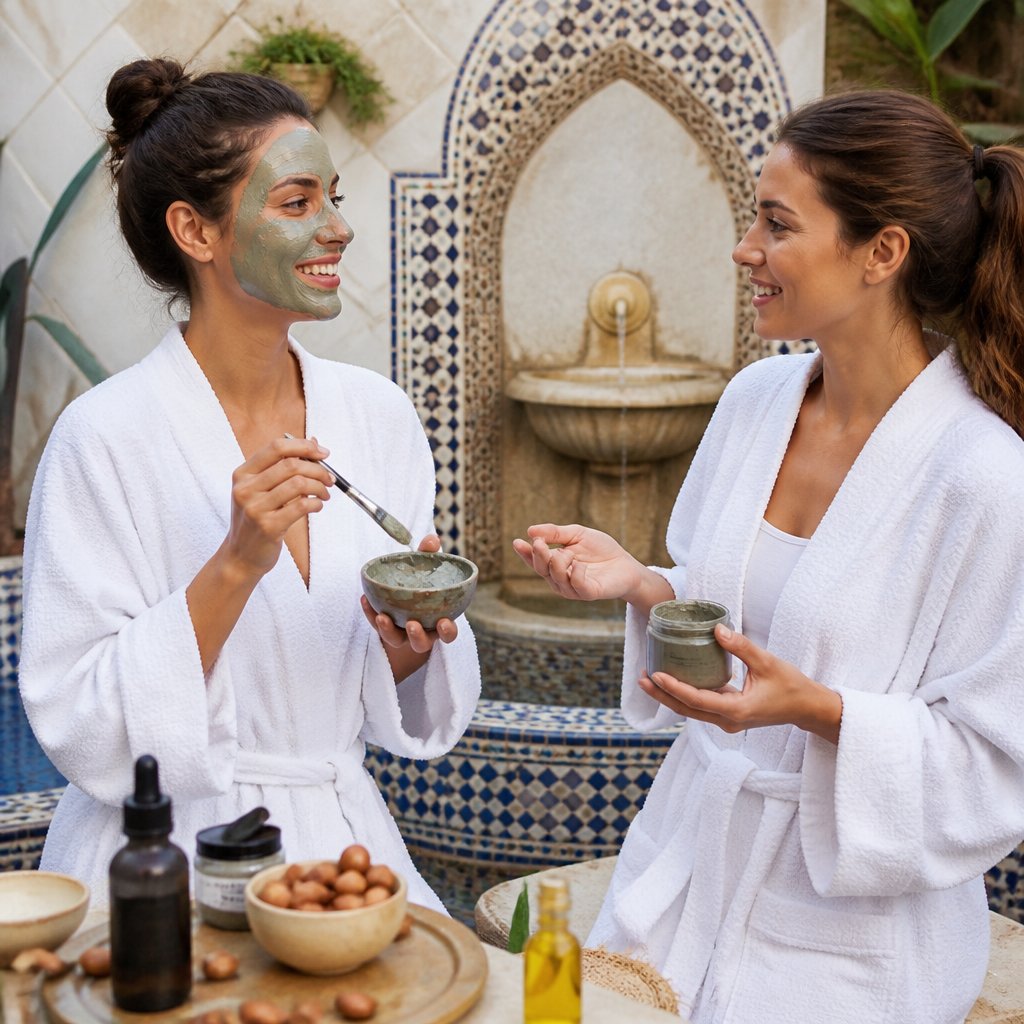
 how-to
Benefits of Organic Anti-Aging Masks Explained
Table of Contents
- What Organic Anti-Aging Masks Actually Do for Your Skin
- 7 Benefits of Organic Anti-Aging Masks, Backed by What We Know
- The Best Ingredients for Anti-Aging Face Masks
- Argan Oil Face Mask Benefits: Why This Moroccan Oil Belongs in Your Routine
- DIY Anti-Aging Face Mask: A Simple Recipe You Can Make at Home
- How Often to Use a Face Mask (and How to Fit It Into Your Routine)
- Safety First: Allergies, Irritation, and Sensitive Skin
- Frequently Asked Questions
Last Updated: October 15, 2026
What Organic Anti-Aging Masks Actually Do for Your Skin
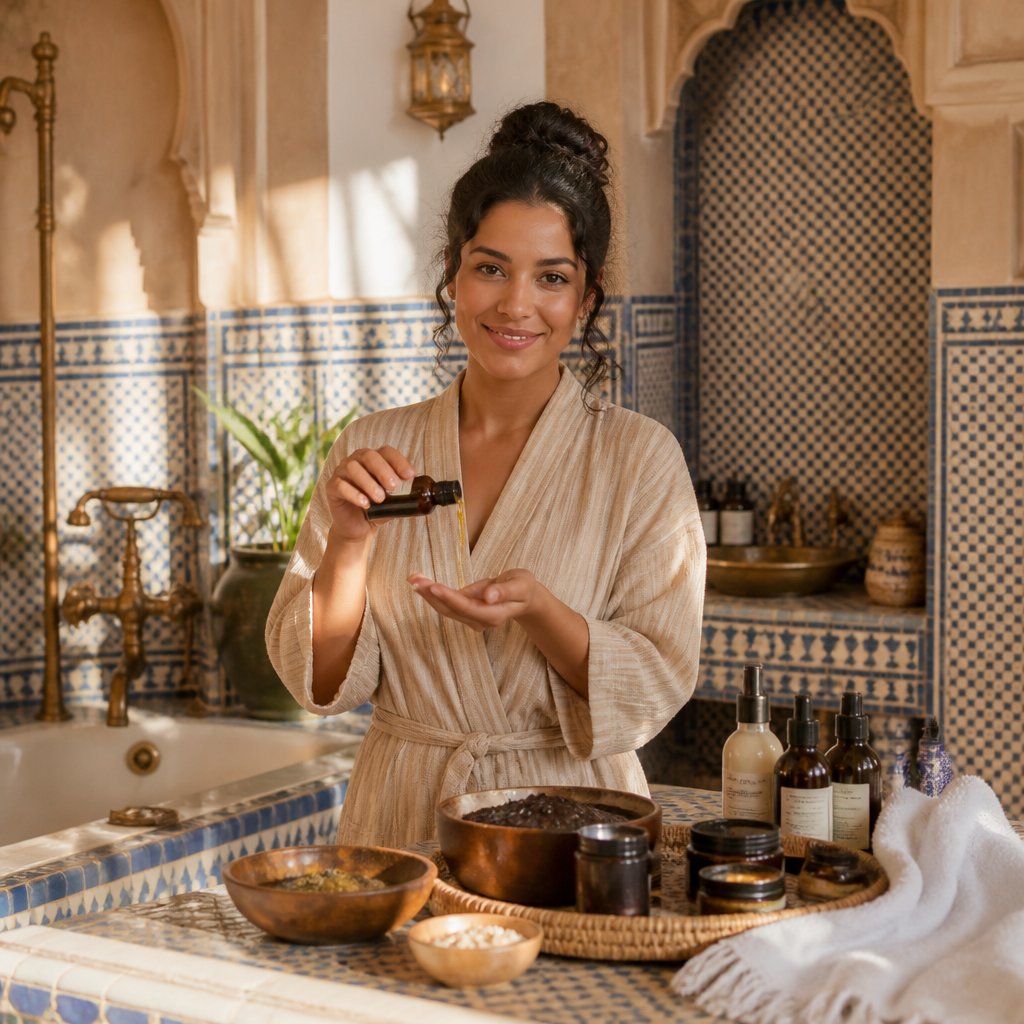
Organic anti-aging masks are concentrated skincare treatments made with plant-based ingredients that hydrate, cleanse, and nourish skin. At Renaissance de Beaute Argan Treatments, we built our whole line around this idea: traditional Moroccan ingredients, used the right way, can support aging skin.
Here's the honest part most guides skip. A mask is not a facelift. It won't erase deep wrinkles. What it can do is make skin look plumper, smoother, and brighter, and over time, support your skin's natural repair process.
Temporary Glow vs. Lasting Change: Setting Realistic Expectations
Most of what you see right after a mask is temporary. Your skin holds extra water, fine lines soften, and your face looks brighter. That effect fades within hours to a day.
Lasting change comes from repeat use. Regular masking supports the skin barrier and cell renewal over weeks. Think of it as a habit, not a one-time fix.
7 Benefits of Organic Anti-Aging Masks, Backed by What We Know
Here are the main benefits, based on how these ingredients work and what regular users report:
- Hydration that plumps dry, tired skin
- Moisture retention through a stronger skin barrier
- Deep cleansing of excess oil and dirt
- Gentle exfoliation that reveals fresher skin
- Softer fine lines from added moisture
- Better firmness and elasticity over time
- Antioxidant support against free radicals
Hydration, Moisture Retention, and a Stronger Skin Barrier
Hydration is the fastest benefit you'll notice. Ingredients like honey and argan oil pull water into the skin and help hold it there.
A healthy skin barrier keeps moisture in and irritants out. When it's damaged, skin looks dull and feels tight. Moisturizing masks help rebuild that barrier.
Deep Cleansing, Exfoliation, and Cell Renewal
Clay and Ghassoul masks pull out excess oil, dirt, and impurities from pores. This is deep cleansing without stripping.
Gentle exfoliation removes dead skin cells and supports cell renewal. You get smoother skin and a more even tone. Skip harsh scrubs on sensitive skin.
Fine Lines, Firmness, and a More Youthful Appearance
Well-hydrated skin looks plumper, so fine lines appear softer. This is the "plump skin" effect, and it's real but temporary.
Over time, nourishing ingredients and antioxidants support elasticity. Many users report feeling that their skin looks firmer and more youthful after several weeks of regular use.
The Best Ingredients for Anti-Aging Face Masks
The best ingredients for anti-aging face masks are the ones that hydrate, nourish, and protect skin without triggering irritation. Below is an ingredient-by-ingredient breakdown, including what each one actually does, what the evidence supports, and where it falls short.
Humectants: Pull Water Into the Skin
- Honey, A natural humectant that draws water from the air and the deeper layers of skin into the upper layers. Raw honey also contains trace enzymes and antioxidants. Evidence limitation: most of the glow you see is water retention, not structural change, and it fades within hours.
- Aloe vera, Rich in polysaccharides that hold water and calm redness. Best for sensitive or post-sun skin. Evidence limitation: soothing effects are well documented; anti-wrinkle claims are not.
- Glycerin (often listed as vegetable glycerin), A workhorse humectant found in most well-formulated masks. Cheap, effective, and rarely irritating.
Emollients and Oils: Seal Moisture In
- Argan oil, High in vitamin E and oleic and linoleic fatty acids. Lightweight, absorbs quickly, and helps reinforce the skin barrier. Good for most skin types, including early aging skin.
- Avocado oil, Heavier and richer than argan. Better for dry or mature skin, especially in winter. Can feel greasy on oily skin.
- Jojoba oil, Technically a wax ester that closely resembles human sebum. A good pick for combination skin that still wants nourishment.
Clays and Exfoliants: Clean and Renew
- Ghassoul (rhassoul) clay, A mineral-rich clay traditionally used for deep cleansing. It lifts excess oil and surface debris without the tight, stripped feeling of harsher clays. Best for oily and combination skin; dry skin should use it no more than once a week.
- Kaolin clay, Milder than bentonite. A reasonable choice for sensitive or normal skin.
- Oatmeal (colloidal), A gentle physical exfoliant and soothing agent. Excellent for sensitive or reactive skin.
Antioxidants: Defend Against Free Radicals
- Green tea, Contains EGCG and other polyphenols. Applied topically, it can calm redness and provide antioxidant support. Evidence limitation: antioxidant benefits are real in lab and short-term studies, but no mask will reverse existing deep wrinkles.
- Vitamin E (tocopherol), Often paired with vitamin C. Works as an antioxidant and helps stabilize oils in a formula.
- Pomegranate and grape seed extracts, Polyphenol-rich botanicals commonly used in anti-aging masks. Supportive, not transformative.
How to Read an Organic Label
"Organic" and "natural" are not the same thing, and neither is legally defined the way "certified organic" is. In the United States, the USDA National Organic Program sets the standard for agricultural ingredients, and products can carry the USDA Organic seal only when they meet specific thresholds. A product labeled "made with organic ingredients" is not the same as one labeled "100% organic." When comparing masks, look for:
- The USDA Organic seal or a named certifier
- The ingredient list ordered by concentration (the first five ingredients do most of the work)
- Fewer than roughly 15 ingredients if your skin is sensitive
Match Ingredients to Your Skin Type
- Dry or mature skin: argan oil, avocado, honey, glycerin
- Oily or acne-prone skin: ghassoul or kaolin clay, green tea, aloe
- Sensitive or reactive skin: colloidal oatmeal, aloe, glycerin, skip essential oils and strong acids
Argan Oil Face Mask Benefits: Why This Moroccan Oil Belongs in Your Routine
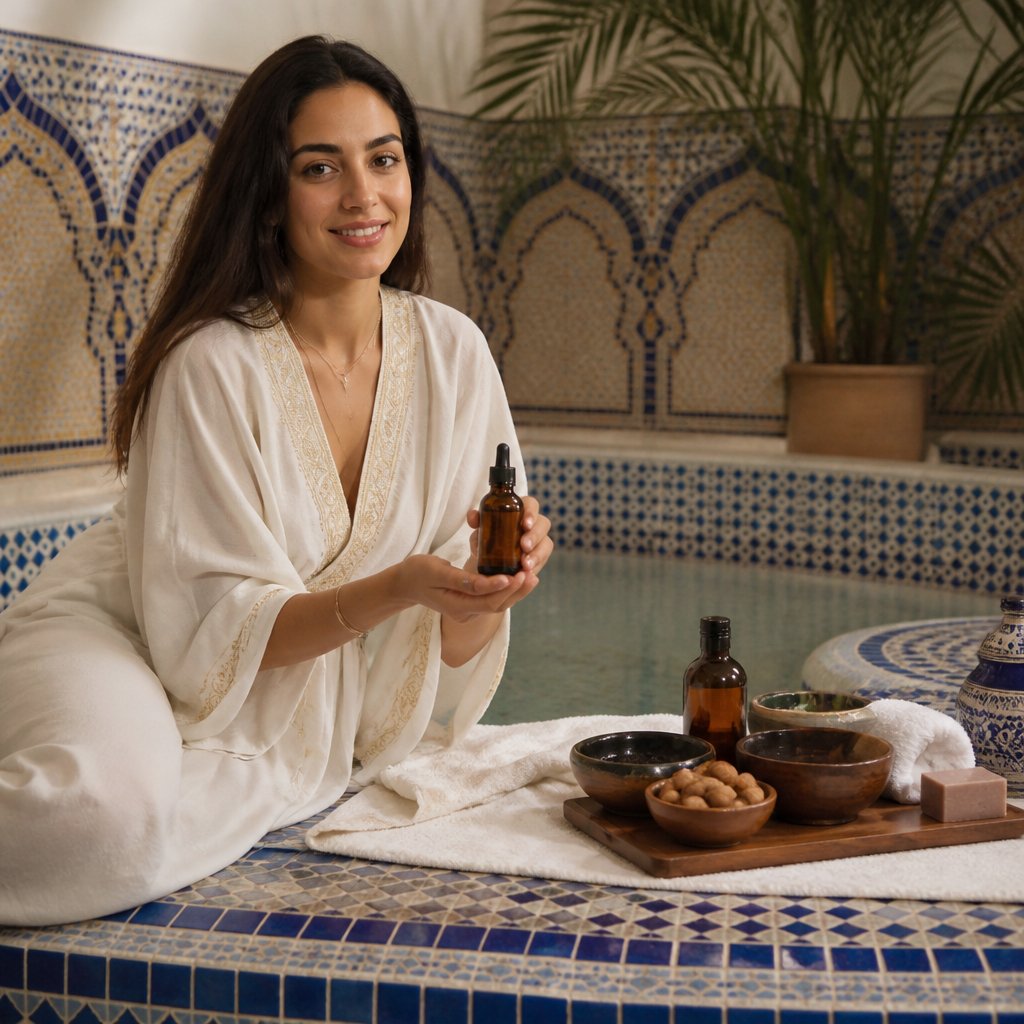
Argan oil face mask benefits come down to one thing: it's loaded with vitamin E and essential fatty acids. These nourish skin and help it hold moisture.
Argan oil is lightweight and absorbs fast. It won't leave a greasy film. That makes it a good fit for most skin types, including skin that's starting to show fine lines.
We source our argan oil from Morocco, a staple in traditional Moroccan beauty rituals.
DIY Anti-Aging Face Mask: A Simple Recipe You Can Make at Home
A DIY anti-aging face mask takes about five minutes and uses ingredients you likely already have. Below are two recipes, one hydrating, one cleansing, plus the storage, hygiene, and safety rules that most DIY guides skip.
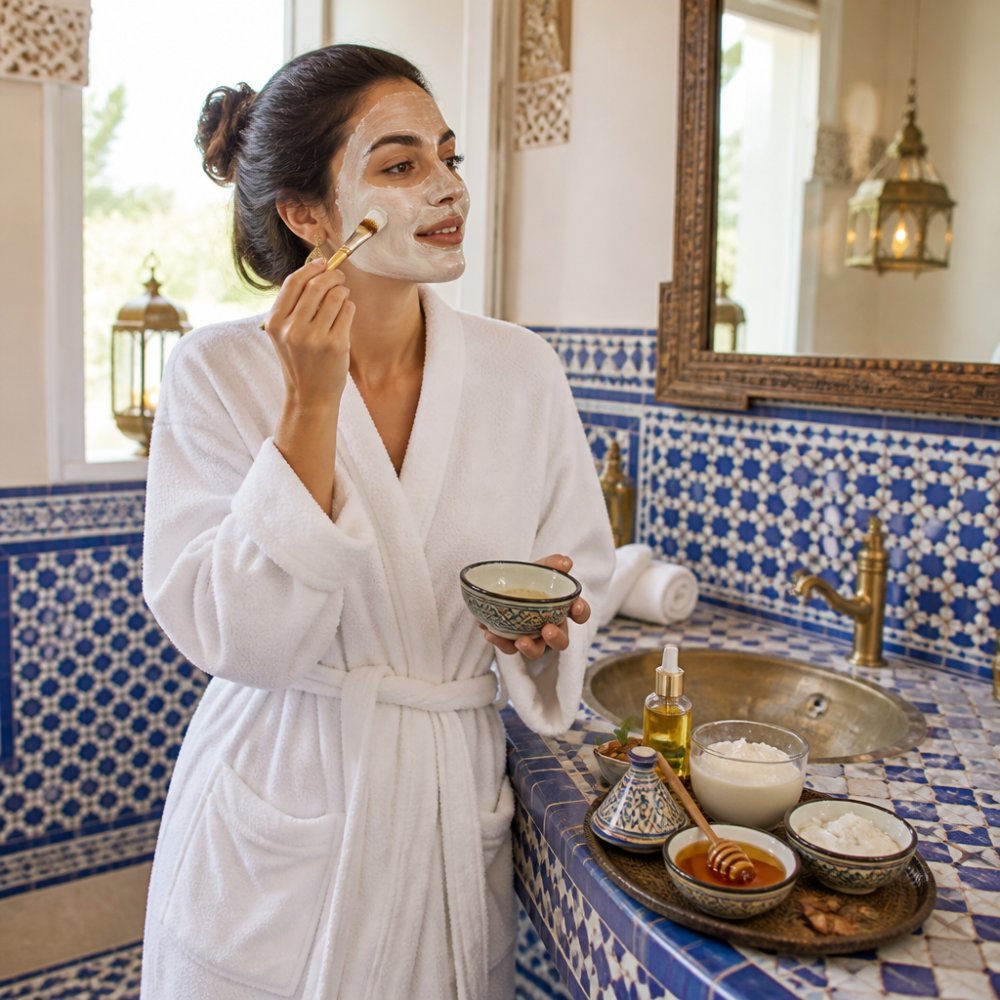
Recipe 1: Honey and Argan Glow Mask (Hydrating)
Best for dry, mature, or dull skin.
Ingredients:
- 1 tablespoon raw honey
- 1 teaspoon argan oil
- 1 tablespoon plain Greek yogurt
Why these ingredients: Honey and yogurt are humectants that pull water into the skin. Argan oil seals it in and delivers vitamin E. Avocado adds fatty acids for extra nourishment.
Steps:
- Mix all ingredients in a small, clean bowl until smooth.
- Wash your face with a gentle cleanser and pat dry.
- Apply an even layer with clean fingers or a silicone brush, avoiding the eyes, lips, and hairline.
- Leave on for 10 to 15 minutes. Do not let it dry completely, that pulls moisture back out.
- Rinse with lukewarm water and pat dry with a clean towel.
- Follow with your usual moisturizer to lock in hydration.
Recipe 2: Ghassoul and Green Tea Clay Mask (Cleansing)
Best for oily, combination, or congested skin.
Ingredients:
- 1 tablespoon ghassoul or kaolin clay
- 1 tablespoon brewed green tea, cooled
- 1 teaspoon raw honey
Why these ingredients: Clay lifts excess oil and surface debris. Green tea adds antioxidants and a bit of liquid to make a spreadable paste. Honey softens the formula so it doesn't over-dry.
Steps:
- Brew the green tea and let it cool to room temperature.
- Mix clay and tea in a non-metal bowl until you get a smooth paste. Add honey and argan oil last.
- Apply an even layer, avoiding the eyes and lips.
- Leave on for 8 to 10 minutes, remove before it cracks.
- Rinse with lukewarm water using gentle circular motions.
- Follow with a lightweight moisturizer.
Storage, Shelf Life, and Hygiene
- Make small batches. These recipes make one to two applications. Fresh is best.
- Refrigerate leftovers in a clean, covered container and use within 2 to 3 days. Discard anything that smells or looks off.
- Never double-dip. Use a clean spoon or spatula to scoop product out of the jar, fingers introduce bacteria.
Patch Test Before You Apply
Even natural ingredients can cause a reaction. Before using any new mask, DIY or store-bought, do a patch test:
- Apply a small amount to the inside of your forearm or behind your ear.
- Leave it on for 24 hours without washing it off.
- Check for redness, itching, burning, or bumps.
- If you react, do not use it on your face.
Food ingredients like honey, yogurt, avocado, and oatmeal can trigger allergies in people who react to them when eaten. Essential oils, even "natural" ones like lavender or citrus, are a common cause of contact dermatitis and should be avoided on sensitive skin.
How Often to Use a Face Mask (and How to Fit It Into Your Routine)
A good rule for how often to use a face mask: once or twice a week for most skin types. Dry or sensitive skin may do better with once a week.
Here's how a mask fits into a full routine:
| Step | What to Do | How Often |
|---|---|---|
| Cleanse | Remove dirt and oil | Daily |
| Exfoliate | Gentle scrub or clay | 1-2x per week |
| Mask | Hydrating or anti-aging | 1-2x per week |
| Moisturize | Seal in hydration | Daily |
| Protect | Sunscreen | Daily |
Masks work best as a boost, not a replacement for daily care. Cleansing, moisturizing, and sunscreen do the heavy lifting.
Safety First: Allergies, Irritation, and Sensitive Skin
Sensitive skin needs a careful approach. "Natural" does not mean "can't irritate you." Essential oils, fragrances, and even some plant extracts cause reactions.
Follow these steps:
- Patch test every new product on your inner arm for 24 hours
- Start with one new product at a time
- Skip masks on broken, sunburned, or irritated skin
If you're under a dermatologist's care, ask before adding new products. Masks are generally safe alongside professional treatments, but check first.
Aging skin needs more than one product to look its best, and finding the right fit takes some trial. At Renaissance de Beaute Argan Treatments, we offer pure organic argan oil, traditional Beldi Black Soap, and Ghassoul, all crafted for deep cleansing, nourishment, and anti-aging support.
Frequently Asked Questions
Are face masks good or bad for your skin?
For most people, organic anti-aging masks are beneficial when used correctly. They deliver concentrated ingredients that hydrate, nourish, and support cell renewal. The key is frequency and fit: overuse can strip the skin barrier, and harsh formulas can trigger irritation. Stick to one to three times per week, patch test new products, and choose masks matched to your skin type. If you have a diagnosed condition or use prescription treatments, check with your dermatologist before adding masks to your routine.
Can organic face masks reduce the appearance of wrinkles?
They can soften how wrinkles look, mainly by hydrating and plumping the skin, but they do not erase them permanently. Hydrated skin reflects light better, which makes fine lines less visible for a day or so. Ingredients like antioxidants and argan oil support the skin over time, yet results build gradually with consistent use. Think of organic anti-aging masks as one supportive step in a full routine, not a replacement for proven treatments such as retinoids or professional care.
How often should you use an anti-aging face mask?
One to three times per week suits most skin types. Dry or mature skin often does well with two to three hydrating sessions weekly, while oily or acne-prone skin may prefer one to two clay-based masks. Sensitive skin should start with once a week and adjust based on how it responds. Always follow the product's directions, and avoid layering a mask on the same day you use strong exfoliants or prescription actives.
Are DIY anti-aging face masks safe for sensitive skin?
They can be, but natural does not automatically mean gentle. Honey, yogurt, oatmeal, and argan oil are generally well tolerated, while citrus juices and essential oils frequently cause reactions. Patch test any new mixture on your inner forearm for 24 hours before applying it to your face. Keep recipes simple, skip strong acids, and stop use if you notice redness, burning, or swelling. When in doubt, a professionally formulated organic mask offers more predictable results.