 listicle
Buy Authentic Moroccan Ghassoul Clay: 2026 Buying Guide
Table of Contents
- Why Authentic Moroccan Ghassoul Clay Matters
- What to Look for When You Buy Authentic Moroccan Ghassoul Clay
- How to Use Ghassoul Clay for Face Detox
- Benefits of Ghassoul Clay for Hair and Scalp Health
- Rhassoul Clay vs Bentonite Clay: Key Differences
- Top Sources for Buying Ghassoul Clay in 2026
- Common Mistakes to Avoid with Ghassoul Clay
- Final Verdict: Choosing Your Ghassoul Clay
- Frequently Asked Questions
Last Updated: September 6, 2026
Why Authentic Moroccan Ghassoul Clay Matters
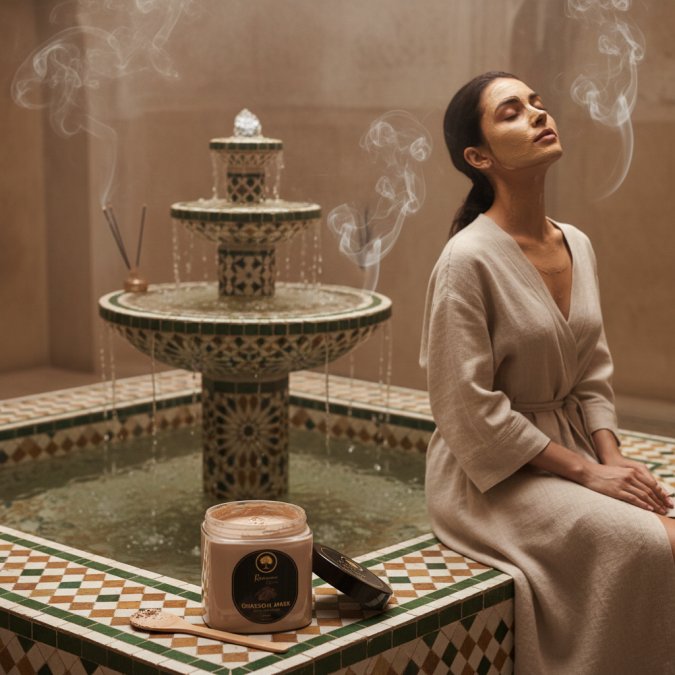
Authentic Moroccan ghassoul clay is a mineral-rich, detoxifying clay harvested exclusively from the Atlas Mountains of Morocco, where it has powered traditional Hammam beauty rituals for centuries. The difference between genuine ghassoul and a generic clay powder is stark: true ghassoul contains a unique blend of magnesium, silica, and trace minerals that deliver deep cleansing without stripping the skin's natural moisture barrier. Many commercial products labeled "rhassoul" are actually blended with cheaper bentonite or kaolin, which changes how the clay behaves on your skin. At Renaissance de Beaute Argan Treatments, we source pure, unadulterated ghassoul so you experience the authentic softening properties this clay is known for.
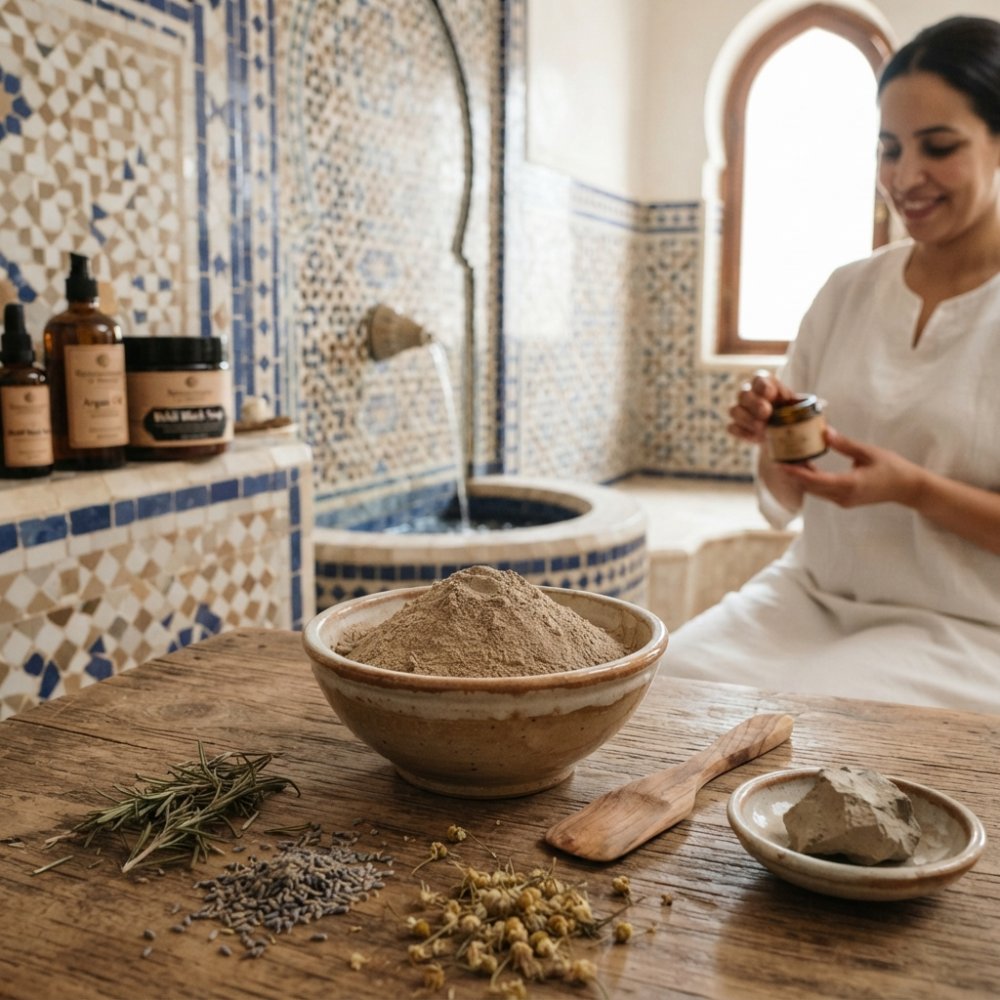
The stakes are higher than just getting a less effective face mask. Adulterated clay can contain fillers that irritate sensitive skin or reduce the clay's natural ability to absorb sebum and impurities. When you buy authentic Moroccan ghassoul clay, you are investing in a product that has been used for generations for skin radiance, pore tightening, and scalp health. That tradition matters, and the mineral composition of genuine ghassoul is what makes it effective for detoxifying and purifying.
What to Look for When You Buy Authentic Moroccan Ghassoul Clay
Knowing what to check before you purchase saves you from wasting money on a product that will not perform. The most reliable indicators of authenticity are origin, mineral composition, and physical characteristics of the clay powder itself.
Origin and Mineral Composition
Genuine ghassoul comes from a specific volcanic deposit in the Atlas Mountains. Look for sourcing information that names this region. The clay should be 100% natural with no added fragrances, preservatives, or synthetic binders. Authentic ghassoul is rich in silica, magnesium, potassium, and calcium, which contribute to its deep cleansing and exfoliation benefits. When mixed with water, the clay should expand and form a smooth, creamy paste. If it feels gritty or fails to bind properly, you are likely holding a lower-grade product.
Red Flags and Common Adulterants
Be wary of products that list "bentonite" as a primary ingredient while claiming to be pure ghassoul. While both are clays, they have different mineral profiles and behave differently on the skin. Another common issue is the addition of artificial colors to mimic the beige-brown hue of authentic ghassoul. Pure clay has a distinct earthy smell, not a perfumed scent. If a seller cannot verify the sourcing region or provide mineral analysis, treat that as a red flag. Ethical sourcing is also worth checking; some suppliers harvest without regard for environmental impact.
How to Use Ghassoul Clay for Face Detox
Using ghassoul clay for a face detox is straightforward, but the technique determines your results. Start with one part clay powder to two parts liquid, ideally rose water or plain water. Mix until you achieve a smooth, paste-like consistency free of lumps. Apply an even layer to clean, damp skin, avoiding the delicate eye area. Leave the mask on for 10 to 15 minutes, but do not let it dry completely. Rinse with warm water using circular motions, which provides gentle exfoliation as you remove the mask.
For best results, use this treatment once or twice per week. Those with acne-prone skin or excess oil can use it more frequently, while individuals with dry or sensitive skin should limit use to once weekly. The clay works by drawing out impurities, absorbing excess sebum, and promoting circulation, which contributes to a brighter, more even complexion. A common mistake is leaving the mask on until it cracks; this over-dries the skin and can cause irritation. Keep the mask slightly damp and rinse before it fully hardens. If you are unsure which approach suits your skin type, Treatment Consultations can help you build a personalized routine.
Benefits of Ghassoul Clay for Hair and Scalp Health
The benefits of ghassoul clay for hair are equally impressive, making it a versatile addition to your beauty routine. The clay gently removes buildup from styling products, excess oil, and hard water minerals that leave hair dull and lifeless. For the scalp, ghassoul helps regulate sebum production, which can relieve itchiness and flakiness associated with dryness or mild dandruff. Its mineral content, particularly silica and magnesium, supports scalp health and can contribute to stronger, more resilient hair over time.
To use ghassoul as a hair mask, mix the clay powder with water or a botanical infusion until you reach a yogurt-like consistency. Apply the mixture to your scalp and work it through to the ends of your hair. Leave it on for 5 to 10 minutes before rinsing thoroughly. Many people find that ghassoul provides a deeper clean than traditional shampoo, leaving hair soft and voluminous without the need for harsh sulfates. For those with chemically treated or color-treated hair, this gentle cleansing method helps preserve color while removing impurities.
Rhassoul Clay vs Bentonite Clay: Key Differences
The rhassoul clay vs bentonite clay comparison comes down to mineral content and how each clay interacts with your skin. Ghassoul contains a higher proportion of silica and magnesium, which gives it a gentler, more absorbent quality that does not over-dry the skin. Bentonite, by contrast, is primarily composed of montmorillonite and has a stronger drawing action that can be too aggressive for sensitive or dry skin types. When you buy authentic Moroccan ghassoul clay, you get a product suited for regular use.
Clay Type | Primary Minerals | Best For | Skin Feel |
|---|---|---|---|
Ghassoul | Silica, magnesium, potassium | Normal to dry skin, hair | Smooth, creamy, non-tightening |
Bentonite | Montmorillonite | Oily, acne-prone skin | Firm, tightening sensation |
Kaolin | Aluminum silicate | Very sensitive skin | Light, gentle, minimal draw |
Ghassoul also offers benefits in hair applications because it does not leave a heavy residue. The clay's ability to absorb oils while retaining moisture makes it a choice for those seeking a balanced cleanse. While bentonite is effective for deep pore cleansing in oily skin, it lacks some of the trace minerals and softening properties that make ghassoul a spa-quality treatment.
Top Sources for Buying Ghassoul Clay in 2026
When you decide to buy authentic Moroccan ghassoul clay, the source matters as much as the price. Look for retailers that provide transparent origin information and prioritize purity. For those seeking a curated, spa-quality experience, Renaissance de Beaute Argan Treatments offers ghassoul alongside complementary Hammam essentials like Beldi Black Soap, allowing you to recreate the full traditional ritual at home. Our products are selected for their authentic sourcing and pure, organic ingredients. To simplify the process, our Renaissance Bath & Body Combos pair ghassoul with other ritual staples for a complete at-home spa experience.
Beyond specialty retailers, several other options exist.
Source | Best For | Format | Considerations |
|---|---|---|---|
Renaissance de Beaute | Spa-quality home rituals | Curated collection | Authentic, Hammam-inspired |
Skalli Essentials | Facial detox masks | Powder | Effective, natural minerals |
Nature and Traditions | Eco-conscious buyers | Powder | Sustainable harvesting |
HalalEveryDay | DIY bulk projects | 1 lb container | Utilitarian packaging |
Common Mistakes to Avoid with Ghassoul Clay
Even with a quality product, technique errors can undermine your results. The most frequent mistake is using metal bowls and utensils when mixing the clay. Metal ions can interact with the clay's mineral structure and reduce its effectiveness. Use glass, ceramic, or wooden tools instead. Another common error is adding too much water, which produces a runny mask that drips and fails to adhere properly. Aim for a thick, spreadable paste.
Skipping the patch test is another pitfall, especially for those with sensitive skin. Apply a small amount of mixed clay to your inner forearm and wait 15 minutes to check for any reaction before applying it to your face. Many people also expect immediate results, but ghassoul works cumulatively. Consistent weekly use over several weeks delivers the most noticeable improvements in skin texture and radiance. Finally, do not store your clay in a damp bathroom. Moisture causes the powder to clump and can promote bacterial growth. Keep it in an airtight container in a cool, dry place.
Final Verdict: Choosing Your Ghassoul Clay
Authentic Moroccan ghassoul clay offers a rare combination of deep cleansing, mineral nourishment, and versatility that few natural ingredients can match. Whether you are addressing acne-prone skin, seeking relief for eczema, or simply want to elevate your home self-care routine, this traditional clay offers benefits rooted in centuries of use. The key is sourcing a pure product from a trustworthy retailer, then applying it with the correct technique to suit your skin type.
For those ready to experience the full benefits of ghassoul, we invite you to explore the Renaissance de Beaute collection. Our curated approach pairs authentic ghassoul with complementary products designed for skin, scalp, and hair revitalization, bringing the luxury of a Moroccan Hammam into your home. Contact us for personalized spa packages and discover how traditional beauty rituals can enhance your natural radiance.
Frequently Asked Questions
How can you tell if Moroccan ghassoul clay is authentic?
Authentic Moroccan ghassoul clay is mined exclusively from the Atlas Mountains region. It should have a fine, silky texture and a light beige to brown color. When mixed with water, it should form a smooth paste without gritty particles. Authentic clay carries a subtle earthy mineral scent, not a perfumed one. Reputable sellers provide details about the mining location and mineral analysis. Check for 100% pure clay labeling with no added fillers, fragrances, or preservatives. If the price seems unusually low, question the source, as authentic harvesting and importation costs are higher.
What is the difference between bentonite clay and rhassoul clay?
Rhassoul clay comes from Morocco's Atlas Mountains and is rich in silica, magnesium, and potassium. It absorbs excess oil and impurities while retaining moisture, making it suitable for dry or sensitive skin. Bentonite clay, typically sourced from the United States, is primarily composed of montmorillonite and has a stronger negative charge, making it more aggressive for deep oil absorption and detoxification. Bentonite is often preferred for oily or acne-prone skin, while rhassoul is gentler and better for balancing hydration. Both clays offer skin benefits, but their mineral profiles and intensity differ.
Can I use ghassoul clay on my hair, and how often?
Yes, ghassoul clay works as a deep-cleansing hair mask. Its mineral content, including magnesium and silica, helps remove product buildup, absorb excess sebum, and add volume. To use, mix the clay powder with water or a botanical infusion until smooth, apply from roots to ends, leave on for 5 to 10 minutes, then rinse thoroughly. For oily scalps, use it once a week. For dry or chemically treated hair, use it every two to three weeks and follow with a hydrating conditioner or argan oil to maintain softness.
Are there any side effects to using natural ghassoul clay?
Ghassoul clay is generally safe for most skin and hair types, but a few precautions are wise. Leaving the mask on too long, usually over 15 minutes, can over-dry the skin. People with very sensitive skin should patch test first. If you have a compromised skin barrier or conditions like rosacea, start with a shorter application time. Mixing the clay with an acidic liquid like apple cider vinegar can increase irritation for some. Always follow with moisturizer or a hydrating toner to maintain pH balance and prevent tightness.
Where can I buy authentic Moroccan beauty products?
Authentic Moroccan beauty products are available through specialty retailers that focus on traditional sourcing. Look for sellers who provide transparent origin information, such as direct partnerships with cooperatives in the Atlas Mountains. Renaissance de Beaute Argan Treatments offers a curated collection of traditional Hammam-inspired essentials, including pure Ghassoul clay, argan oil, and Beldi black soap. These products are selected for their purity and spa-quality standard. Contact the retailer directly if you have questions about sourcing or need guidance on building a complete home care ritual.