 listicle
Natural Anti-Aging Skincare Routine 2026
Table of Contents
- What Makes a Natural Anti-Aging Skincare Routine Effective
- Benefits of Organic Argan Oil for Face Health and Aging Skin
- Key Natural Ingredients That Address Fine Lines and Skin Elasticity
- How to Layer Natural Skincare Products for Maximum Results
- Hammam-Inspired Skincare Routine Steps for Deep Cleansing
- Building Your Complete Natural Anti-Aging Routine by Age
- Sunscreen and Lifestyle Factors Beyond Topicals
- Frequently Asked Questions
Last Updated: September 20, 2026
What Makes a Natural Anti-Aging Skincare Routine Effective
A natural anti-aging skincare routine works by combining plant-derived ingredients that address the root causes of aging: collagen loss, oxidative stress, and compromised skin barrier integrity. The most effective routines don't rely on a single product or ingredient. Instead, they layer complementary actives that work synergistically to support cell turnover, enhance hydration, and protect against photoaging.
The difference between a routine that delivers results and one that disappoints often comes down to ingredient selection and sequencing. Many people assume that more products equal better outcomes, but the opposite is often true. A focused routine with the right ingredients, applied in the correct order, outperforms a cluttered cabinet of mediocre products.
What separates a truly effective natural anti-aging skincare routine from marketing hype is consistency and understanding how your skin changes with age. Skin at 35 has different needs than skin at 55. A routine that works for prevention won't be sufficient for intensive treatment. This guide covers the science behind natural anti-aging and shows you how to build a routine tailored to your age and skin condition.
Benefits of Organic Argan Oil for Face Health and Aging Skin
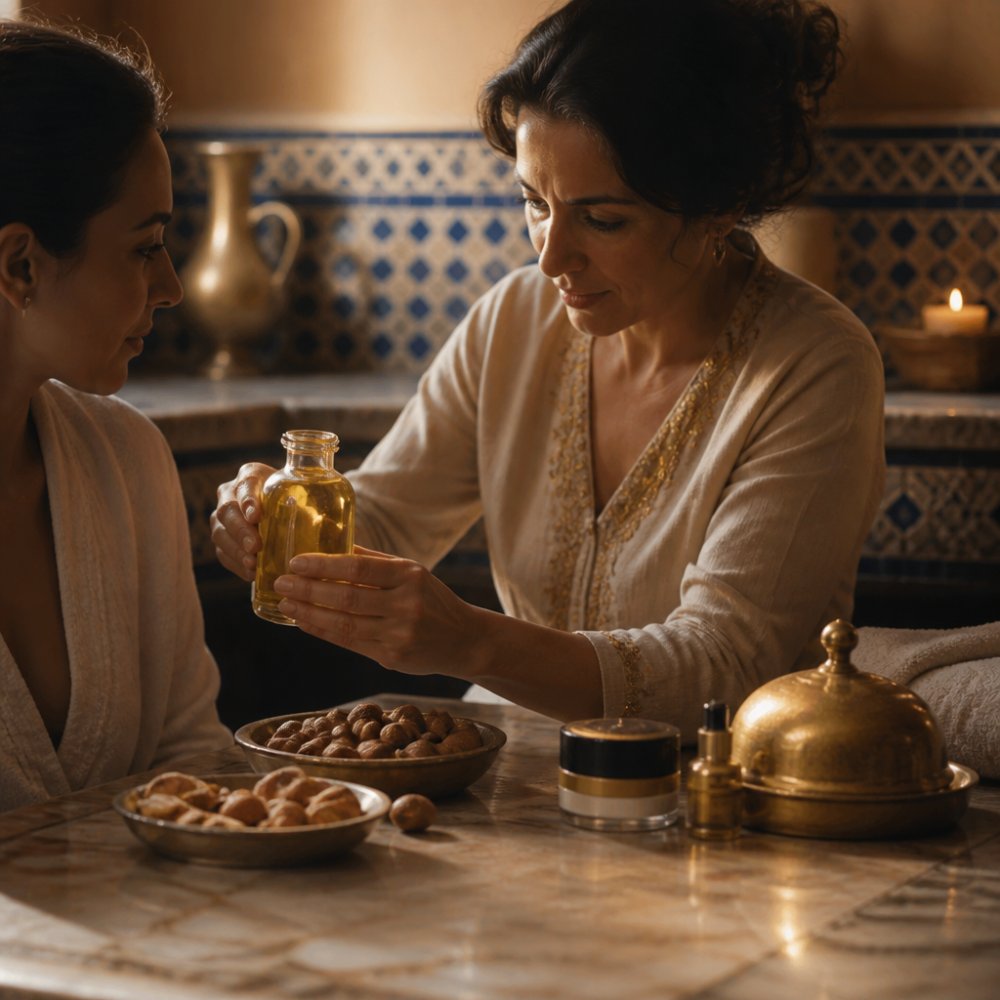
Organic argan oil is one of the most versatile ingredients in a natural anti-aging skincare routine because it addresses multiple aging concerns simultaneously. Rich in vitamin E, linoleic acid, and polyphenols, argan oil supports skin barrier integrity while delivering potent antioxidant protection against environmental damage and oxidative stress.
The oil penetrates deeply without leaving a greasy residue on most skin types, making it suitable for layering under serums or moisturizers. For mature skin, argan oil's ability to enhance skin elasticity and reduce the appearance of fine lines makes it a cornerstone ingredient. Unlike synthetic alternatives, argan oil works with your skin's natural lipid structure rather than against it.
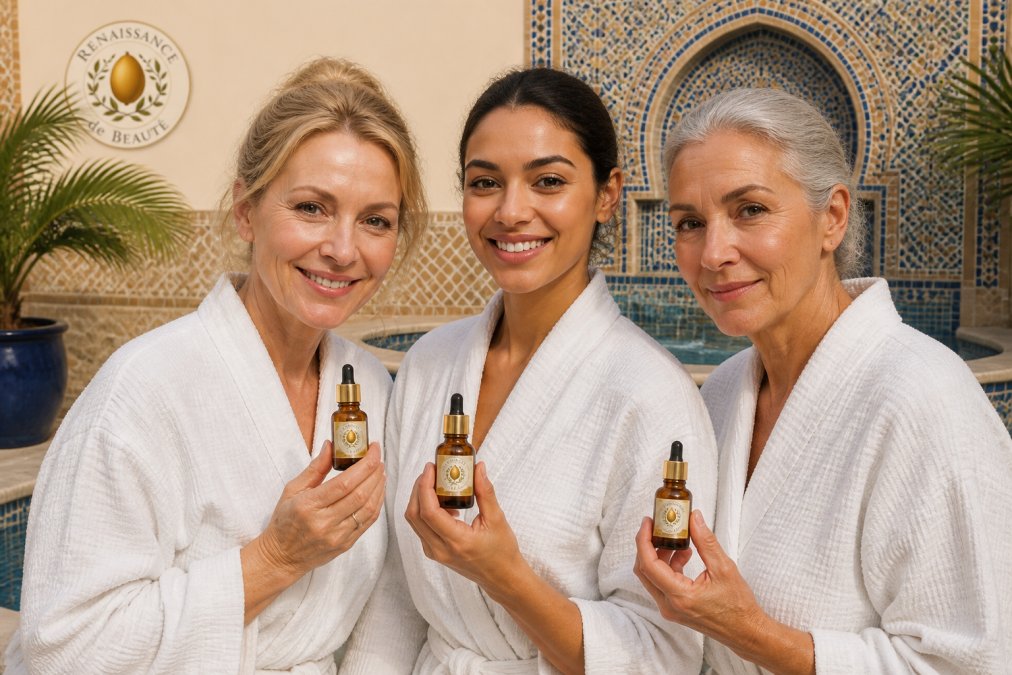
Renaissance de Beaute Argan Treatments sources pure Moroccan argan oil, cold-pressed to preserve the full spectrum of active compounds. The brand's commitment to authenticity means you're getting the botanical benefits without fillers or dilution. For anyone serious about a natural anti-aging skincare routine, argan oil should be a non-negotiable foundational product.
Key Natural Ingredients That Address Fine Lines and Skin Elasticity
Retinol and Bakuchiol for Cell Turnover
Retinol accelerates cell turnover by binding to retinoid receptors in the skin, triggering faster renewal cycles and collagen remodeling. This mechanism makes retinol one of the most clinically proven ingredients for reducing fine lines and improving skin texture. However, retinol can be irritating, especially for sensitive or mature skin just beginning a natural anti-aging skincare routine.
Bakuchiol offers a plant-derived alternative that delivers similar benefits without the irritation. Derived from the babchi plant, bakuchiol stimulates cell turnover and supports collagen production through a different molecular pathway. For those with reactive skin or those introducing actives for the first time, bakuchiol provides a gentler entry point while still addressing photoaging and loss of elasticity.
The key difference: retinol works faster but requires a careful introduction protocol. Bakuchiol works slightly more gradually, making it ideal for sensitive skin types.
Contact Us for Personalized Spa Packages →
Vitamin C and Peptides for Collagen Production
Vitamin C (ascorbic acid) is a potent antioxidant that protects against oxidative stress while simultaneously stimulating collagen synthesis. In a natural anti-aging skincare routine, vitamin C serums applied in the morning provide dual benefits: they neutralize free radicals from UV exposure and environmental pollution, and they support the skin's natural repair mechanisms.
Peptides work by signaling skin cells to produce more collagen and elastin. These short chains of amino acids are recognized by the skin as "damage signals," triggering a repair response. When combined with vitamin C, peptides enhance the collagen-building effect, making this pairing particularly effective for addressing loss of skin elasticity and firmness in mature skin.
For best results, apply vitamin C serum to clean, dry skin before heavier products. Peptide serums or moisturizers can follow. This sequencing ensures the vitamin C penetrates fully while the peptides work on deeper structural support.
Hyaluronic Acid and Plant-Derived Antioxidants
Hyaluronic acid is a humectant that draws moisture from the environment into the skin, plumping fine lines from within. A single molecule of hyaluronic acid can hold up to 1,000 times its weight in water, making it invaluable for hydration-based anti-aging. As skin ages, natural hyaluronic acid production declines, which is why topical application becomes increasingly important in a natural anti-aging skincare routine.
Plant-derived antioxidants like green tea extract, resveratrol, and ferulic acid work synergistically with hyaluronic acid to protect against photoaging. These compounds neutralize free radicals before they can damage collagen and elastin. Together, hyaluronic acid and botanical antioxidants create a protective, hydrating foundation that allows other active ingredients to work more effectively.
How to Layer Natural Skincare Products for Maximum Results
Cleanser to Serum Sequencing
The order in which you apply products determines how effectively they penetrate and work. Start with a gentle, non-comedogenic cleanser that removes makeup, sunscreen, and environmental debris without stripping the skin barrier. Harsh cleansers compromise the very barrier you're trying to support with your natural anti-aging skincare routine.
After cleansing, apply water-based serums first (vitamin C, peptides), followed by oil-based serums or treatments (argan oil, bakuchiol). This sequence ensures lighter formulations penetrate before heavier ones seal them in. Moisturizer comes last, locking everything in place.
Morning routine: cleanser → vitamin C serum → lightweight moisturizer → SPF 30+ Evening routine: cleanser → retinol or bakuchiol → argan oil → heavier moisturizer
Avoiding Ingredient Conflicts
Not all actives play well together. Mixing retinol with vitamin C in the same step can reduce the effectiveness of both. Retinol and bakuchiol shouldn't be used on the same night if you're new to actives, as the combined cell-turnover stimulation can trigger excessive dryness and irritation.
Hyaluronic acid works with everything, making it a safe addition to any routine. Peptides and antioxidants are also broadly compatible.
Contact Us for Personalized Spa Packages →
Hammam-Inspired Skincare Routine Steps for Deep Cleansing
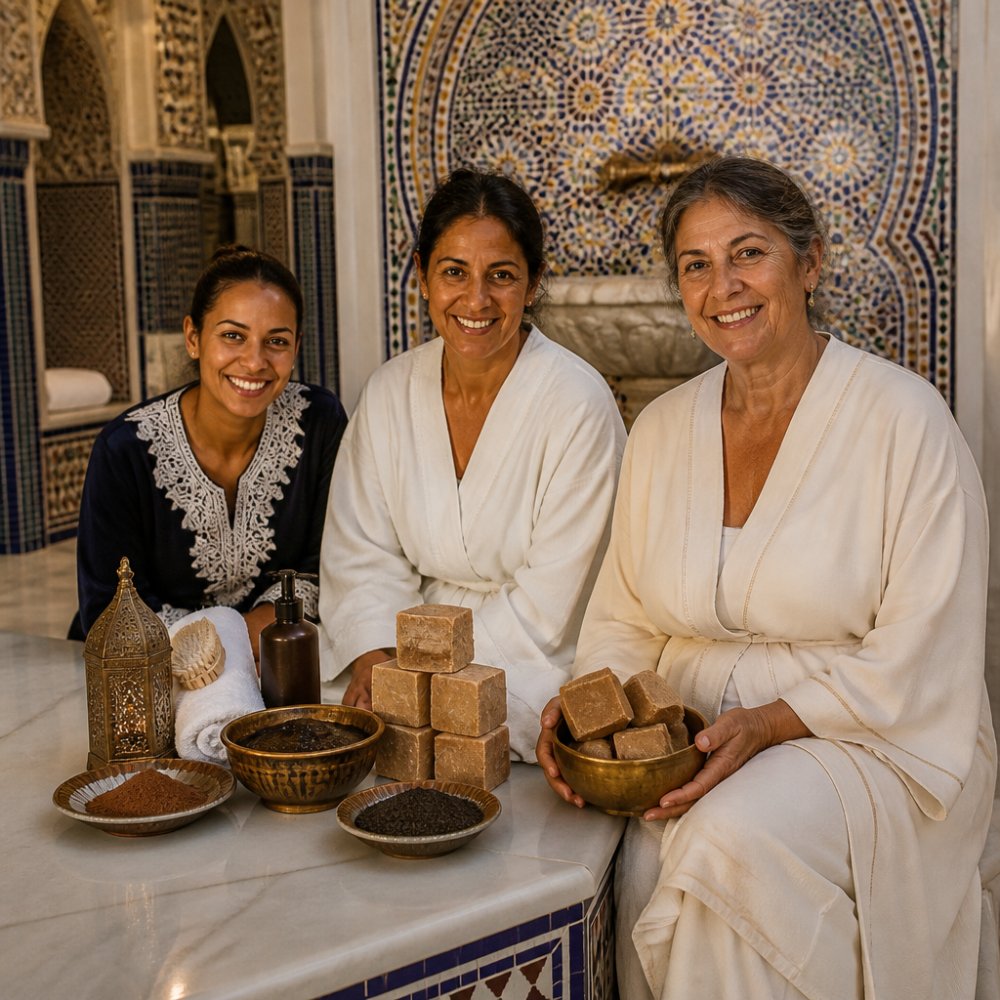
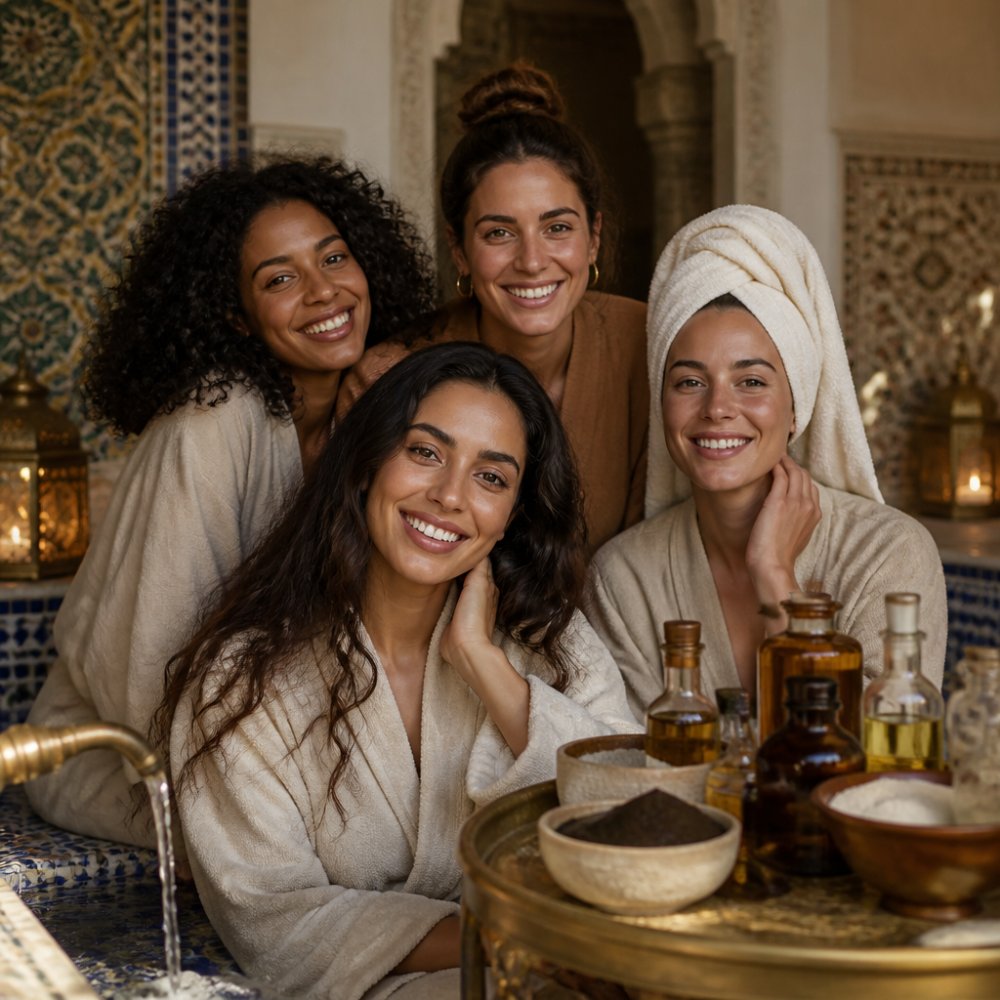
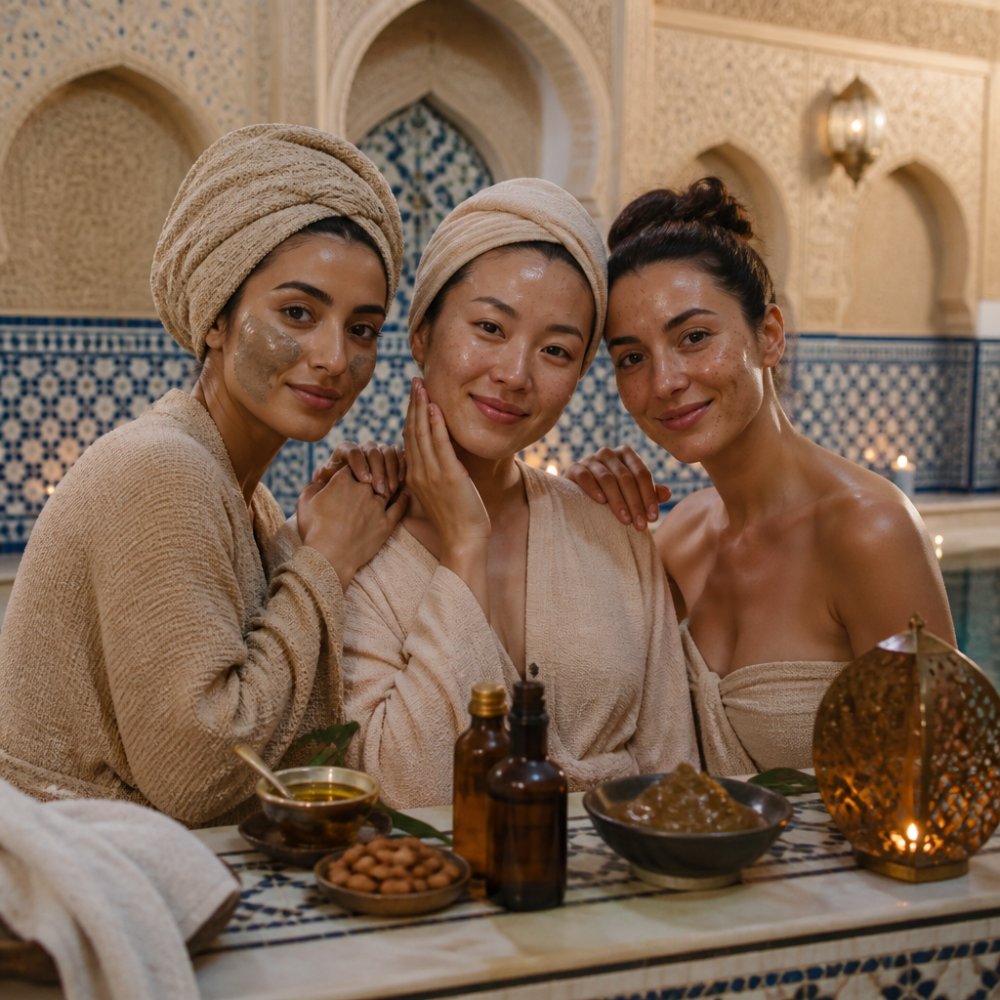
A Hammam-inspired approach to skincare emphasizes deep cleansing and detoxification before applying active treatments. This traditional ritual prepares the skin to receive and absorb beneficial ingredients more effectively. The process begins with warmth to open pores, followed by gentle exfoliation and purification.
Building Your Complete Natural Anti-Aging Routine by Age
Ages 30-40: Prevention and Early Intervention
In your 30s, the goal is prevention and early intervention before significant collagen loss occurs. Fine lines may just be beginning to appear, and skin is still relatively resilient. This is the ideal time to establish a consistent routine that builds healthy skin habits.
Ages 40-50: Intensive Treatment and Barrier Support
By 40, visible fine lines are present, and skin may show signs of uneven texture or loss of elasticity. This is when a natural anti-aging skincare routine needs to shift toward more intensive treatment while maintaining barrier support. Skin becomes drier and more reactive, making nourishing ingredients essential.
Ages 50+: Comprehensive Anti-Aging and Recovery
Skin at 50+ shows significant collagen loss, deeper wrinkles, and often compromised barrier function. A comprehensive natural anti-aging skincare routine must address all these concerns simultaneously while being gentle enough not to trigger sensitivity.
Sunscreen and Lifestyle Factors Beyond Topicals
Sunscreen is the single most important anti-aging product you can use, yet many people overlook it or apply insufficient amounts. SPF 30+ should be applied daily, year-round, even on cloudy days. UV exposure causes photoaging, the breakdown of collagen and elastin that leads to wrinkles, age spots, and leathery texture. A natural anti-aging skincare routine without sun protection is like building a house on sand.
Frequently Asked Questions
What are the most effective natural ingredients for an anti-aging skincare routine?
Retinol and bakuchiol drive cell turnover to reduce fine lines and photoaging damage. Vitamin C and peptides stimulate collagen production for skin elasticity. Hyaluronic acid provides deep hydration to plump the skin, while plant-derived antioxidants protect against oxidative stress. Organic argan oil nourishes the skin barrier and delivers essential fatty acids. Combining these ingredients in the right sequence, starting with a gentle cleanser, applying serums, and finishing with a moisturizer and SPF 30+, creates a comprehensive routine that addresses multiple aging concerns naturally.
How do I build a natural skincare routine for aging skin without causing irritation?
Begin with a cleanser to remove impurities without stripping the skin barrier. Introduce active ingredients one at a time, waiting 2-3 weeks between additions to monitor tolerance. Start with lower concentrations of retinol or bakuchiol and patch-test new products on a small area first. Layer products from thinnest to thickest consistency: serums, then treatments, then moisturizer. Always apply SPF 30+ during the day. If you have sensitive skin or a history of reactions, consider consulting a professional before starting new treatments, especially if you're using prescription skincare alongside natural products.
What is the best way to incorporate argan oil into an anti-aging routine?
Organic argan oil works best as the final step in your evening routine to seal in hydration and support skin barrier integrity. Apply 3-4 drops to damp skin after your moisturizer, gently pressing it in rather than rubbing. For daytime, use argan oil sparingly in your moisturizer or skip it if your routine already includes hydrating serums, as layering too much oil can feel heavy. Argan oil's antioxidants and fatty acids help reduce the appearance of fine lines and improve skin elasticity, making it particularly effective for mature or dry skin types. Ensure you're using pure, cold-pressed argan oil from a trusted source for maximum anti-aging benefits.
Are organic skincare products actually better for anti-aging than synthetic alternatives?
Organic products offer genuine advantages when formulated correctly: plant-derived ingredients often contain multiple beneficial compounds, such as antioxidants and polyphenols that work synergistically. However, the term 'organic' alone doesn't guarantee efficacy, what matters is the concentration and stability of active ingredients. Many synthetic ingredients like encapsulated retinol and stabilized vitamin C deliver measurable results in cell turnover and collagen production. The best approach combines the strengths of both: natural, plant-based antioxidants and hydrators paired with clinically validated actives like retinol or peptides.