 listicle
Buy Authentic Moroccan Hammam Soap Sets: 2026 Review
Table of Contents
- What Makes a Moroccan Hammam Soap Set Authentic?
- Top Moroccan Hammam Soap Sets Reviewed for 2026
- Natural Ways to Detoxify Skin with Moroccan Black Soap
- How to Use a Kessa Glove for Exfoliation: Step-by-Step
- Safety, Frequency, and Post-Hammam Skincare
- How to Verify Ingredient Sourcing and Authenticity
- Frequently Asked Questions
Last Updated: September 27, 2026
What Makes a Moroccan Hammam Soap Set Authentic?
- Beldi black soap made from olive oil and potash, not a gel cleanser dyed black
- A kessa glove with a rough, woven texture, not a soft synthetic loofah
- Rhassoul (ghassoul) clay mined from the Atlas Mountains region, sold as a dry powder or block
- Ingredient labels that list olive oil first, not water or surfactants
U.S. Food and Drug Administration cosmetics labeling guidance confirms that ingredients must be listed in descending order of weight, which makes the label your fastest authenticity test.
Key Components of a Traditional Hammam Kit
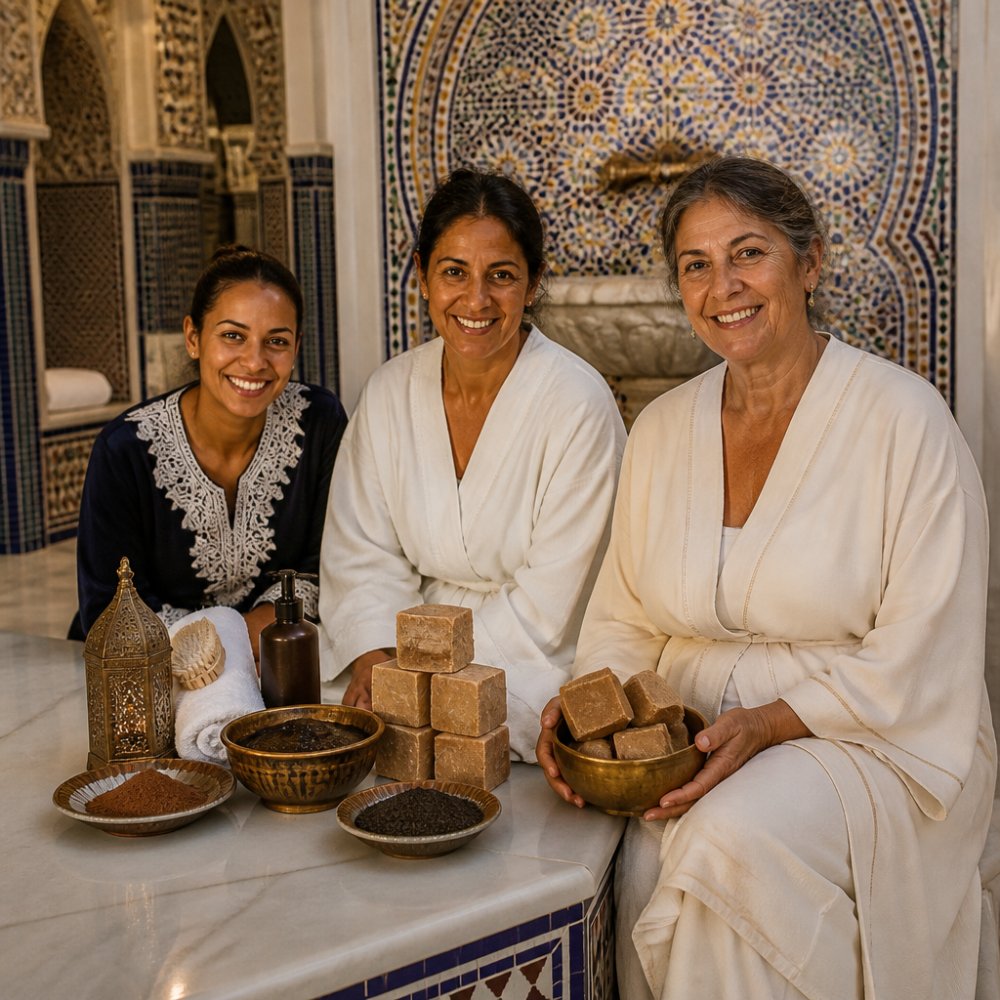
A complete kit covers four jobs: soften, exfoliate, purify, and nourish. Most sets include black soap, a kessa glove, and rhassoul clay, with some adding argan oil.
| Component | What It Does | What to Look For |
|---|---|---|
| Beldi black soap | Softens dead skin before exfoliation | Olive oil listed first |
| Kessa glove | Physically lifts dead skin | Coarse woven texture |
| Rhassoul clay | Draws out oil and impurities | Dry powder, earthy smell |
| Argan oil | Seals in moisture afterward | Cold-pressed, unroasted |
Top Moroccan Hammam Soap Sets Reviewed for 2026
The best Moroccan hammam soap set depends on whether you want a full ritual or just the essentials. Here are five options, starting with our top pick.
Renaissance de Beaute Ultimate Moroccan Hammam Ritual Set
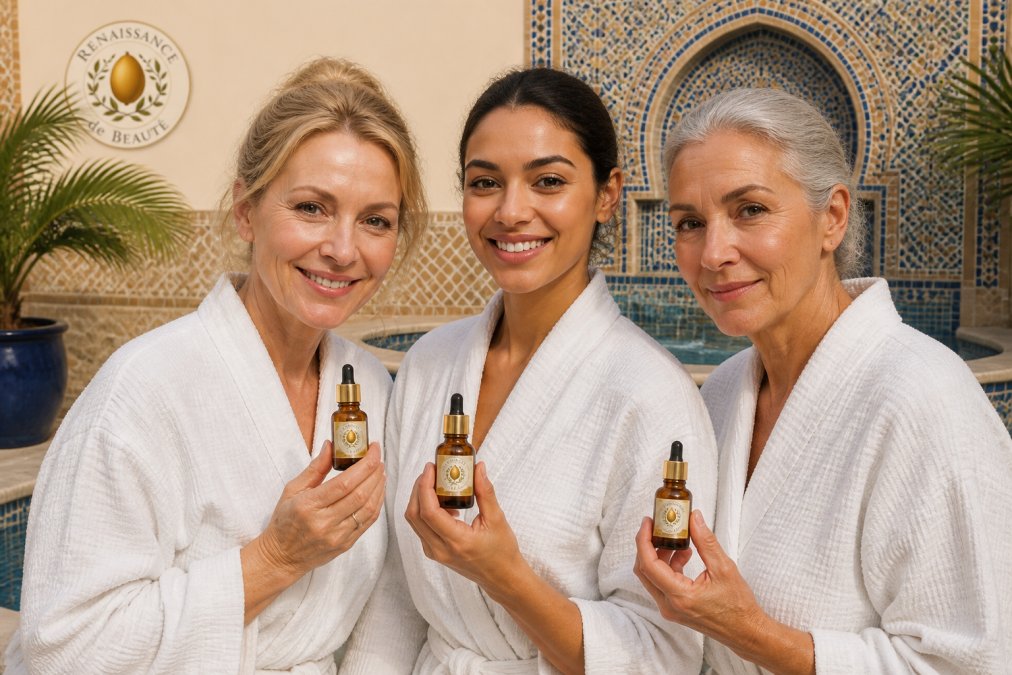
Our top pick is the Renaissance de Beaute collection, which builds a complete ritual around pure organic ingredients sourced from Morocco. The lineup includes authentic Moroccan Argan Oil, Beldi Black Soap, and Ghassoul clay, meticulously crafted to revitalize your skin, scalp, and hair, delivering deep cleansing, detoxification, and remarkable anti-aging benefits.
L'Jamila Moroccan Black Soap Set
L'Jamila leans into the sensory side of the ritual, pairing scented black soap in rose and oud with a professional-grade kessa mitt.
Natural Elephant Traditional Kessa Glove and Black Soap Set
For a no-frills, natural approach, Natural Elephant offers a two-piece set at an accessible price. The soap is a pure olive oil-based formula, and the glove is durable enough for repeated use.
Hammam Home Spa Kit
The drawback is time. Six steps take longer than a three-step routine, so this suits a weekend ritual rather than a quick weekday reset.
Natural Ways to Detoxify Skin with Moroccan Black Soap
Moroccan black soap detoxifies skin by softening the top layer of dead cells so they lift away cleanly during exfoliation. The olive oil base is rich in vitamins and minerals that condition as they cleanse.
How to Use a Kessa Glove for Exfoliation: Step-by-Step
Learning how to use a kessa glove for exfoliation comes down to timing and technique. The glove works only on softened skin, so soap comes first.
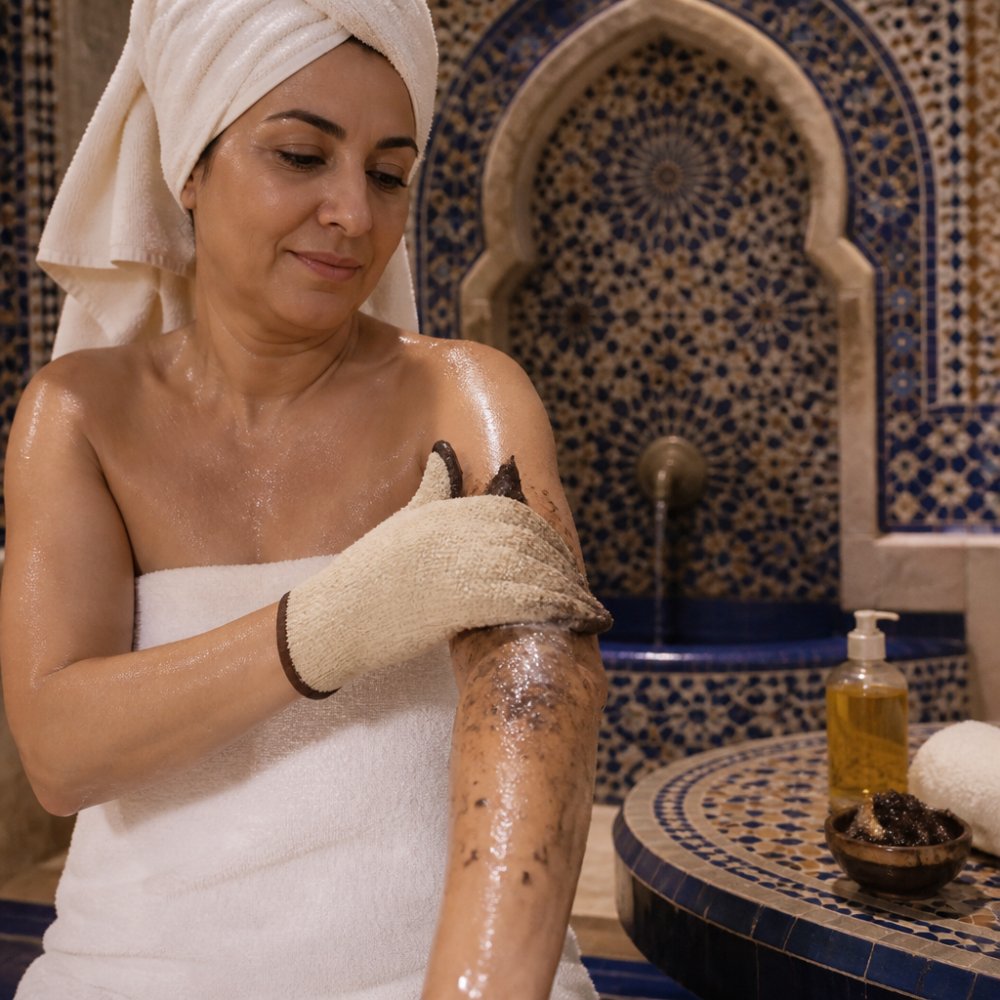
- Soften first. Apply black soap to damp skin and let it sit for five to ten minutes in a warm shower or bath.
- Rinse lightly. Keep skin damp, not dripping. Water is your lubricant.
- Pull, don't press. Draw the kessa glove toward your heart in firm, upward strokes. Light pressure is enough.
- Work in sections. Start with arms, move to legs, then torso. Spend a minute per area.
- Rinse and check. You'll see rolled-off skin in the water. That's the goal, not redness.
- Moisturize immediately. Apply argan oil within three minutes to lock in moisture.
Safety, Frequency, and Post-Hammam Skincare
A hammam ritual is a form of physical exfoliation, and like any exfoliation, it has a dose. Get it right and skin looks smoother and brighter; get it wrong and you strip the skin barrier, which shows up as tightness, stinging, and flaking within a day or two. This section covers how often to perform the ritual, who should adjust the cadence, and what to do afterward.
How Often Should You Use a Hammam Set?
Once every seven to ten days is the sweet spot for most skin types, giving the skin barrier time to rebuild the lipids and dead-cell layer the kessa glove removes.
Adjust the cadence by skin type:
- Normal skin: Every 7 to 10 days.
- Dry skin: Every 10 to 14 days, with heavier post-ritual moisturizing.
- Oily skin: Every 7 days is usually tolerable, but watch for rebound oiliness, which can signal over-stripping.
- Sensitive skin: Start at once every two weeks and extend the interval if you see redness or stinging.
- Anyone managing eczema, psoriasis, or rosacea: Check with a dermatologist before adding a vigorous scrub to the routine. Mechanical exfoliation can aggravate active flares.
The Signs You Are Exfoliating Too Often
Over-exfoliation isn't always obvious in the moment. Watch for these signals 24 to 48 hours after a session:
- Skin feels tight or "squeaky" even after moisturizing
- Stinging when you apply a product that normally feels neutral
- Flaking or rough patches that were not there before
- Increased sensitivity to warm water or fragrance
Moisturizing After Your Ritual: The Three-Minute Window
Post-hammam skincare matters as much as the ritual itself. Exfoliated skin absorbs moisture faster, so the minutes after you pat dry are your best hydration window.
- Apply within three minutes. Argan oil or a rich body cream goes on while skin is still slightly damp, which helps seal water in.
- Layer, don't just top. A light humectant (like a glycerin-based lotion) followed by an oil or balm gives you both water and occlusion.
- Focus on elbows, knees, and heels. These areas have fewer oil glands and dry out first.
- Skip alcohol-based toners and astringents. They undo the softening you just achieved.
- Give skin the evening off. No retinol, no acids, no second scrub the same day.
A Simple Post-Hammam Routine
- Pat dry with a clean towel, do not rub.
- Apply a glycerin or hyaluronic acid lotion to damp skin.
- Follow with argan oil or a shea-based balm on drier areas.
- Drink water and let skin rest for the evening.
- Resume your normal routine the next day, minus any exfoliating acids for 48 hours.
How to Verify Ingredient Sourcing and Authenticity
Most guides tell you to "buy from a trusted seller" and stop there, useless advice when every marketplace listing claims to be authentic. Here is a verification framework you can run in under two minutes, using only the product page, the label, and the physical product.
Check 1: Read the Ingredient List Like a Label Inspector
Authentic Beldi black soap has a short ingredient list: olive oil (often listed as Olea Europaea fruit oil) first, followed by a potassium-based saponifier such as potassium hydroxide or potash. That is essentially the whole formula.
Red flags that signal a repackaged body wash:
- Water (Aqua) listed first. Water is cheap and heavy. If it leads the list, you are buying a liquid cleanser with black coloring, not savon noir.
- Surfactants near the top. Sodium laureth sulfate, cocamidopropyl betaine, and similar foaming agents do not belong in traditional Beldi soap.
- Colorants and fragrance oils high in the list. Real black soap gets its dark color from the olive oil and potash reaction, not from added dye.
- A long ingredient list overall. Traditional savon noir runs three to five ingredients. A list of fifteen is a modern cosmetic, not a hammam staple.
Check 2: Test the Texture and Behavior
Authenticity shows up in how the product behaves, not just what it says.
- Black soap: Should be thick, dense, and slightly grainy, closer to a paste than a gel. It should not pour like shampoo or feel slippery-smooth between your fingers.
- Kessa glove: Should feel rough and stiff when dry, with a visible woven texture. A soft, plush mitt is a synthetic loofah in disguise and will not lift dead skin the same way.
- Rhassoul clay: Should arrive as a dry powder or a solid block with an earthy, almost muddy smell. If it is sold as a pre-mixed cream in a jar, it has been diluted with water and preservatives.
Check 3: Evaluate the Seller and the Price
Sourcing transparency is a seller-level signal, not a product-level one.
- Origin claims should be specific. "Atlas Mountains region" is a real sourcing claim. "Moroccan-inspired" is a marketing phrase with no sourcing behind it.
- Pricing should be plausible. Olive oil, potash, and genuine rhassoul clay cost real money. A set priced far below what the raw ingredients would allow is almost always cutting corners on sourcing or diluting the formula.
- Batch and freshness information helps. Cold-processed soap and dry clay have long shelf lives, but a seller who can tell you when a batch was made is a seller who knows their supply chain.
What "Authentic" Does Not Mean
Authenticity is not the same as certification. There is no single government seal for Moroccan hammam soap sold in the United States. What you are verifying is a chain of claims: the ingredient list matches the tradition, the texture matches the ingredient list, and the seller can explain where the materials came from. When all three line up, you have done more due diligence than most buyers ever do.
Frequently Asked Questions
What is included in an authentic Moroccan hammam soap set?
A genuine set typically includes black soap (savon noir or Beldi), a kessa exfoliating glove, and often rhassoul clay or argan oil. Some kits add a body scrub, shampoo, or moisturizer. The core items are the olive oil-based soap and the textured mitt, which work together to soften and remove dead skin. Sets range from two-piece basics to ten-piece collections with spa-grade extras.
How do I know if Moroccan black soap is authentic?
Check the ingredient list for olive oil, olive pomace, or potassium hydroxide as the first ingredients. Authentic Beldi soap has a thick, paste-like texture and a earthy, slightly smoky scent, not a perfumed or chemical smell. Look for brands that state the soap is made in Morocco and avoid products with synthetic detergents or fillers. Packaging often lists traditional methods like handcrafted or cold-process.
What are the benefits of using a Moroccan hammam set for skin detoxification?
The combination of black soap and kessa glove deep cleans pores, removes dead skin cells, and boosts circulation. Black soap's olive oil base softens skin, while the mitt physically exfoliates. This can improve skin texture, reduce dryness, and help with conditions like keratosis pilaris. Rhassoul clay in some sets draws out impurities. Regular use supports natural skin renewal and a smoother appearance.
How often should I use a Moroccan hammam soap set?
For most skin types, once a week is sufficient. If you have sensitive or dry skin, start with every other week and adjust based on how your skin responds. Over-exfoliating can strip natural oils and cause irritation. The soap can be used more often as a gentle cleanser, but the kessa glove should only be used during your weekly ritual to avoid damaging the skin barrier.
Is Moroccan black soap suitable for all skin types?
It is generally suitable for all skin types, including sensitive skin, because it is free of harsh synthetic detergents. However, those with very dry or eczema-prone skin should patch-test first and follow with a rich moisturizer. If you have open cuts, sunburn, or active acne, skip the exfoliation step. Always consult a dermatologist if you have a diagnosed skin condition.