 ultimate-guide
Benefits of Organic Argan Oil for Aging Skin
Table of Contents
- Why Organic Argan Oil Stands Out for Aging Skin
- How to Use Argan Oil for Face: A Step-by-Step Guide
- Incorporating Argan Oil into Your Anti-Aging Routine
- Argan Oil vs Jojoba Oil for Wrinkles: Which Wins?
- Cold-Pressed vs Refined: Why Processing Matters
- Sustainability and Ethical Sourcing of Argan Oil
- Frequently Asked Questions
Last Updated: September 16, 2026
Why Organic Argan Oil Stands Out for Aging Skin
The benefits of organic argan oil for aging skin start with its unusual composition: it is one of the few botanical oils rich in both vitamin E (tocopherols) and essential fatty acids, particularly linoleic acid and oleic acid. This combination supports the skin barrier and helps defend against free radical damage.
Argan oil is a cold-pressed botanical oil extracted from the kernels of the argan tree, traditionally used in Moroccan skincare for hydration, skin elasticity, and overall skin rejuvenation. Organic certification matters because it rules out synthetic pesticides and solvents that can undermine the oil's antioxidant content.
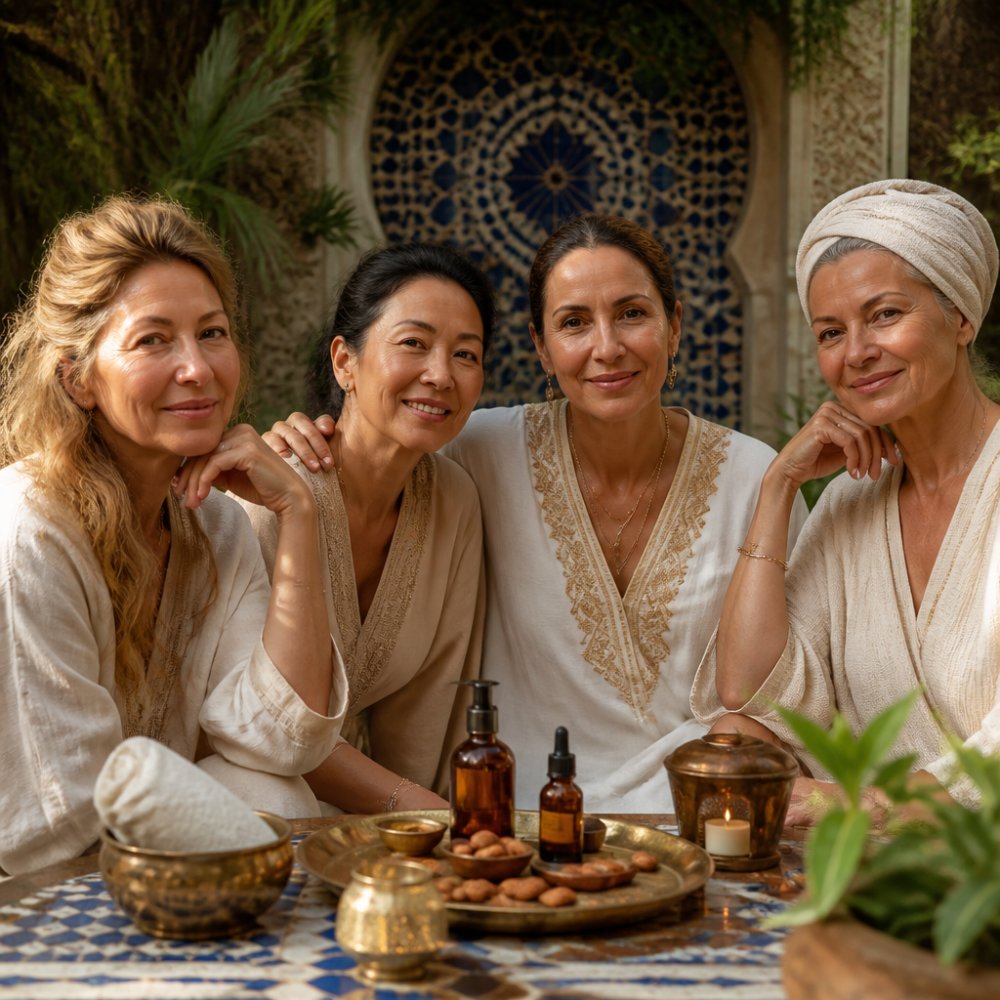
Renaissance de Beaute Argan Treatments builds its product line around pure organic argan oil. As skin ages, the lipid barrier thins and transepidermal water loss increases, which is why fine lines and wrinkles deepen. An oil rich in fatty acids helps replenish that barrier.
How to Use Argan Oil for Face: A Step-by-Step Guide
Using argan oil correctly takes about two minutes and makes the difference between glowing skin and a greasy one. Here is the routine:
- Cleanse with a gentle, non-stripping cleanser and pat skin almost dry.
- Warm 2-3 drops between your palms (start with 2 if your skin is oily).
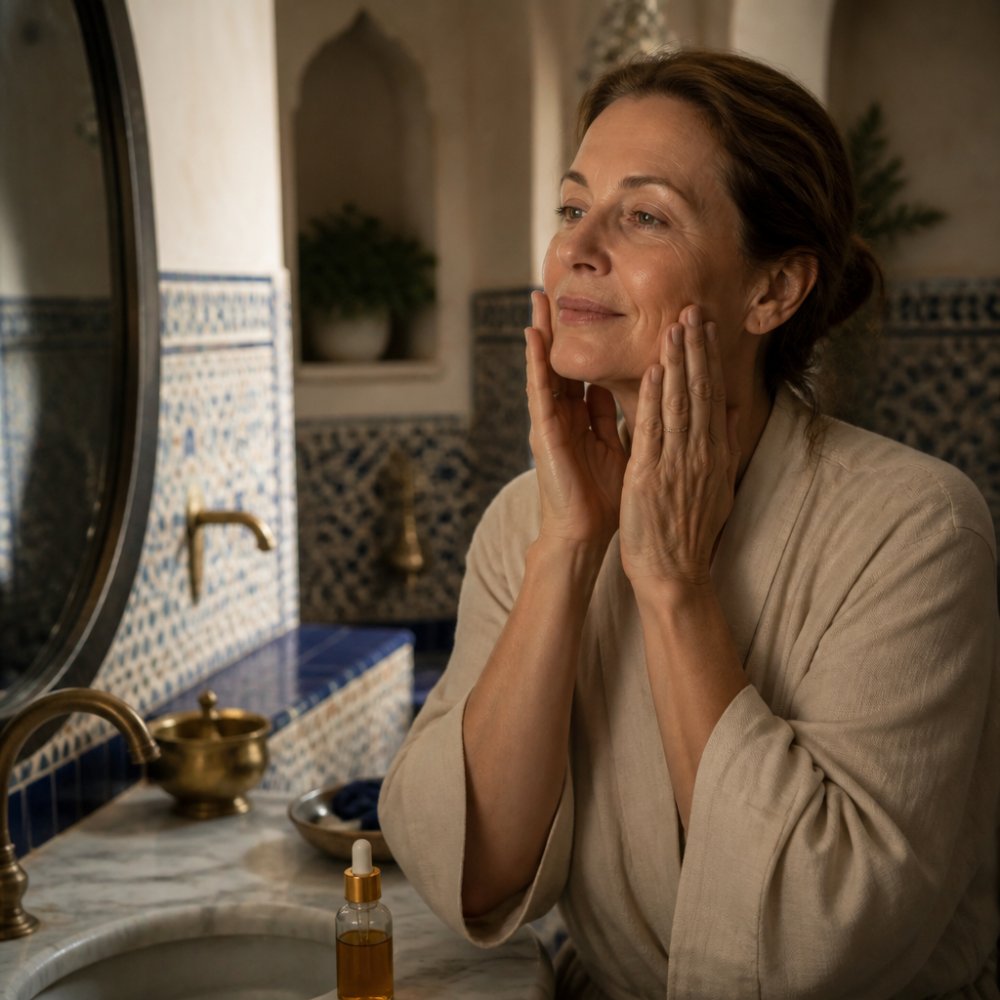
- Press, don't rub, the oil into your face and neck using upward motions.
- Wait five minutes before applying sunscreen in the morning or a night cream in the evening.
- Use once daily to start, then adjust based on how your skin responds.
A common mistake is applying argan oil to bone-dry skin. A little residual moisture helps the oil spread and absorb more evenly.
Patch Testing Protocols for Sensitive Skin
Patch testing is not optional if your skin has reacted badly to products before. Apply one drop to the inner forearm, cover it with a bandage, and wait 24 to 48 hours. If you see redness, itching, or swelling, do not use the product on your face. Repeat the test on a small area behind the ear before full facial use.
Incorporating Argan Oil into Your Anti-Aging Routine
Positioning argan oil correctly in your routine matters more than how much you use. The general rule: thinnest products first, oils near the end, sunscreen always last in the morning. But the aging-skin version of that rule has a few wrinkles worth spelling out.
- Morning: gentle cleanser, vitamin C serum, hyaluronic acid serum, argan oil, moisturizer, broad-spectrum sunscreen (SPF 30 or higher)
- Evening: cleanser, treatment serum (retinol or a prescription retinoid on the nights you use it), argan oil, heavier night cream
- Weekly: swap your usual oil for a few drops in a five-minute facial massage to support circulation and lymphatic drainage
Two timing details matter more than most guides admit. First, give water-based serums 60 to 90 seconds to absorb before pressing in oil; oil applied over a still-wet serum can pill or sit on top of the skin. Second, if you use a prescription retinoid, apply it first, wait until the skin is dry to the touch (about 10 to 15 minutes), then follow with argan oil. A common pattern among dermatology practices is to recommend this "retinoid sandwich" for patients whose skin is too irritated to tolerate the retinoid alone.
Synergistic Ingredients to Pair with Argan Oil
Argan oil works harder when paired well, and the pairing logic is different for aging skin than for acne-prone skin.
- Vitamin C (L-ascorbic acid or a stabilized derivative): complements argan oil's tocopherol content in the morning. Vitamin C is water-soluble and works in the aqueous layers of the skin; argan oil's fatty acids and vitamin E work in the lipid layers. Layering them covers more of the oxidative-stress surface area than either does alone.
- Hyaluronic acid: draws water into the epidermis, and argan oil seals it in. This is the single most useful pairing for skin that has thinned with age, because aging skin loses both water-holding capacity and barrier lipids.
- Retinol and prescription retinoids: the oil buffers the irritation retinoids commonly cause. Apply the retinoid first, let it absorb, then follow with argan oil. Do not mix them in the palm of your hand; the oil can dilute the retinoid and reduce its penetration.
- Niacinamide: supports barrier repair and pairs cleanly with argan oil in either the morning or evening slot. It is one of the few actives that plays well with almost everything else in a mature-skin routine.
- Ceramide creams: if your barrier is compromised, a ceramide moisturizer under argan oil gives the oil a lipid scaffold to work with rather than asking it to rebuild the barrier alone.
What to skip: layering argan oil with another heavy oil (coconut, avocado, castor).
How Much to Use and How Often
Start with 2 to 3 drops for the full face and neck. Oily or combination skin can often stop at 2; very dry or mature skin may need 4 to 5, applied in two passes. Use once daily for the first two weeks, then adjust based on how your skin feels the next morning. If you wake up greasy, cut back by a drop.
Argan Oil vs Jojoba Oil for Wrinkles: Which Wins?
For aging skin, argan oil generally edges out jojoba because of its higher vitamin E (tocopherol) content and its richer profile of linoleic and oleic fatty acids. But the honest answer is that neither oil erases wrinkles, and understanding why helps you use them better.
| Feature | Argan Oil | Jojoba Oil |
|---|---|---|
| Vitamin E content | High (tocopherols) | Low |
| Fatty acid profile | Linoleic and oleic acid | Liquid wax ester, structurally close to human sebum |
| Best for | Dry, mature, barrier-compromised skin | Oily, acne-prone, sebum-balancing |
| Texture | Richer, absorbs in a few minutes | Lighter, absorbs quickly |
| Non-comedogenic | Yes | Yes |
| Main strength for aging skin | Barrier support, antioxidant defense, hydration | Sebum regulation, lightweight moisture |
| Comedogenic rating | Low (typically rated 0-1) | Low (typically rated 0-2) |
Cold-Pressed vs Refined: Why Processing Matters
Cold-pressed argan oil retains far more of its polyphenols and tocopherols than refined oil, which is heated and chemically treated to extend shelf life and neutralize the nutty scent. Heat degrades many of the compounds responsible for antioxidant and anti-inflammatory activity.
Sustainability and Ethical Sourcing of Argan Oil
Authentic argan oil comes from cooperatives in Morocco, where women's groups traditionally handle the harvest and pressing. Ethical sourcing supports those cooperatives and pays fair wages, which in turn keeps the supply chain stable and the oil traceable.
Frequently Asked Questions
Does argan oil really work for wrinkles?
Argan oil can help soften the appearance of fine lines and wrinkles by supporting skin elasticity and hydration. Its high content of essential fatty acids, like linoleic and oleic acid, helps maintain the lipid barrier, reducing transepidermal water loss. While it is not a prescription-strength retinoid, regular use of organic argan oil for aging skin can improve texture and firmness over time, especially when combined with sun protection and a healthy routine.
Can I put argan oil on my face every day?
Yes, you can apply argan oil to your face daily. For most skin types, using 2-3 drops in the morning and evening is sufficient. If you have very oily or acne-prone skin, start with once daily to see how your skin responds. Always patch test first, and adjust frequency based on your skin's needs. Daily use helps maintain hydration and supports the skin barrier without clogging pores.
How does organic argan oil improve skin elasticity?
Organic argan oil contains tocopherols (vitamin E) and polyphenols that help neutralize free radicals, which can break down collagen and elastin in the dermis. By protecting these structural proteins, argan oil supports skin elasticity and firmness. Additionally, its fatty acids reinforce the lipid barrier, keeping skin supple. Consistent use may lead to a more resilient, youthful appearance, though results vary.
Are there any side effects of using argan oil on aging skin?
Argan oil is generally well-tolerated, but some people with sensitive skin may experience mild irritation or allergic reactions. Always perform a patch test on your inner arm before applying to your face. If you have a known nut allergy, consult a dermatologist first. Argan oil is non-comedogenic, so it is unlikely to clog pores, but discontinue use if you notice any adverse reaction.
Which is better for wrinkles, castor oil or argan oil?
Argan oil is often preferred for aging skin because it is lighter, non-greasy, and rich in vitamin E and fatty acids that support elasticity. Castor oil is thicker and can be comedogenic for some, but it is highly moisturizing. For wrinkles specifically, argan oil's antioxidant content and ability to improve skin texture make it a better choice for most people. However, individual results depend on your skin type and routine.
Aging skin needs consistent care, not a single miracle product. If you want an argan oil routine built on cold-pressed, organic ingredients rather than refined fillers, Renaissance de Beaute Argan Treatments offers pure Moroccan argan oil, Hammam-inspired cleansing essentials, and personalized guidance to match products to your skin type. Get started with Renaissance de Beaute Argan Treatments and build an anti-aging routine that supports your skin barrier every day.