 how-to
How to Use Beldi Soap at Home: Complete Guide
Table of Contents
- What Is Moroccan Black Beldi Soap?
- The Benefits of Beldi Soap for Your Skin
- Moroccan Hammam Ritual Steps: Preparing for Your Treatment
- Step-by-Step Application Guide: How to Use Beldi Soap at Home
- How to Use a Kessa Glove for Maximum Exfoliation
- Natural Ways to Detoxify Skin Beyond Beldi Soap
- How Often to Use Beldi Soap and Frequency Guidelines
- Safety, Contraindications, and Common Mistakes to Avoid
- Frequently Asked Questions
Last Updated: August 31, 2026
What Is Moroccan Black Beldi Soap?
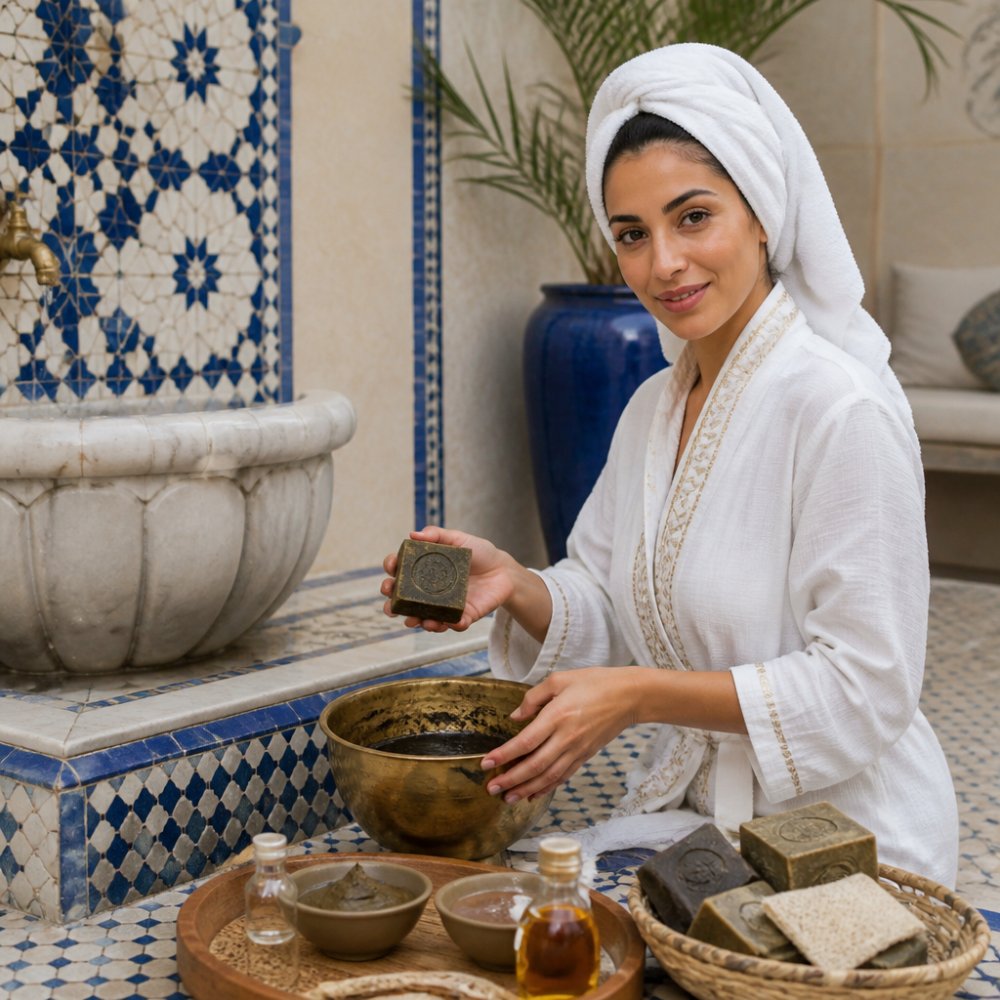
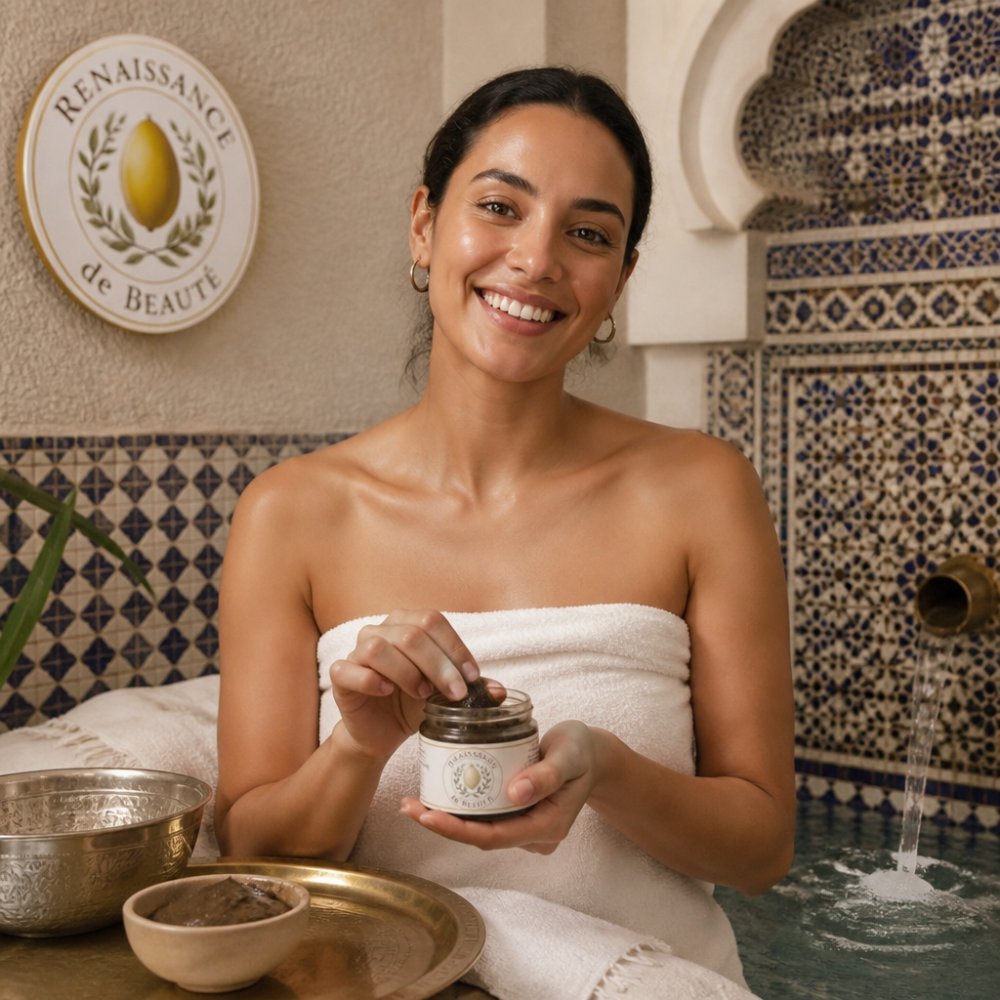
Beldi soap, also known as savon noir or Moroccan black soap, is a traditional cleansing paste made from macerated olives, potassium hydroxide, and olive oil. This dark, viscous gel distinguishes it from conventional bar soaps and is central to the authentic hammam ritual practiced for centuries in Moroccan spas. The soap's composition allows it to emulsify with water while gently softening the skin's outer layers, preparing them for deep exfoliation.
Renaissance de Beaute Argan Treatments sources authentic beldi soap formulated with pure organic ingredients, honoring the traditional methods that make this product effective for home spa treatments. Unlike modern commercial exfoliants, beldi soap works synergistically with steam and manual exfoliation to deliver results that go beyond surface cleansing. It conditions the skin while loosening dead skin cells, making them easier to remove, a dual action that has remained effective for generations.
The Benefits of Beldi Soap for Your Skin
Deep cleansing and detoxification represent the primary advantage. Beldi soap penetrates pores more effectively than standard cleansers because its gel texture allows prolonged contact with skin. The olive oil base nourishes while the potassium hydroxide component gently breaks down sebum and impurities, creating a detoxifying effect that leaves skin genuinely purified rather than stripped.
Improved skin texture and radiance develop with consistent use. Dead skin cells accumulate unevenly across the body, creating dull patches and rough areas. Beldi soap removes these cells systematically, revealing smoother, brighter skin beneath.
Enhanced blood circulation occurs during the massage phase of the application process. The circular motions required to work beldi soap into the skin stimulate blood flow, increasing oxygen delivery to skin cells and contributing to a natural glow.
Anti-aging properties emerge from the combination of deep cleansing and the olive oil's natural antioxidants. By removing dead skin cells that make fine lines appear more pronounced and by hydrating the skin with olive oil, beldi soap helps maintain a more youthful appearance while encouraging cellular turnover.
Moroccan Hammam Ritual Steps: Preparing for Your Treatment
The hammam ritual is not simply a matter of applying soap and rinsing. The preparation phase determines whether you'll experience genuine benefits or just go through the motions.
Begin with a warm shower to raise your skin's temperature and open your pores. Spend 5-10 minutes under warm water, allowing your body to acclimate. This initial warmth is essential; cold skin won't respond optimally to beldi soap.
Create steam by running hot water in your bathroom and allowing the moisture to build, or by using a steam bath if available. Spend 3-5 minutes in this steam environment before applying beldi soap. Steam softens the outer skin layer and opens pores fully.
Pat your skin damp but not dripping wet. Completely dry skin won't allow beldi soap to glide properly, and soaking wet skin dilutes the soap too much. Damp skin provides the ideal surface for application.
Ensure the room remains warm and humid throughout your treatment. Skin cools quickly once removed from warmth, which reduces the effectiveness of the entire process. This preparation phase typically takes 15-20 minutes but is absolutely worth the time investment.
Step-by-Step Application Guide: How to Use Beldi Soap at Home
Learning how to use beldi soap correctly is the difference between a mediocre experience and genuine results.
Step 1: Steam Your Skin
Begin with 5-10 minutes of exposure to warm steam. This opens your pores and softens the stratum corneum, the outermost layer of dead skin cells. Without adequate steam, beldi soap cannot penetrate effectively.
Step 2: Apply the Beldi Soap
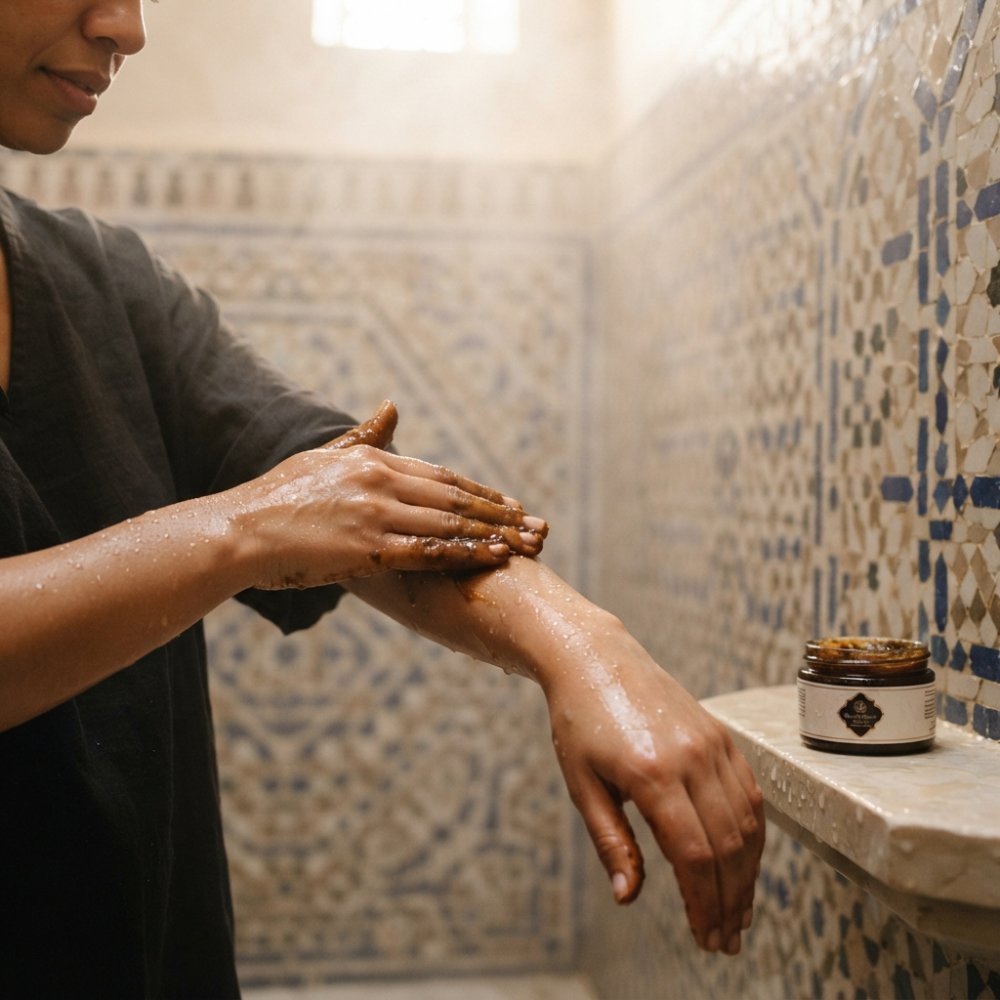
Take approximately a walnut-sized amount of beldi soap and begin applying it to damp skin in sections. Start with your arms, moving to your legs, torso, and back. Work methodically from one area to the next rather than applying to your entire body at once, preventing the soap from drying out on areas you applied first.
Do not apply beldi soap to your face unless you have experience with it. Facial skin is more delicate, and beldi soap is formulated for body use.
Step 3: Massage and Exfoliate
Once the beldi soap covers a section of skin, begin massaging with circular motions using firm but gentle pressure. You'll notice dark, grainy material accumulating on your skin as you massage, this is the dead skin being removed. Continue massaging each section for 2-3 minutes, or until the amount of dead skin being removed noticeably decreases. The massage stimulates blood circulation while physically removing dead cells.
Step 4: Rinse Thoroughly
Rinse all the beldi soap and loosened dead skin away with warm water. Rinse for at least 2-3 minutes, ensuring you remove every trace of soap. Your skin should feel clean and smooth, with no slippery residue remaining.
How to Use a Kessa Glove for Maximum Exfoliation
The kessa glove, a rough, textured exfoliating mitt, amplifies the beldi soap's exfoliating power. While not required, using a kessa glove transforms the treatment from effective to exceptional.
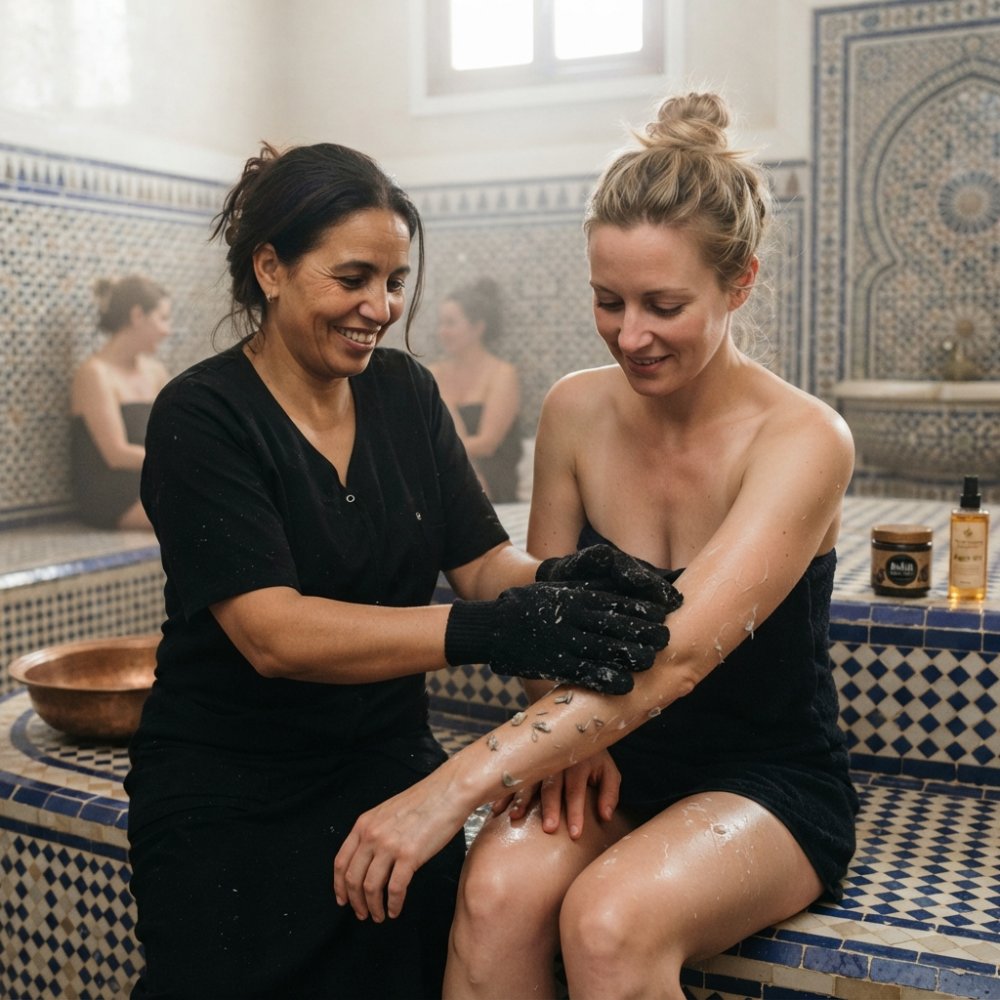
A kessa glove is typically made from natural fibers with a coarse texture designed specifically for body exfoliation. The glove works by mechanically removing dead skin cells while the beldi soap softens them chemically.
To use a kessa glove effectively, wet it thoroughly and put it on. After applying beldi soap, use the glove to massage skin with circular motions, using slightly more pressure than you would with bare hands. The glove is particularly effective on areas prone to buildup: elbows, knees, heels, and the soles of feet. After each use, rinse the kessa glove thoroughly and hang it to dry. Replace it every 6-12 months depending on frequency of use.
Natural Ways to Detoxify Skin Beyond Beldi Soap
While beldi soap delivers substantial detoxifying benefits, complementary practices amplify the effect.
Hydration is foundational. Drinking adequate water supports your body's natural detoxification systems and ensures skin cells have the hydration they need to function optimally.
Dry brushing before your beldi soap treatment prepares skin by increasing circulation and loosening surface dead skin. Use a natural-bristle brush in upward strokes toward your heart, spending 2-3 minutes on each area.
Steam inhalation supports skin detoxification by opening pores fully and promoting blood flow. The steam phase of your hammam ritual serves this purpose, but you can also use a facial steamer for additional benefit.
Contact Us for Personalized Spa Packages →
Herbal infusions and natural oils can be added to your post-treatment routine. After rinsing beldi soap, applying a light layer of argan oil locks in hydration and provides antioxidants that support skin recovery. Renaissance de Beaute Argan Treatments offers pure argan oil specifically formulated to complement the detoxifying effects of beldi soap, and our Renaissance Bath & Body Combos are designed to extend your home spa experience with coordinated products.
Rest and stress reduction impact skin detoxification substantially. Stress elevates cortisol, which impairs skin barrier function. Building your hammam ritual into a relaxing self-care practice enhances the detoxifying effect.
How Often to Use Beldi Soap and Frequency Guidelines
Using beldi soap too frequently can over-exfoliate and compromise your skin barrier. For most skin types, using beldi soap once per week provides optimal results. This frequency allows sufficient time between treatments for your skin to regenerate and repair.
Sensitive or compromised skin should start with once every 10-14 days. If you have active skin conditions, eczema, psoriasis, or recent sun damage, more conservative frequency prevents irritation.
Thicker-skinned areas like feet, elbows, and heels can tolerate more frequent treatment. Many people use beldi soap twice weekly on these zones while maintaining weekly frequency elsewhere.
Seasonal adjustments may be necessary. During winter when skin tends to be drier, reduce frequency to every 10 days. During summer, weekly use remains appropriate.
The key indicator is how your skin responds. If you notice increasing dryness, sensitivity, or irritation, reduce frequency.
Safety, Contraindications, and Common Mistakes to Avoid
Understanding when not to use beldi soap is as important as knowing how to use it properly.
Active skin infections or open wounds are absolute contraindications. Do not apply beldi soap to areas with active acne pustules, cuts, abrasions, or fungal infections. Wait until the area has fully healed before resuming treatment.
Sunburned or severely irritated skin should not be treated with beldi soap. Allow sunburned skin to heal completely, typically 3-5 days, before resuming your regular routine.
Certain medications increase photosensitivity or skin sensitivity. If you take medications like retinoids, antibiotics, or certain antihistamines, consult your healthcare provider before starting beldi soap treatments.
Pregnancy is not a contraindication, but pregnant individuals should avoid excessive heat and be cautious about overheating during the steam phase.
Common mistakes that reduce effectiveness or cause problems:
Applying beldi soap to completely dry skin prevents proper gliding and can cause irritation. Always ensure skin is damp before application.
Leaving beldi soap on too long, beyond 5-10 minutes, can over-dry skin. Stick to the recommended timeframe.
Skipping the steam phase undermines the entire treatment. Steam is essential to the process working correctly.
Using a kessa glove too aggressively causes micro-tears and irritation. Less pressure is needed compared to hand massage alone.
Failing to moisturize after treatment leaves skin dry and vulnerable. Apply a light oil or moisturizer within minutes of rinsing.
Not maintaining consistent frequency prevents you from experiencing cumulative benefits. Sporadic use doesn't allow skin to establish a healthy renewal cycle.
The beldi soap ritual represents centuries of Moroccan beauty wisdom adapted for modern home use. When you understand the science behind each step and respect the contraindications, you unlock a skincare practice that delivers genuine transformation. Renaissance de Beaute Argan Treatments has curated authentic beldi soap and complementary products specifically for those seeking to recreate the hammam experience at home. For personalized guidance on incorporating beldi soap into your unique skincare routine, contact us for a treatment consultation where our team can recommend the approach best suited to your skin type and goals.
Frequently Asked Questions
How often should you use Moroccan black beldi soap?
Most skin types benefit from using beldi soap once or twice weekly. Those with sensitive or very dry skin should start with once per week to allow their skin barrier to adjust. Oily or combination skin may tolerate twice-weekly use. Begin gradually and observe how your skin responds. If you notice irritation, reduce frequency. Consistency matters more than intensity, regular weekly use delivers better results than occasional intensive treatments.
Can you use beldi soap on your face?
Yes, you can use beldi soap on your face, but with caution. The face has thinner, more sensitive skin than the body. Apply a thin layer, leave it on for just 5-10 minutes (shorter than body application), and avoid the eye area entirely. Test on a small patch first if you have reactive skin. Many people prefer using beldi soap primarily on the body and reserve gentler exfoliants for facial skin. Always follow with hydrating moisturizer afterward.
Do you use a kessa glove with beldi soap?
Yes, a kessa glove enhances the exfoliating effect of beldi soap. After applying the soap and allowing it to soften your skin, use the glove in gentle circular motions to slough away dead skin cells. The combination of the soap's natural cleansing properties and the glove's texture creates the authentic hammam experience. However, kessa gloves are optional, you can achieve results with your hands alone, especially if you have sensitive skin. Start without the glove and add it once your skin adapts.
What makes beldi soap different from modern exfoliants?
Beldi soap works through natural saponification of macerated olives and potassium hydroxide, creating a viscous gel that softens dead skin rather than mechanically scrubbing it away. This gentler approach reduces irritation compared to harsh physical scrubs. Traditional beldi soap also contains olive oil, which hydrates while cleansing. Modern chemical exfoliants (AHAs, BHAs) work through acid dissolution, which can be more aggressive. Beldi soap combines cleansing, hydration, and gentle exfoliation in one step, making it ideal for those seeking natural, spa-quality skincare.