 how-to
How to Use Ghassoul for Hair: A Step-by-Step Guide
Table of Contents
- What Is Ghassoul Clay and Why It Works for Hair
- Benefits of Ghassoul Clay for Scalp Health
- Ghassoul Clay Hair Mask Recipe: Mixing Ratios That Work
- How to Apply Ghassoul for Hair: Step-by-Step
- How Long to Leave Ghassoul Clay in Hair
- Rinsing, pH Balancing, and Conditioning After Clay
- Troubleshooting: Residue, Clumping, and the Transition Period
- How Often Should You Use Ghassoul Clay on Hair?
- Frequently Asked Questions
Last Updated: September 14, 2026
What Is Ghassoul Clay and Why It Works for Hair
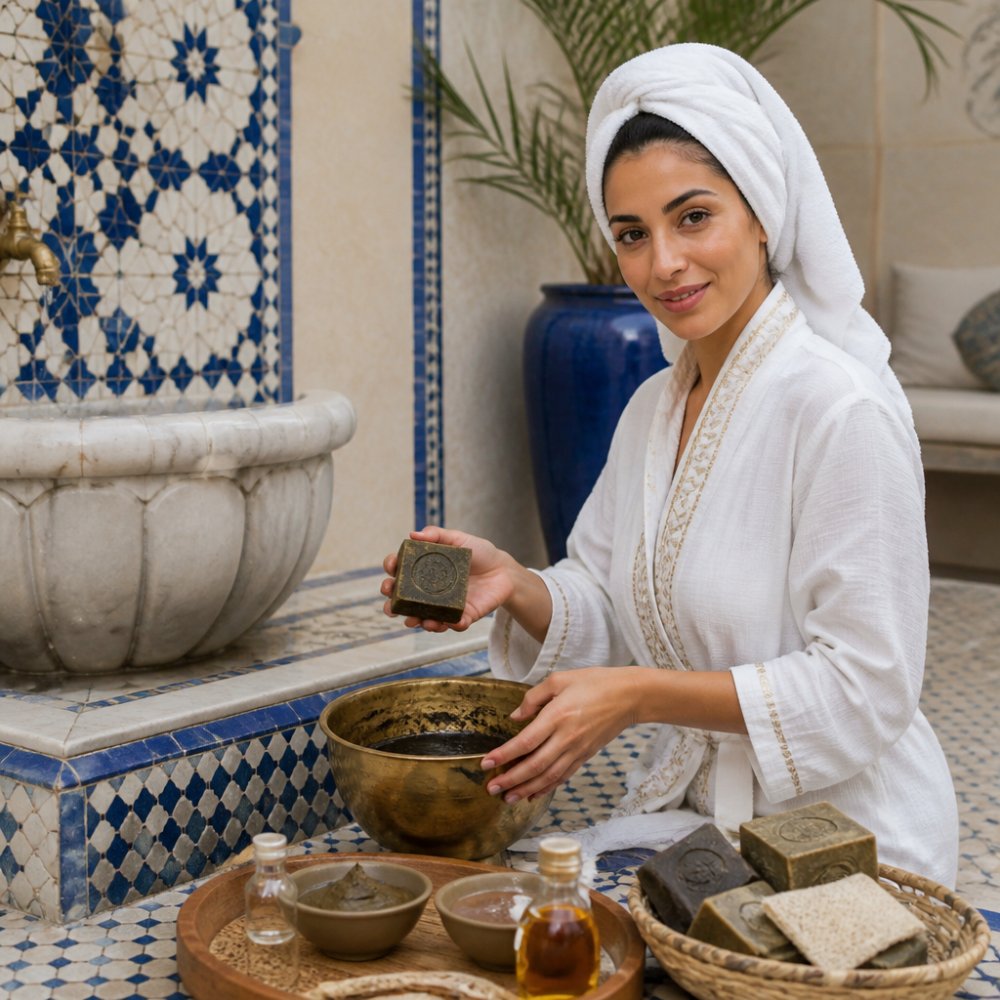
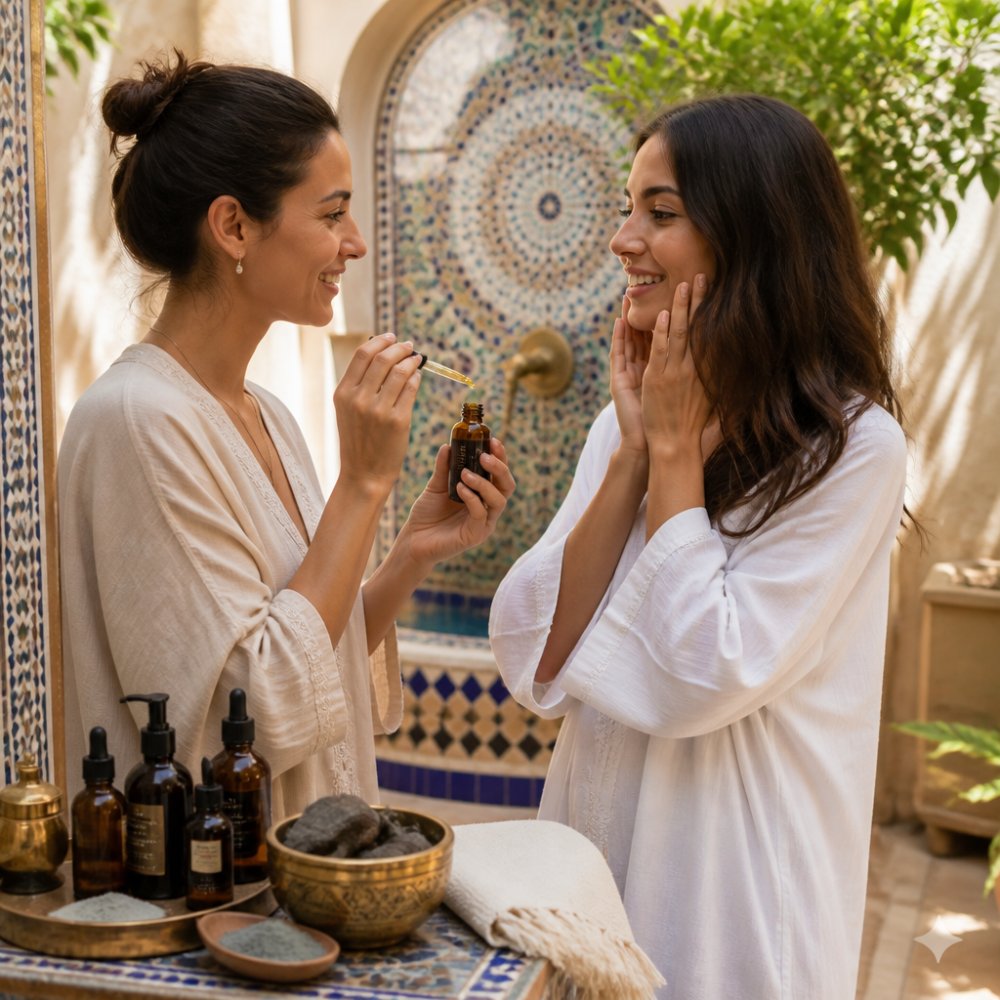
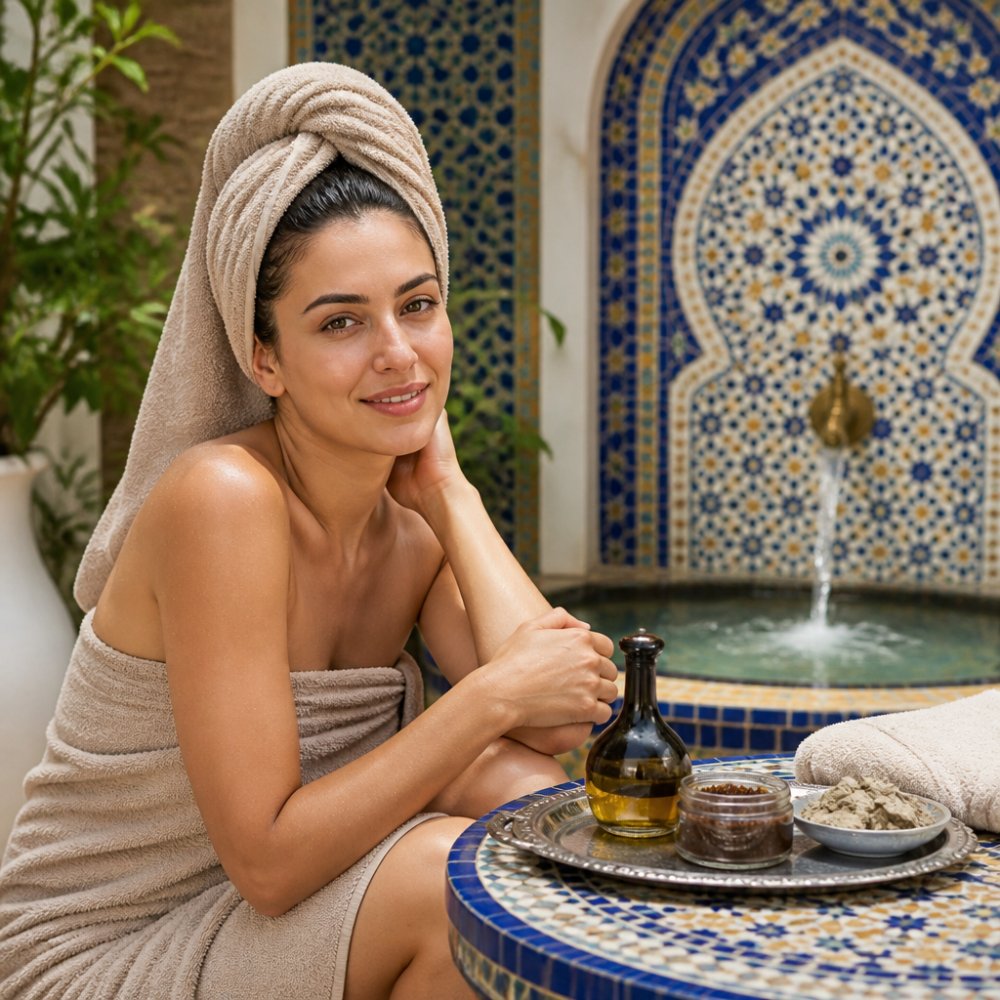
Ghassoul clay is a mineral-rich clay mined in the Atlas Mountains of Morocco, historically used in traditional hammam rituals to cleanse skin and hair. This guide from Renaissance de Beaute Argan Treatments walks through exactly how to use ghassoul for hair, from mixing ratios to rinse technique.
The clay's structure sets it apart. Its particles carry a negative charge that attracts positively charged oils, dirt, and product residue, a process called cation exchange, lifting buildup off the hair shaft without harsh surfactants. The result is a deep clean that leaves natural oils largely intact.
PubMed research on clay minerals in cosmetic applications
Benefits of Ghassoul Clay for Scalp Health
The most immediate benefit of ghassoul clay for scalp health is sebum absorption. Excess oil at the roots weighs hair down and can feed the yeast linked to flaking and irritation. Clay soaks up that oil along with dead skin cells, which is why users describe their scalp as lighter and cleaner after one treatment.
There is an exfoliation effect too: massaging the paste in lets fine mineral particles lift dead skin and leftover styling product, which many people find reduces flaking over time. It is not a medical treatment for a diagnosed scalp condition, though.
pH balance matters too. A healthy scalp sits in a mildly acidic range while clay is closer to neutral, a temporary, mild shift that explains why a diluted apple cider vinegar rinse after washing works so well for many people.
Ghassoul Clay Hair Mask Recipe: Mixing Ratios That Work
A basic ghassoul clay hair mask recipe uses a 1:2 ratio, one part clay to two parts liquid by volume. For one application, start with two tablespoons of clay powder and four tablespoons of warm water, stirring with a non-metal spoon until smooth with no dry pockets.
The liquid you choose changes the result:
- Warm water: the simplest option, best for oily scalps
- Aloe vera gel mixed with water: adds slip and hydration for dry ends
- A few drops of argan oil: conditions mid-lengths and ends without weighing down roots
- Rose water: a traditional hammam choice that softens the mineral scent
Avoid metal bowls and utensils, clay can react with metal and lose drawing power. Glass, ceramic, or wood works best.
Adjusting Paste Consistency for Your Hair Porosity
Porosity determines paste thickness. Low-porosity hair does better with a thinner, more fluid paste that rinses cleanly; high-porosity hair can handle a thicker paste and often benefits from added argan oil.
If your paste feels gritty or crumbly, add water one teaspoon at a time. If it drips off the spoon too fast, add clay in half-teaspoon increments. The right consistency resembles thick yogurt.
How to Apply Ghassoul for Hair: Step-by-Step
Learning how to apply ghassoul for hair correctly matters more than the recipe itself. Most residue problems trace back to application and rinsing, not the clay.
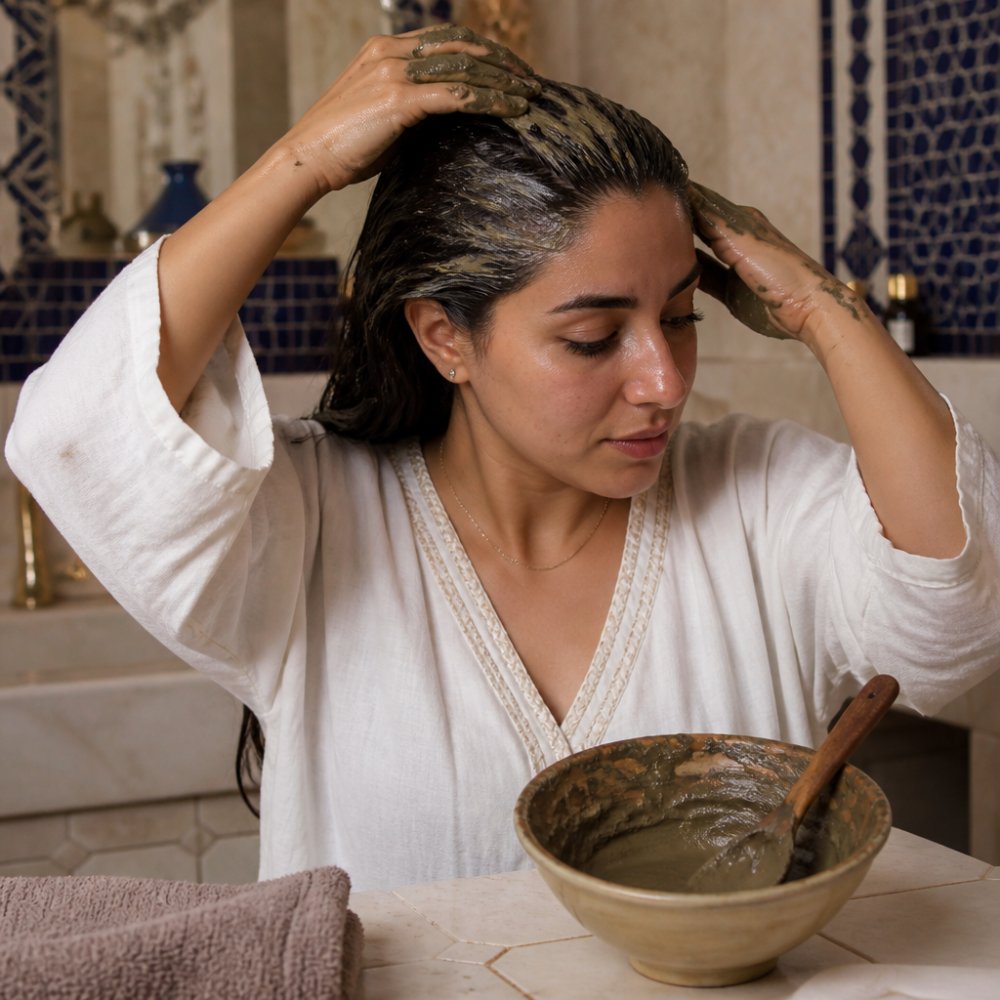
- Start with dry or slightly damp, unwashed hair. Buildup gives the clay something to grab.
- Section hair into four parts and clip each section out of the way.
- Apply the paste to your scalp first, working along the part lines with your fingertips.
- Massage gently for two to three minutes to lift oil and dead skin.
- Work the remaining paste down the hair shaft, stopping an inch or two before the ends if your ends are dry.
- Pile hair loosely on top of your head. Do not twist or braid it, which traps clay in the middle layers.
How Long to Leave Ghassoul Clay in Hair
Leave ghassoul clay in hair for 10 to 15 minutes for a standard treatment; oily scalps can go up to 20. Past that window, the clay pulls moisture from the hair shaft, leaving it brittle rather than clean.
Do not let the paste dry completely, once it cracks, it is actively drawing water out of your hair. If you lose track of time, mist the surface with warm water to keep it damp.
Contact Us for Personalized Spa Packages →
For a lighter refresh between full treatments, five minutes at the roots is enough to absorb surface oil.
Rinsing, pH Balancing, and Conditioning After Clay
Rinsing is where most people go wrong. Clay residue hides in the dense layers near the crown, and a quick pass under the showerhead will not reach it.
Use warm, not hot, water and rinse in sections, letting water run through each for a full 30 seconds while your fingers separate the strands. Then tilt your head forward and rinse the nape and crown again, the two spots where dried clay most often survives a first rinse.
Why pH Balancing After Clay Actually Matters
This step determines whether your hair feels soft or rough for the next three days.
Healthy hair and scalp sit at roughly pH 4.5 to 5.5, where the cuticle lies flat and smooth. Ghassoul clay mixes closer to neutral, around pH 7 to 8 depending on your water, and that shift lifts the cuticle slightly, making hair feel rougher, tangle more easily, and lose moisture faster as the inner cortex is exposed.
The fix is not to avoid clay but to close the cuticle back down immediately after rinsing with an acidic rinse. Diluted apple cider vinegar is the most common choice: about one tablespoon of vinegar to one cup of cool water, poured slowly over scalp and hair, left for roughly a minute, then given a quick final rinse. The acid brings the surface back toward its natural range, flattening the cuticle and locking in moisture.
A few practical notes on the vinegar rinse:
- Use cool or lukewarm water, not hot. Heat re-lifts the cuticle you are trying to close.
- Do not skip the final rinse. Leaving vinegar in the hair can leave a lingering scent once it dries.
- If your scalp is sensitive, start with a weaker dilution, one teaspoon of vinegar to one cup of water, and build up.
- Citric acid powder dissolved in water works the same way if you dislike the vinegar smell, but it is easy to overdo. Follow the package dilution rather than guessing.
Conditioning Without Undoing the Clean
Conditioning after clay is not optional for most hair types, but where you apply it matters. Apply a lightweight conditioner or a few drops of pure argan oil to the mid-lengths and ends only, skipping the scalp, which does not need added oil right after a clay wash.
Fine or low-porosity hair often needs only a leave-in mist; coarse or high-porosity hair holds moisture longer with a richer cream conditioner on the ends. Either way, apply to damp hair within a few minutes of rinsing, while the cuticle is still receptive.
American Academy of Dermatology guidance on hair and scalp care
Troubleshooting: Residue, Clumping, and the Transition Period
Residue and clumping are the two most common complaints, and both trace back to mixing and rinsing rather than the clay itself. The table below covers fast fixes; the sections after it explain what is happening so you can prevent the problem instead of reacting to it.
| Problem | Likely Cause | Fix |
|---|---|---|
| White or gray residue | Paste too thick, rinse too short | Thin the mix, rinse in sections for 30 seconds each |
| Stiff, clumpy strands | Clay dried on hair | Keep paste damp, cap treatment at 15 minutes |
| Tangled, rough ends | Clay applied to dry ends | Stop application 2 inches from ends, condition after |
| Scalp feels tight | Left on too long | Reduce to 10 minutes, add argan oil to the mix |
| Gritty texture in hair after drying | Undissolved clay particles | Sift powder before mixing, rest paste 5 minutes before applying |
| Flaking that gets worse, not better | Clay drying out the scalp | Shorten treatment, add a humectant like honey or aloe to the mix |
Why Residue Forms and How to Stop It
Residue is almost always undissolved clay, not clay that failed to rinse. Ghassoul powder clumps if you add liquid too fast or stir with a metal spoon; those clumps survive the rinse, dry against the hair shaft, and show up as a pale, chalky film.
Three habits prevent it:
- Sift the powder through a fine strainer before mixing. It takes ten seconds and eliminates most clumping.
- Add liquid in small amounts while stirring, rather than pouring it all in at once.
- Let the mixed paste rest for five minutes so the particles fully hydrate before they touch your hair.
If you already have residue, do not scrub harder. Re-wet the hair, apply a little conditioner to the affected area so particles have something to slide against, and rinse again in sections. A diluted vinegar rinse afterward removes the last of the film.
Contact Us for Personalized Spa Packages →
The Transition Period: What to Expect and How Long It Lasts
If you are switching from a conventional shampoo routine, your scalp will likely push back for a while, the reason many people abandon clay washing in the first month.
Conventional shampoos strip sebum aggressively, so your scalp overproduces oil to compensate. Switch to clay, which removes far less sebum, and the scalp keeps overproducing before recalibrating, leaving two to four weeks where hair may feel oilier than it did on shampoo, even though you are washing it.
A few things make that stretch easier:
- Cut back gradually. Replace one shampoo wash per week with a clay wash, then two, rather than quitting overnight.
- Use a lighter paste during the transition. A thinner mix with more water removes less oil and is gentler on a scalp that is still adjusting.
- Do not compensate by washing more often. Daily clay washing during the transition tends to prolong the adjustment rather than shorten it.
- Expect the oiliness to peak around week two and taper after that. Most people find their scalp settles by week three or four.
Ingredient Compatibility: What You Can Safely Mix In
Adding ingredients changes how the paste behaves, and not every addition plays well with clay. A few that work reliably:
- Raw honey: a humectant that offsets clay's drying effect, especially useful during the transition. One teaspoon per batch.
- Aloe vera gel: adds slip and makes the paste easier to spread through dense hair. Swap up to half the water for gel.
- Argan or jojoba oil: conditions mid-lengths and ends. Two to three drops is enough; more makes the paste greasy and hard to rinse.
- Essential oils: a few drops of lavender or tea tree can improve the scent and add mild scalp benefits. Dilute properly and patch-test first.
Skip anything acidic in the paste itself, like lemon juice or straight vinegar. The acid reacts with the clay and weakens its drawing power before it ever reaches your hair. Save the acidic step for the rinse, where it belongs.
How Often Should You Use Ghassoul Clay on Hair?
Once a week suits most people. Oily scalps and heavy styling-product users can go twice weekly; dry or color-treated hair does better on a 10-day cycle, alternating with a gentle co-wash.
Watch your hair, not the calendar. Rough or brittle strands mean you are using it too often or leaving it on too long; a scalp that still feels oily a day later means you can stretch the treatment time slightly or apply more paste at the roots.
For a complete hammam-inspired routine, pair your clay wash with authentic Moroccan argan oil and traditional cleansing essentials. Renaissance de Beaute Argan Treatments offers spa-quality Ghassoul and argan products crafted for exactly this kind of at-home ritual, and their team can help you build a routine that fits your hair type.
Clay washing rewards patience more than technique. The mix, the timing, and the rinse all matter, but consistency is what transforms hair over a few weeks. Renaissance de Beaute Argan Treatments brings the authentic Moroccan hammam experience home with pure organic Ghassoul, genuine Argan Oil, and traditional Beldi Black Soap, all meticulously crafted for deep cleansing and lasting revitalization. Explore the Renaissance Online Shop to build your ritual, or reach out for a personalized consultation and let the team match products to your scalp and hair needs.
Frequently Asked Questions
Can ghassoul clay be used on all hair types?
Ghassoul clay works across hair types, but the mixing ratio should change. Fine or low-porosity hair does best with a thinner paste (more water) to avoid residue and tangling. Thick, coarse, or high-porosity hair handles a thicker, more saturated paste. Curly and coily hair benefits from adding a few drops of argan oil to the mix for extra slip. If your scalp is sensitive or reactive, do a patch test on your inner arm first and start with a short contact time.
How often should you use ghassoul clay for hair?
Most people do well with once a week. Oily scalps and heavy product users can try twice weekly, while dry or color-treated hair should start with every 10 to 14 days. Overuse strips sebum and can leave hair feeling rough, so watch how your scalp and ends respond. If your hair feels dry or squeaky after rinsing, stretch the interval. During the first few weeks of switching from sulfate shampoo, a slightly more frequent schedule can help manage the transition phase.
What are the side effects of using ghassoul clay on the scalp?
Ghassoul is gentler than many sulfate cleansers, but it is not risk-free. Leaving it on too long can dry out the scalp and cause tightness or flaking. Improper rinsing leaves residue that clumps at the roots and dulls the hair shaft. Rarely, someone reacts to the minerals or to added essential oils in a pre-mixed product. If you notice itching, redness, or unusual shedding, stop use and check with a dermatologist, especially if you are already under care for a scalp condition.
What is the difference between ghassoul and bentonite clay for hair?
Both are mineral-rich clays that absorb sebum, but they behave differently. Ghassoul, also called Moroccan lava clay, has a smoother texture, mixes into a silkier paste, and rinses out more easily, which makes it a better fit for regular co-washing and for hair that tangles. Bentonite swells more, draws harder, and can leave hair feeling stripped or matted if left on too long. For dry, damaged, or color-treated hair, ghassoul is usually the gentler choice.