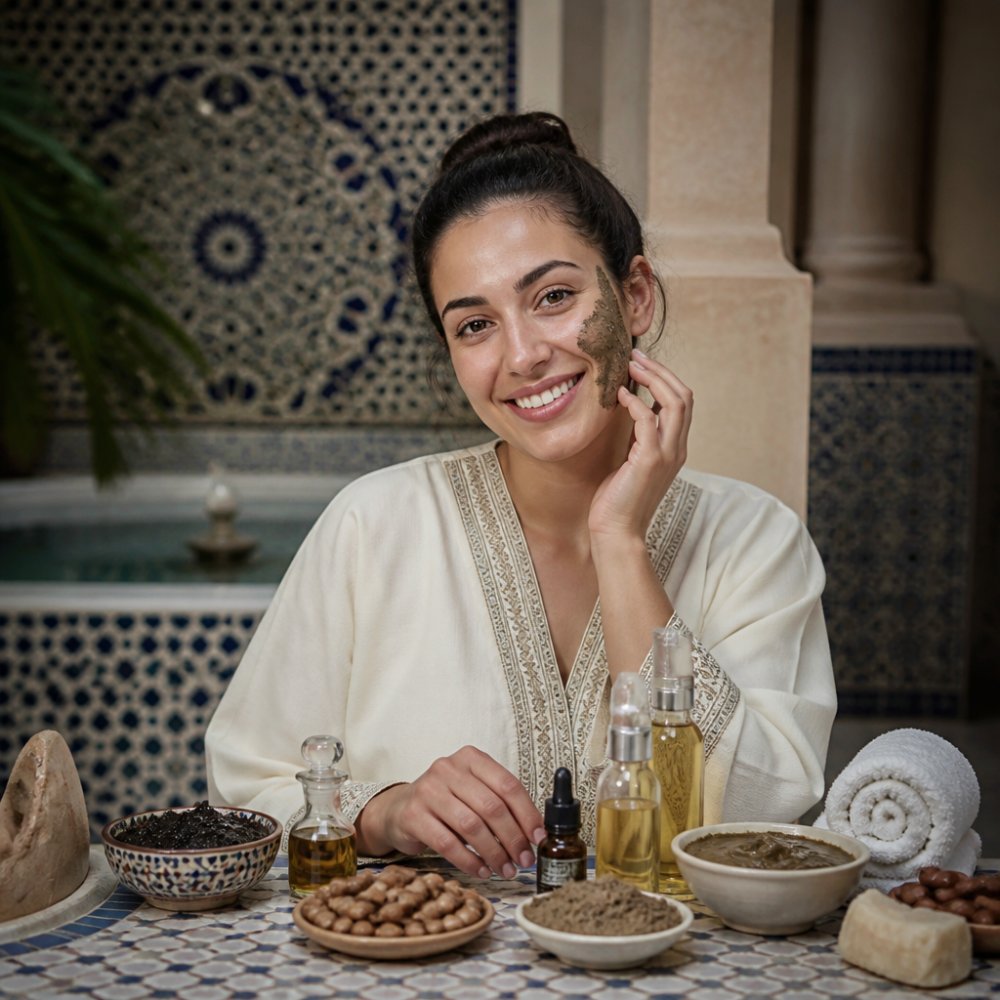
 how-to
DIY Moroccan Skincare Routine for Dry Skin
Table of Contents
- Understanding the Moroccan Hammam Ritual for Dry Skin
- Essential Moroccan Skincare Ingredients and Their Roles
- Best Anti-Aging Oils for Face in Your Routine
- Benefits of Argan Oil for Dry Skin
- How to Use Ghassoul Clay for Face
- Step-by-Step Daily Routine for Dry Skin
- Ingredient Safety, Patch Testing, and Sourcing
- Common Mistakes to Avoid
- Frequently Asked Questions
Last Updated: September 4, 2026
Understanding the Moroccan Hammam Ritual for Dry Skin
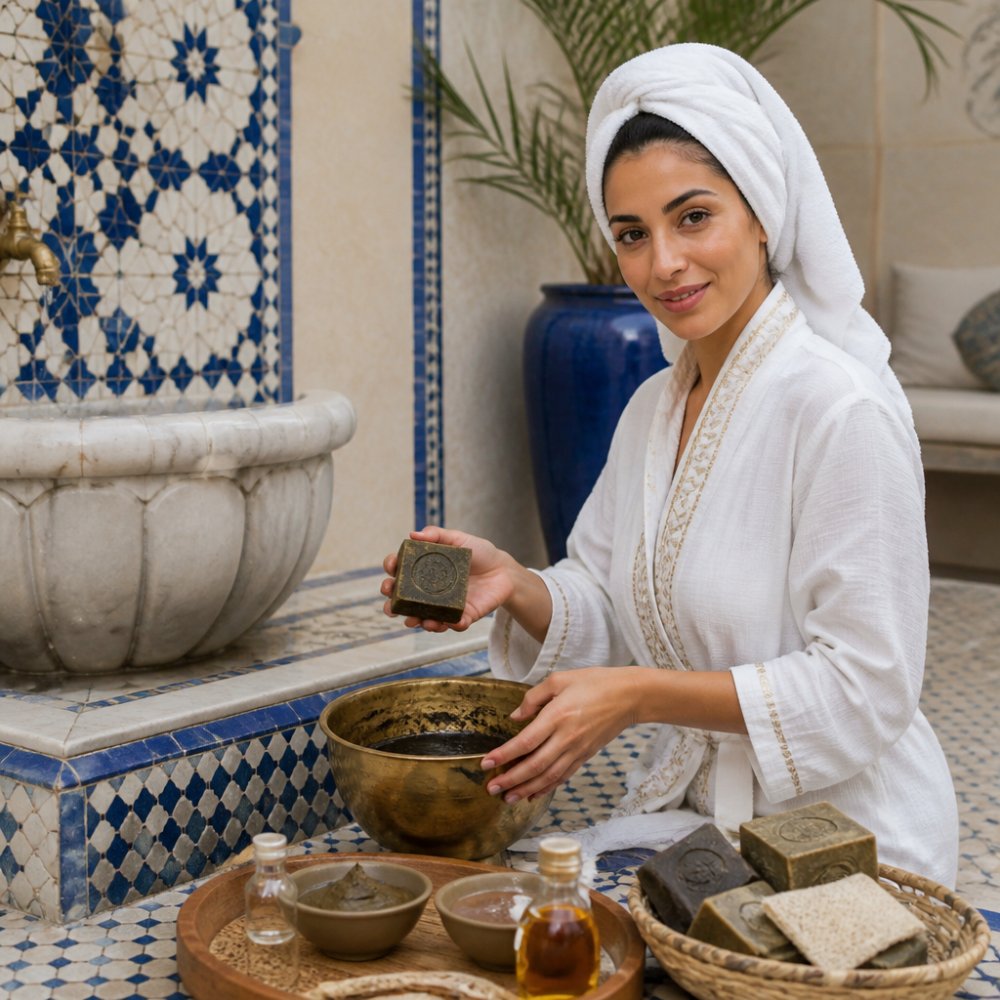
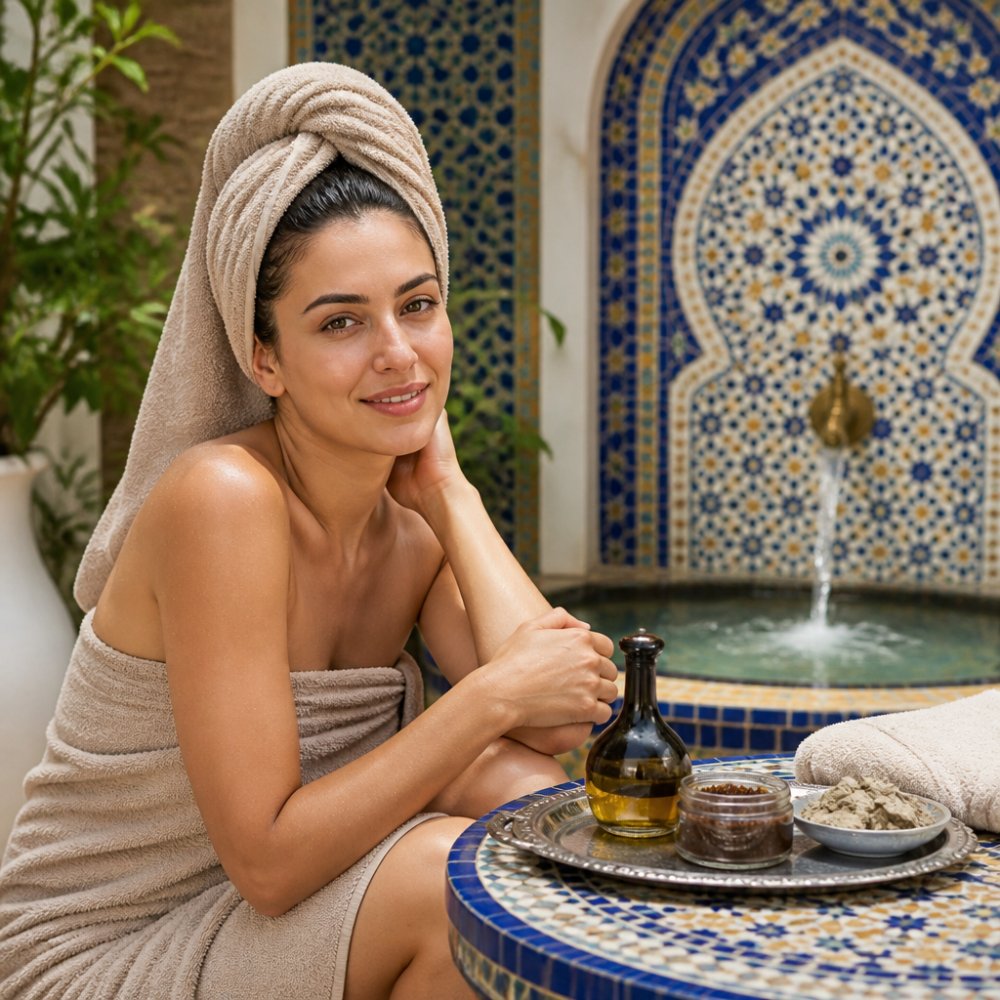
The Moroccan hammam ritual is a centuries-old cleansing and rejuvenation practice that transforms how your skin absorbs moisture and nutrients. Rather than a quick shower, the hammam involves steam exposure followed by vigorous exfoliation with traditional tools, creating the ideal environment for deep hydration. For dry skin, this ritual addresses a fundamental problem: dead skin cells create a barrier that prevents moisturizers from penetrating effectively. The heat opens your pores and softens accumulated buildup, making the subsequent steps far more effective.
Understanding this ritual's mechanics helps you replicate its benefits at home. The process isn't just about cleansing, it's about preparing your skin to receive nourishment. Steam treatment increases blood flow to your face, which enhances nutrient delivery to deeper skin layers. This preparation is what makes the difference between a basic skincare routine and one that effectively addresses visible signs of aging and dryness.
You don't need a traditional hammam to experience these benefits. A 10-15 minute steam session using hot water and a towel creates similar conditions. The key is consistency and proper layering afterward, which we'll cover in the step-by-step routine section.
Essential Moroccan Skincare Ingredients and Their Roles
Moroccan beauty traditions rely on a specific set of botanical ingredients, each with distinct properties for addressing dry skin. These aren't random selections, they've been refined over generations because they work synergistically. Understanding what each ingredient does helps you build a routine that addresses your skin's actual needs rather than following generic advice.
Argan Oil: The Foundation of Moroccan Beauty
Argan oil is the cornerstone of Moroccan skincare, derived from the kernels of the argan tree native to the region. This oil contains essential fatty acids and vitamin E, which work together to restore your skin's natural lipid barrier, the protective layer that prevents moisture loss. For dry skin, a compromised barrier is the root cause of persistent tightness and flaking.
Cold-pressed argan oil retains its full nutrient profile, making it significantly more effective than refined versions. Apply it to damp skin after cleansing to lock in moisture. Many people make the mistake of using it on completely dry skin, which reduces its penetration. The damp surface allows the oil to bind with water molecules and seal them into your skin's deeper layers.
Ghassoul Clay and Deep Cleansing
Ghassoul clay (also spelled rhassoul) is a mineral-rich clay that cleanses without stripping your skin's natural oils. Unlike harsher clays that leave dry skin feeling even more parched, ghassoul gently removes impurities while maintaining your skin's pH balance. It contains silica, magnesium, and potassium, minerals that support skin elasticity and reduce inflammation.
Mix ghassoul with rose water to create a paste, then apply for 10-15 minutes. The clay will dry slightly on your face, signaling that it's drawing out toxins and dead skin cells. Rinse with lukewarm water, never hot. This ingredient is particularly valuable for dry skin because it cleanses the pore without over-drying, preparing your skin for the hydrating steps that follow.
Rose Water and Black Soap
Rose water functions as both a toner and a hydration booster. It balances your skin's pH after cleansing and contains natural antioxidants that reduce redness and irritation. For dry skin prone to sensitivity, rose water's gentle nature makes it an ideal bridge between cleansing and treatment products.
Black soap (Beldi soap) is a traditional paste-like cleanser made from olive oil and ground olives. It's exceptionally mild and leaves a nourishing layer on your skin rather than a stripped, tight feeling. Use it during your steam phase when your pores are open, allowing it to penetrate and cleanse deeply without harsh scrubbing.
Best Anti-Aging Oils for Face in Your Routine
The best anti-aging oils for face work by addressing the underlying cause of visible aging in dry skin: dehydration and loss of elasticity. Argan oil leads this category because it combines hydration with skin-firming properties. Vitamin E in argan oil protects against free radical damage, which accelerates visible aging. The fatty acids restore your skin barrier, reducing the fine lines that appear when skin is chronically dehydrated.
Rosehip oil is another powerful option, rich in retinoids and vitamin C, which support collagen production and skin renewal. Jojoba oil mimics your skin's natural sebum, making it an excellent choice if you're concerned about products feeling heavy. The key is selecting oils that match your skin's needs rather than using multiple oils simultaneously, which can overwhelm your system.
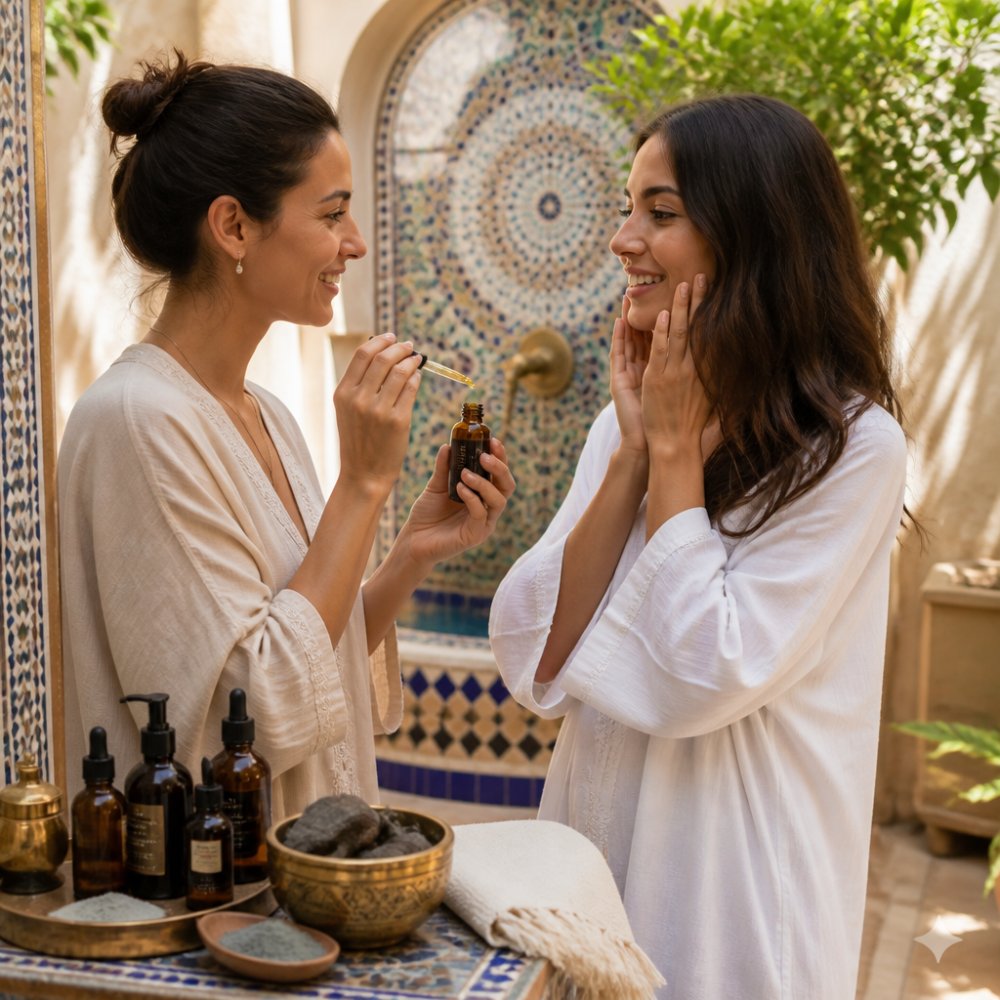
Apply facial oils to damp skin in thin layers. This prevents them from sitting on the surface and feeling greasy. Many people abandon oils because they've applied them incorrectly, to completely dry skin, in excessive amounts. The proper technique transforms how your skin responds.
Benefits of Argan Oil for Dry Skin
The benefits of argan oil for dry skin extend beyond simple moisture. This oil actively repairs your skin barrier, which is the mechanism behind visible improvements in texture and elasticity. When your barrier is compromised, moisture evaporates rapidly from your skin's surface. Argan oil seals that barrier, allowing hydration to accumulate over time.
Consistent use of argan oil reduces the appearance of fine lines because hydrated skin plumps slightly, making creases less visible. It also supports your skin's natural healing, which accelerates the fading of dry patches and rough texture. Many users report that after consistent application, their skin feels softer and looks noticeably more radiant.
The antioxidants in argan oil, particularly vitamin E and polyphenols, protect your skin from environmental damage that accelerates aging. This protective layer is especially important if you spend time outdoors or live in a dry climate where environmental stress compounds your skin's moisture loss.
How to Use Ghassoul Clay for Face
Using ghassoul clay correctly ensures you get cleansing benefits without the dryness that comes from misapplied clay masks. Mix one tablespoon of ghassoul powder with enough rose water to create a paste with a yogurt-like consistency. The rose water addition is crucial, it provides hydration while the clay works.
Apply the paste to clean, damp skin, avoiding the eye area. Leave it on for 10-15 minutes as it dries. You'll feel a gentle tightening as the clay draws out impurities. Rinse thoroughly with lukewarm water, using your fingertips to gently massage as you rinse, which removes dead skin cells loosened by the clay.
Follow immediately with a hydrating toner or rose water, then apply your facial oil while your skin is still slightly damp. This sequence prevents the clay from leaving your skin feeling tight. Use ghassoul once or twice weekly, depending on how your skin responds. Some people see benefits weekly; others find twice monthly sufficient.
Step-by-Step Daily Routine for Dry Skin
Building a diy moroccan skincare routine for dry skin requires understanding the order in which products work most effectively. Layering matters because each step prepares your skin for the next one. This routine takes approximately 10 minutes morning and evening.
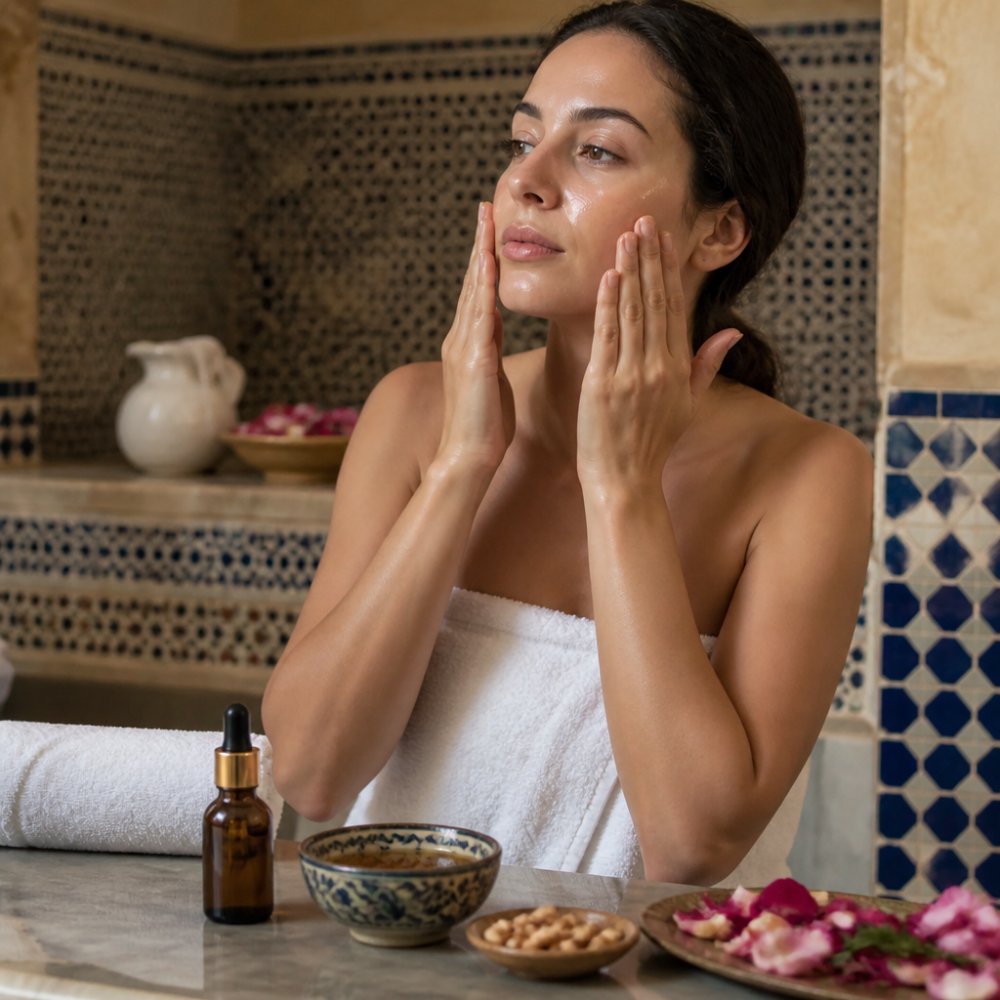
Morning Skincare Routine
Start your morning with a gentle cleanse using black soap or a mild cleanser. Wet your face with lukewarm water, apply a small amount of black soap, and massage gently for 30 seconds. Rinse thoroughly with lukewarm water.
Contact Us for Personalized Spa Packages →
Apply rose water with a cotton pad or by misting directly onto your face. This balances your pH and prepares your skin for treatment products. While your skin is still damp, apply a few drops of argan oil, pressing gently into your skin rather than rubbing. The damp surface ensures the oil penetrates rather than sitting on top.
Allow the oil to absorb for 2-3 minutes before applying any additional products like sunscreen. This morning routine takes about 5 minutes and establishes hydration for the day ahead.
Evening Skincare Routine
Your evening routine is more involved because your skin has time to absorb intensive treatments. Begin by steaming your face for 10 minutes. Fill a bowl with hot water, drape a towel over your head, and position your face 6-8 inches above the water. This opens your pores and softens dead skin cells.
After steaming, apply black soap or a gentle cleanser with damp hands, massaging for 30-45 seconds. Rinse with lukewarm water. Apply ghassoul clay mask mixed with rose water, leave for 12-15 minutes, then rinse gently. Pat your skin dry, don't rub.
While your skin is still slightly damp, apply rose water, then follow with argan oil. Use slightly more oil in the evening than the morning since you're not applying sunscreen afterward. This evening routine takes about 25-30 minutes but delivers significant results when done consistently.
| Step | Morning | Evening |
|---|---|---|
| Cleanse | Black soap, 30 sec | Black soap, 30-45 sec |
| Tone | Rose water | Rose water |
| Treat | Argan oil | Ghassoul clay (2x weekly) + Argan oil |
| Duration | 5 minutes | 25-30 minutes |
Ingredient Safety, Patch Testing, and Sourcing
Before introducing any new ingredient to your routine, perform a patch test on a small area of your inner arm or behind your ear. Apply a small amount, wait 24 hours, and watch for redness, itching, or irritation. Even natural ingredients can trigger reactions in sensitive individuals, particularly if you've had allergic responses to skincare products in the past.
Sourcing matters significantly because product quality directly impacts results. Cold-pressed argan oil from reputable suppliers contains more active compounds than refined versions. When selecting products, look for certifications indicating organic sourcing and minimal processing. Renaissance de Beaute Argan Treatments sources authentic Moroccan ingredients directly, ensuring purity and potency that mass-market alternatives often lack.
Verify that ghassoul clay is genuine mineral clay, not diluted with fillers. Authentic ghassoul has a smooth, fine texture and comes from the Atlas Mountains region. If a product is extremely inexpensive, it likely contains additives that reduce its effectiveness and may irritate sensitive skin.
Store argan oil and rose water in dark glass bottles away from direct sunlight and heat. These ingredients degrade when exposed to light and temperature fluctuations, losing their beneficial compounds. Proper storage extends shelf life and maintains the potency that makes your routine effective.
Common Mistakes to Avoid
The most common mistake is applying products to completely dry skin. Moisture needs a damp surface to penetrate effectively. This single error undermines an otherwise solid routine. Always apply your treatment oils and serums to skin that's still slightly damp from cleansing or toning.
Overusing clay masks creates the opposite problem you're trying to solve. Using ghassoul more than twice weekly strips your skin's natural oils, triggering increased dryness. Start with once weekly and adjust based on how your skin responds. Some people's skin thrives with weekly masks; others need only monthly applications.
Skipping the steam phase reduces the effectiveness of your entire routine. Steam isn't optional, it's the preparation that allows everything else to work. Without it, your pores remain closed and products sit on the surface rather than penetrating. Even a 5-minute steam makes a measurable difference.
Using hot water instead of lukewarm water damages your skin barrier further. Hot water strips away natural oils and causes inflammation, which intensifies dryness. This seems counterintuitive when you're steaming, but the steam is brief and controlled, while washing with hot water is prolonged and damaging.
Applying oils in excessive amounts creates a barrier that prevents absorption rather than enhancing it. A few drops spread across your face is sufficient. More product doesn't mean better results, it means wasted product and a greasy feel that discourages consistency.
Building a diy moroccan skincare routine for dry skin addresses the root causes of persistent dryness rather than masking symptoms. The combination of steam, gentle cleansing, mineral-rich clay, and nourishing oils creates conditions where your skin can genuinely heal and regenerate. Consistency matters more than perfection, a simple routine you follow daily outperforms an elaborate routine you abandon after two weeks.
If you're uncertain whether these ingredients will work for your specific skin concerns or have a history of severe sensitivity, consider reaching out to Renaissance de Beaute Argan Treatments for personalized treatment consultations that match your unique needs. The team can recommend specific products and application strategies tailored to your skin type, ensuring you get results rather than wasting time on approaches that don't address your particular challenges. Explore Renaissance Bath & Body Combos designed for comprehensive home spa experiences that replicate the transformative power of traditional Moroccan beauty rituals.
Frequently Asked Questions
What is the Moroccan skincare routine for dry skin?
A Moroccan skincare routine for dry skin combines traditional cleansing, exfoliation, and deep hydration using natural ingredients like argan oil, ghassoul clay, and rose water. The routine typically includes a gentle cleanse with black soap, exfoliation with a kessa glove, a clay treatment, and finishing with argan oil or botanical extracts. This approach addresses dryness by removing dead skin cells while infusing the skin barrier with moisture and fatty acids that restore elasticity and create a glowing, nourished complexion.
How often should I use ghassoul clay if I have dry skin?
For dry skin, use ghassoul clay once weekly or every 10 days. Ghassoul clay is gentler than many exfoliants and absorbs impurities without stripping moisture, making it suitable for sensitive skin. Always follow clay application with a hydrating mask or argan oil treatment to replenish the skin barrier. If your skin feels tight or irritated after treatment, reduce frequency to every two weeks and ensure you're layering a rich moisturizer immediately after.
Can argan oil really help with anti-aging and dry skin?
Yes. Argan oil contains fatty acids, vitamin E, and antioxidants that penetrate the skin barrier to restore hydration, improve skin elasticity, and reduce the appearance of fine lines. Cold-pressed argan oil is especially effective for dry skin because it's non-comedogenic and deeply nourishing without clogging pores. Regular use supports skin rejuvenation by strengthening the skin barrier and delivering long-lasting moisture. Consistent daily application, particularly when layered correctly in your routine, can lead to visible improvements.
Should I patch test Moroccan skincare products before using them?
Yes, patch testing is essential, especially if you have sensitive skin or a history of reactions. Apply a small amount of the product to your inner arm or behind your ear and wait 24-48 hours to check for redness, itching, or irritation. Even natural, authentic ingredients can trigger reactions in some individuals. Start with the gentlest product first (like rose water), then introduce stronger treatments like clay and oils gradually. If you're using prescription skincare alongside these products, consult your dermatologist to ensure compatibility.
Frequently Asked Questions
Q: What is the Moroccan skincare routine for dry skin?
A: A Moroccan skincare routine for dry skin combines traditional cleansing, exfoliation, and deep hydration using natural ingredients like argan oil, ghassoul clay, and rose water. The routine typically includes a gentle cleanse with black soap, exfoliation with a kessa glove, a clay treatment, and finishing with argan oil or botanical extracts. This approach addresses dryness by removing dead skin cells while infusing the skin barrier with moisture and fatty acids that restore elasticity and create a glowing, nourished complexion.
Q: How often should I use ghassoul clay if I have dry skin?
A: For dry skin, use ghassoul clay once weekly or every 10 days. Ghassoul clay is gentler than many exfoliants and absorbs impurities without stripping moisture, making it suitable for sensitive skin. Always follow clay application with a hydrating mask or argan oil treatment to replenish the skin barrier. If your skin feels tight or irritated after treatment, reduce frequency to every two weeks and ensure you're layering a rich moisturizer immediately after.
Q: Can argan oil really help with anti-aging and dry skin?
A: Yes. Argan oil contains fatty acids, vitamin E, and antioxidants that penetrate the skin barrier to restore hydration, improve skin elasticity, and reduce the appearance of fine lines. Cold-pressed argan oil is especially effective for dry skin because it's non-comedogenic and deeply nourishing without clogging pores. Regular use supports skin rejuvenation by strengthening the skin barrier and delivering long-lasting moisture. Consistent daily application, particularly when layered correctly in your routine, can lead to visible improvements.
Q: Should I patch test Moroccan skincare products before using them?
A: Yes, patch testing is essential, especially if you have sensitive skin or a history of reactions. Apply a small amount of the product to your inner arm or behind your ear and wait 24-48 hours to check for redness, itching, or irritation. Even natural, authentic ingredients can trigger reactions in some individuals. Start with the gentlest product first (like rose water), then introduce stronger treatments like clay and oils gradually. If you're using prescription skincare alongside these products, consult your dermatologist to ensure compatibility.