 listicle
Buy Organic Ghassoul Clay for Face: 5 Best Picks
Table of Contents
- Why Buy Organic Ghassoul Clay for Face
- How We Evaluated These Ghassoul Clay Products
- 1. Renaissance de Beaute Argan Treatments: Best Overall
- 2. Zakia's Morocco Ghassoul Rhassoul Clay: Best Bulk Value
- 3. Skalli Essentials Moroccan Ghassoul Clay Powder: Best for Versatility
- 4. Etsy Moroccan Ghassoul Rhassoul Clay Mask: Best Artisanal Option
- 5. Nature and Traditions Moroccan Ghassoul Clay: Best Budget Pick
- 6. Amazon Moroccan Ghassoul Clay Mask: Best for Targeted Skin Concerns
- How to Mix Ghassoul Clay Mask for Best Results
- Ghassoul Clay vs Bentonite Clay: Which Is Better for Face?
- Frequently Asked Questions
Last Updated: September 11, 2026
Why Buy Organic Ghassoul Clay for Face
If you want a gentle, mineral-rich way to reset dull or congested skin, organic ghassoul clay is one of the most traditional and effective options. This guide from Renaissance de Beaute Argan Treatments covers what to look for, how to use it, and which products are worth buying in 2026.
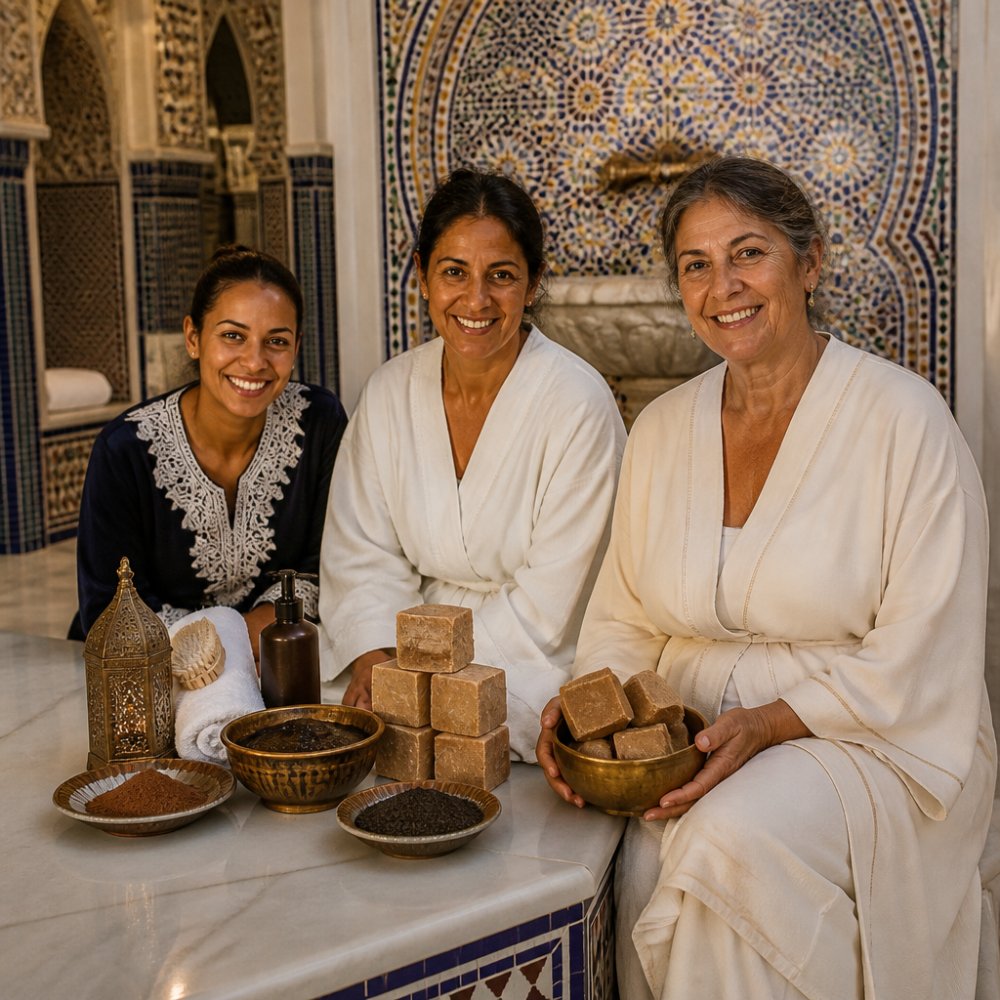
Ghassoul clay, also called Moroccan lava clay or rhassoul, is mined in the Atlas Mountains and has been used for centuries in Hammam rituals to detoxify skin, absorb impurities, and restore a radiant glow. Unlike harsher clays, it is gentle enough for regular facial treatments.
"Organic" matters because raw powder can carry contaminants; certified organic ghassoul is processed without synthetic additives, fragrance, or fillers, separating a spa-quality mask from a bargain bin powder.
Below, we'll show you how to buy organic ghassoul clay for face.
Quick Picks:
- Best Overall: Renaissance de Beaute Argan Treatments, pure organic ingredients and authentic Hammam-inspired quality
- Best Bulk Value: Zakia's Morocco Ghassoul Rhassoul Clay, 16 oz of fragrance-free purity
- Best Budget Pick: Nature and Traditions Moroccan Ghassoul Clay, minimal ingredients at a low price
How We Evaluated These Ghassoul Clay Products
We judged every product on five factors: ingredient purity, mineral content, sourcing transparency, value per ounce, and real-world performance.
Purity came first: a genuine organic ghassoul clay should list one ingredient, raw Moroccan lava clay. Anything with added fragrance, preservatives, or "proprietary blends" was marked down. Mineral composition mattered next; the best ghassoul is rich in silica, magnesium, and potassium, the trio behind its detoxifying and skin-elasticity benefits.
We also weighed practicality: a 16 oz tub is only generous if the powder mixes smoothly rather than clumping. Packaging, resealability, and how easily each product forms a paste factored into our rankings.
Finally, we considered who each product suits: a budget buyer wanting pure, no-frills ingredients has different needs than someone chasing a spa-quality at-home Hammam experience.
| Product | Size | Best For | Key Feature | Price |
|---|---|---|---|---|
| Renaissance de Beaute | Varies | Overall quality | Organic Moroccan sourcing | Check site |
| Zakia's Morocco | 16 oz | Bulk buyers | Fragrance-free, pure | $17.99 |
| Skalli Essentials | Varies | Face and hair | Fine, versatile powder | $14.39 |
| Etsy Artisanal Mask | 4 oz | Small-batch fans | Gentle exfoliation | $20.00 |
| Nature and Traditions | Varies | Budget buyers | 100% pure mineral mud | $5.70 |
| Amazon Clay Mask | 8 oz | Targeted concerns | Acne and dryness focus | Varies |
1. Renaissance de Beaute Argan Treatments: Best Overall
For anyone who wants to buy organic ghassoul clay for face without compromising on authenticity, Renaissance de Beaute Argan Treatments builds its collection around traditional Hammam-inspired purification, with ghassoul at the center.
What sets it apart is sourcing: pure organic healing ingredients from Morocco, paired with authentic Argan Oil and Beldi Black Soap to recreate a full spa-quality ritual at home. The ghassoul handles deep cleansing and detoxification while the argan oil supports skin, scalp, and hair revitalization.
It's a premium pick for people who want the full ritual rather than a single jar of powder.
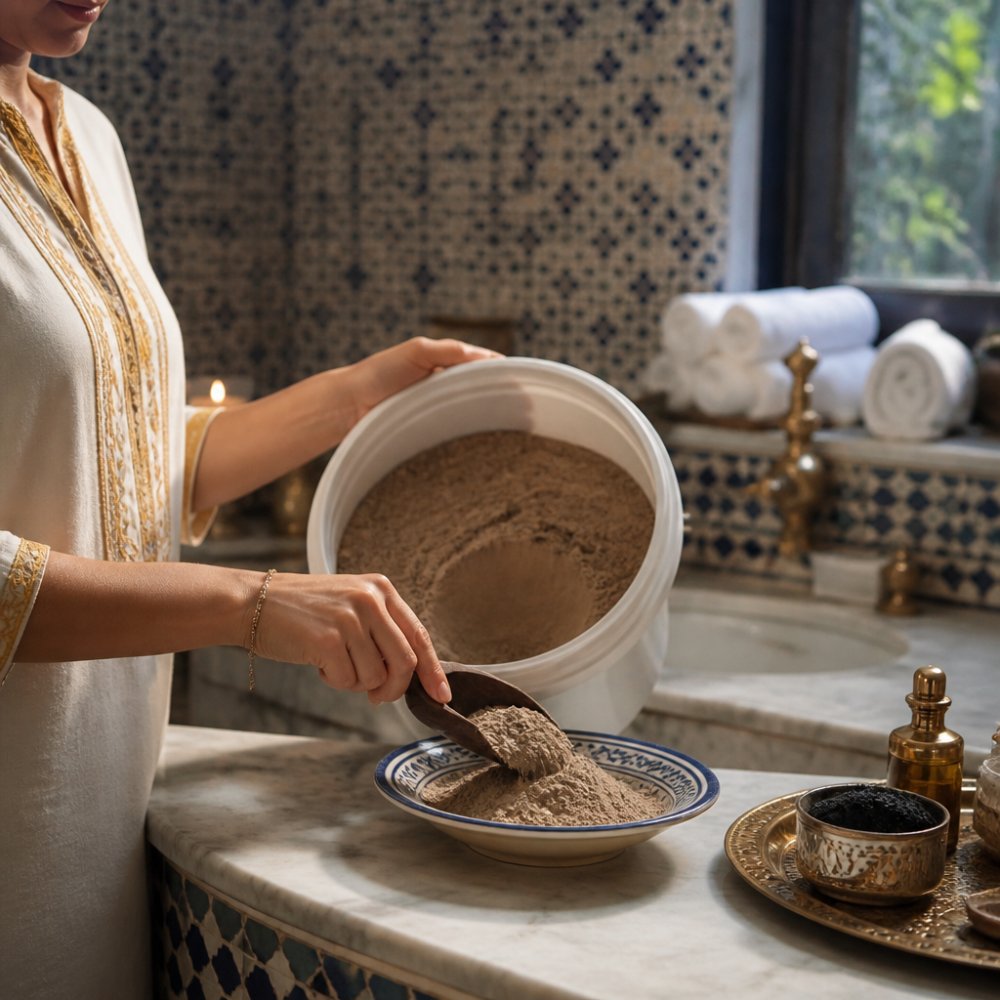
2. Zakia's Morocco Ghassoul Rhassoul Clay: Best Bulk Value
3. Skalli Essentials Moroccan Ghassoul Clay Powder: Best for Versatility
Skalli Essentials positions its powder as a multi-purpose clay for face and hair, and the fine consistency makes that claim hold up. It mixes easily with water or floral water into a smooth paste, the biggest frustration point with cheaper ghassoul.
At roughly $14.39, it's competitively priced for the quality, and the mineral-rich formula supports skin purification and a radiant glow through deep cleansing. The drawback: it requires manual mixing, so if you want a ready-made mask, this isn't it.
Contact Us for Personalized Spa Packages →
4. Etsy Moroccan Ghassoul Rhassoul Clay Mask: Best Artisanal Option
Small-batch buyers gravitate toward this 4 oz artisanal mask, priced around $20.00. It gently exfoliates dead skin cells and balances excess oil, suiting oily and acne-prone skin, and is gentle enough for scalp use without a separate product.
The limitation is quantity: four ounces won't last long with weekly masking, and the price per ounce is the highest here. You're paying for artisanal sourcing and small-batch handling, not volume.
5. Nature and Traditions Moroccan Ghassoul Clay: Best Budget Pick
Nature and Traditions offers a 100% pure mineral mud for around $5.70, the lowest entry point here. It's eco-friendly in sourcing and packaging, with a minimalist ingredient profile: just raw clay.
The catch is logistics: depending on origin, international shipping may apply and change the final cost. If you prioritize pure, no-frills ingredients and don't mind waiting, this is the value play.
6. Amazon Moroccan Ghassoul Clay Mask: Best for Targeted Skin Concerns
The 8 oz Amazon-listed mask targets acne, eczema, and psoriasis symptoms alongside signs of aging, making it the pick for stubborn skin complaints. Mineral enrichment supports skin elasticity, and the larger container suits frequent use.
The real caveat is quality variance: multiple third-party sellers list similar products, so the formula can differ batch to batch. Check seller ratings and recent reviews, and confirm the listing specifies pure ghassoul rather than a blended mask.
How to Mix Ghassoul Clay Mask for Best Results
Getting the mixing ratio right separates a smooth, effective paste from a gritty, drying mess. Start with one part ghassoul powder to one and a half parts liquid by volume, two tablespoons of powder to three of liquid is a reliable single-face application.
Use a non-metal bowl and a wooden, plastic, or silicone spoon, since metal can react with the clay's minerals and leave a metallic note. Add liquid gradually, ghassoul absorbs fast, and thinning a paste is easier than thickening one.
Liquid Pairings by Skin Type
The liquid you choose changes what the mask does.
- Dry or mature skin: rose water, aloe vera juice, or a splash of whole milk. The fat and humectants slow the clay's drying time and leave the barrier less tight.
- Oily or congested skin: plain warm water, witch hazel, or cooled green tea. These add astringent and antioxidant support without extra oil.
- Acne-prone skin: apple cider vinegar diluted 1:1 with water. The acidity can help with surface bacteria, but never apply undiluted vinegar, it will sting and disrupt the barrier.
- Sensitive or reactive skin: plain warm water only, plus a teaspoon of colloidal oatmeal or honey stirred in to buffer the clay.
- Dull or uneven tone: a teaspoon of raw honey or a few drops of argan oil whisked into the paste for a softer, more conditioning finish.
A few drops of essential oil, lavender, tea tree, or chamomile, can add scent or targeted support, but keep it to two or three drops per mask; more is not better on facial skin.
Step-by-Step Application
- Cleanse and gently pat skin dry. Clay cannot pull impurities through a layer of makeup or sunscreen.
- Mix the paste fresh. Ghassoul loses potency once hydrated, so make only what you will use in one sitting.
- Apply an even layer about the thickness of a credit card, avoiding the eye area, lips, and any broken skin.
- Leave it on for 10 to 15 minutes. Set a timer.
- Rinse with warm water in circular motions to get a gentle exfoliation as you remove it. A soft washcloth helps with stubborn patches.
- Follow immediately with a moisturizer or a few drops of argan oil while skin is still damp.
Storing Your Clay So You Do Not Waste It
Dry ghassoul powder keeps a long time if protected from moisture. Transfer it to an airtight glass jar, keep it out of the steamy bathroom, and store it in a cool, dark cabinet with a silica packet to absorb humidity.
Never store pre-mixed paste: once water hits the powder, bacteria take hold, and a day or two in the fridge is the outer limit, most practitioners mix fresh each time. If your powder has clumped into hard rocks, it has taken on moisture and should be replaced.
How Often to Mask
Once or twice a week is plenty for most skin types. Oily skin can tolerate twice weekly; dry or sensitive skin often does better with once a week or every ten days. Overuse strips the barrier and can trigger the oiliness and irritation you're trying to fix, so cut back if skin feels tight or looks flushed.
How to Use Ghassoul Clay for Face Detox
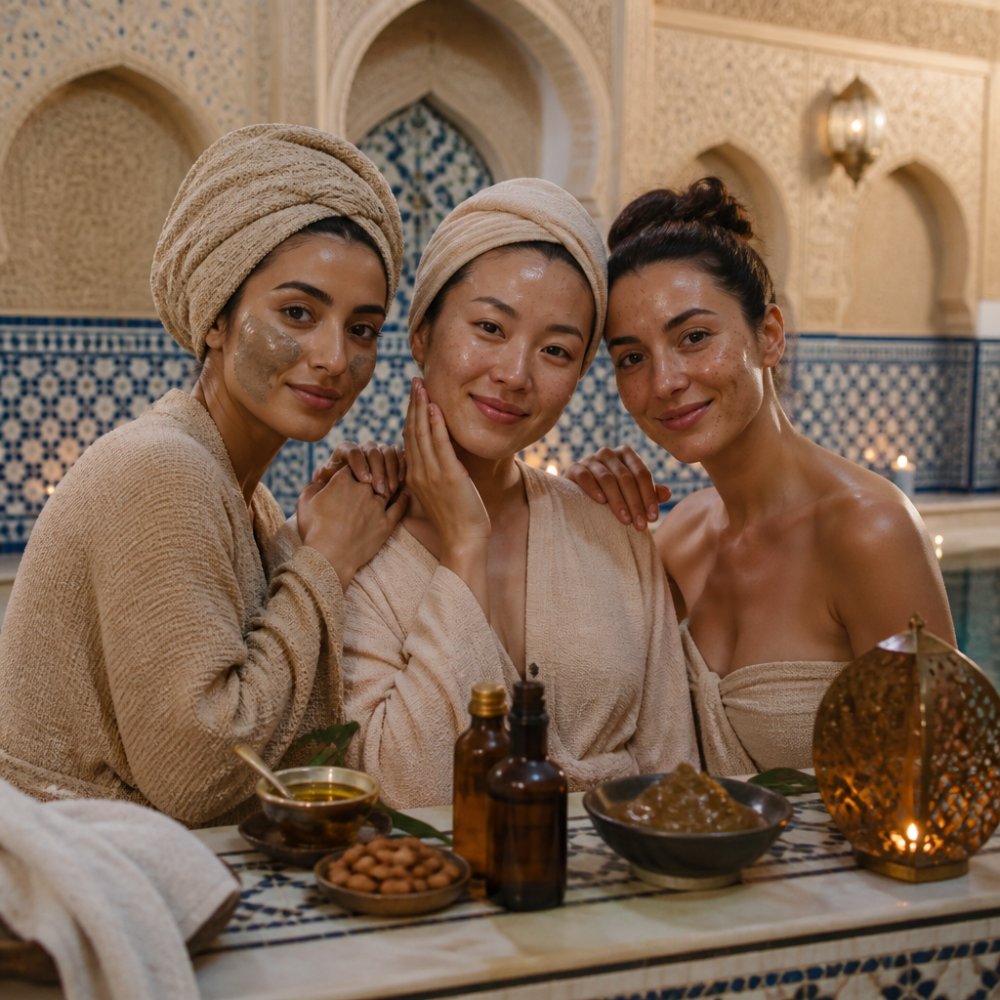
A face detox with ghassoul clay follows a simple weekly rhythm: cleanse, apply a thin layer of the mixed paste, and leave it 10 to 15 minutes before rinsing.
Contact Us for Personalized Spa Packages →
For a deeper detox, steam your face for a few minutes first, warm steam opens pores so the clay absorbs impurities more effectively. Follow with a light moisturizer or a few drops of argan oil to replenish the barrier.
Ghassoul Clay vs Bentonite Clay: Which Is Better for Face?
Ghassoul clay is gentler and better suited to dry or sensitive skin, while bentonite is stronger and better for very oily, acne-prone skin. The choice comes down to how much oil your skin produces and how reactive your barrier is.
Why They Behave Differently
The difference comes down to charge and structure. Both clays carry a negative surface charge that attracts positively charged impurities like excess sebum, dirt, and some bacteria. Bentonite's higher negative charge and swelling, plate-like structure let it bind and pull out more oil and debris, which is why it can leave skin stripped. Ghassoul's mineral profile, rich in silica, magnesium, and potassium, cleanses while supporting elasticity, so it is less likely to irritate.
There is also a pH difference: bentonite sits higher on the pH scale, which can disrupt compromised skin, while ghassoul is closer to skin's natural pH, part of why it is the traditional choice for regular facial use in Hammam rituals.
Side-by-Side Comparison
| Factor | Ghassoul (Rhassoul) | Bentonite |
|---|---|---|
| Strength | Gentle to moderate | Strong |
| Best for | Dry, sensitive, normal, combination skin | Very oily, congestion-prone skin |
| Draws out oil | Moderate | High |
| Risk of over-drying | Lower | Higher |
| Texture when mixed | Smooth, creamy | Thicker, can be gritty |
| Typical use frequency | 1-2 times per week | Every 1-2 weeks |
| Hair and scalp use | Yes, traditional | Yes, but more drying |
How to Choose
If bentonite has felt too harsh, tightness, redness, or flaking, ghassoul is the natural next step. If your skin is extremely oily and congestion-prone with no irritation from strong clays, bentonite may deliver faster results on active breakouts.
A useful rule: match the clay to your barrier, not just your oil level. Oily but reactive skin often does better with ghassoul used more frequently than bentonite used rarely, while a resilient, very oily T-zone can rotate both.
What About Kaolin and Other Clays?
For completeness, kaolin is the mildest of the three and is often blended into sensitive-skin masks. It cleanses lightly but does little for stubborn congestion. If ghassoul still feels like too much, kaolin is the gentler fallback, though most people find ghassoul sits in a comfortable middle ground kaolin cannot match for detox results.
If you would rather not build a full routine from scratch, Renaissance de Beaute offers Treatment Consultations to help match products to your skin, and their Renaissance Bath & Body Combos bundle ghassoul-style rituals into a ready-made set. You can also browse single items directly through the Renaissance Online Shop.
Frequently Asked Questions
Is rhassoul clay good for the face?
Yes. Rhassoul clay, also called ghassoul, is rich in silica, magnesium, and potassium. These minerals help absorb impurities, balance sebum, and gently exfoliate. It is suitable for most skin types, including sensitive and acne-prone skin, when used correctly. For best results, mix it with water or floral water and apply a thin layer once or twice a week.
What is Ghassoul clay used for?
Ghassoul clay is used for deep cleansing, detoxifying, and purifying the skin and hair. It draws out dirt, oil, and toxins from pores. You can use it as a facial mask, a scalp treatment, or a body wrap. Many people also use it to soothe eczema and psoriasis symptoms. It is a staple in traditional Moroccan hammam rituals.
Which clay is best for aging skin?
Ghassoul clay is excellent for aging skin because it is rich in silica, which supports skin elasticity and collagen. Unlike harsher clays, it cleanses without stripping natural oils. Bentonite clay is more absorbent and can be too drying for mature skin. For aging skin, look for organic ghassoul clay and mix it with hydrating ingredients like argan oil or honey.
What are the side effects of rhassoul clay?
Side effects are rare but can include dryness or irritation if left on too long or used too often. Always do a patch test first. Avoid using metal utensils when mixing, as they may reduce the clay's effectiveness. If you have sensitive skin, start with once a week. Discontinue use if redness or itching occurs.
How often should you use a ghassoul clay mask?
For most skin types, use a ghassoul clay mask once or twice a week. Oily skin can handle two to three times weekly, while dry or sensitive skin should stick to once a week. Overuse can lead to dryness or irritation. Listen to your skin and adjust frequency based on how it feels after each use.