 listicle
Best Organic Oils for Mature Skin: A 2026 Guide
Table of Contents
- Why Your Skin Barrier Changes with Age (and How Oils Help)
- The Best Organic Oils for Mature Skin: Our Top Picks
- Feature Comparison: Top Organic Face Oils
- How to Apply Face Oil for Mature Skin
- The Benefits of Argan Oil for Aging Skin
- Building an Organic Facial Oil Routine
- Our Selection Criteria and Evaluation Method
- Which Organic Face Oil Should You Pick?
- Frequently Asked Questions
Last Updated: September 9, 2026
Mature skin loses roughly 1% of its collagen each year after age 40, thinning the skin barrier and weakening the lipid matrix that holds moisture. This is precisely where the best organic oils for mature skin earn their reputation: they deliver the fatty acids, antioxidants, and phytonutrients aging skin can no longer manufacture.
Your skin does not need more water; it needs the lipids to hold that water in. Organic facial oils function as a barrier-repair strategy.
Why Your Skin Barrier Changes with Age (and How Oils Help)
The lipid barrier of mature skin becomes depleted in ceramides and essential fatty acids, particularly linoleic acid, which accelerates transepidermal water loss and leaves skin looking parched no matter how much moisturizer you apply. Plant oils rich in linoleic acid and oleic acid help restore that compromised matrix, improving skin elasticity and reducing the appearance of fine lines.
Hydration refers to water content within skin cells; moisturization refers to the oil-based barrier that prevents water from escaping. Mature skin loses both, but the oil deficit is what most creams fail to address.
The Best Organic Oils for Mature Skin: Our Top Picks
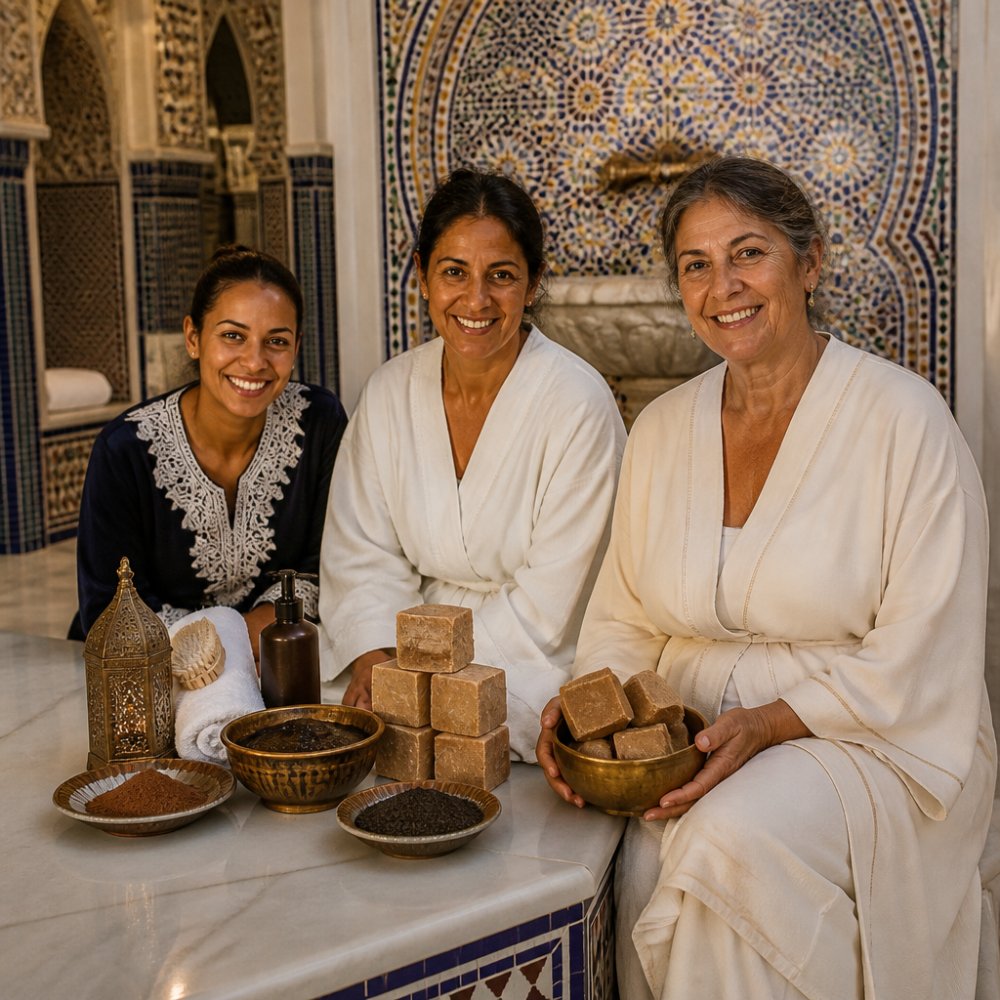
Renaissance de Beaute Argan Treatments offers 100% pure organic Argan Oil from Morocco, using traditional cold-pressing methods. It contains high levels of vitamin E and essential fatty acids, supporting skin barrier repair without clogging pores.
Biossance 100% Sugarcane Squalane Oil
Biossance offers a weightless, plant-derived squalane oil that mimics the skin's natural moisture, improving elasticity and bounce. At $34.00, it is an accessible entry point. The drawback: extremely dry mature skin may find it too lightweight for deep, lasting nourishment.
Tata Harper Retinoic Nutrient Face Oil
Tata Harper delivers a luxury treatment oil at $132.00, formulated with natural retinoic acid from rosehip seed oil to target fine lines and wrinkles without synthetic chemicals. The premium price point is the sole barrier for budget-conscious shoppers.
Kora Organics Noni Glow Face Oil
Kora Organics combines Noni fruit extract, rosehip oil, and pomegranate oil in a certified organic formula designed to soothe, brighten, and deeply moisturize. At $75.00, it delivers a radiant glow while calming inflammation. The catch: it contains essential oils, so highly reactive skin should patch-test first.
The Ordinary 100% Organic Cold-Pressed Rose Hip Seed Oil
The Ordinary offers a minimalist, single-ingredient formula at just $10.90. Rich in linoleic acid and pro-vitamin A, it targets photo-aging and supports skin barrier function effectively. The tradeoff is a shorter shelf life, so buy small bottles and store them away from direct light.
Mountain Rose Herbs Tamanu Oil
Mountain Rose Herbs produces a therapeutic-grade tamanu oil at $17.00, cold-pressed and unrefined from organic, sustainable farms. Its fatty acid profile makes it exceptional for skin regeneration and soothing inflammation. The distinctive earthy scent is the main objection for those preferring fragrance-free options.
Scentuals Natural & Organic Argan Oil Blend
Scentuals combines argan, frankincense, rosehip, and jojoba oils at $28.00, creating a synergistic blend high in antioxidants and essential fatty acids. Availability is limited in some retail stores, so online ordering is the reliable route.
Feature Comparison: Top Organic Face Oils
| Product | Price | Key Fatty Acids | Best For | Notable Limitation |
|---|---|---|---|---|
| Renaissance de Beaute Argan Oil | See website | Oleic, linoleic, vitamin E | Barrier repair + spa ritual | Premium positioning |
| Biossance Squalane | $34.00 | Squalane | All-skin hydration | Too light for very dry skin |
| Tata Harper Retinoic | $132.00 | Rosehip, vitamin A | Intensive anti-aging | High price point |
| Kora Organics Noni | $75.00 | Rosehip, pomegranate | Brightening dull skin | Contains essential oils |
| The Ordinary Rose Hip | $10.90 | Linoleic acid | Budget anti-aging | Short shelf life |
| Mountain Rose Tamanu | $17.00 | Tamanu fatty acids | Skin regeneration | Earthy scent |
| Scentuals Argan Blend | $28.00 | Argan, jojoba, rosehip | Multi-oil nourishment | Limited retail presence |
How to Apply Face Oil for Mature Skin
Proper application is the difference between an oil that transforms your skin and one that just sits on the surface.
The 'Oil-Last' Rule for Most Mature Skin
The most common and effective method for mature skin is the 'oil-last' approach: water-binding humectants first, followed by an occlusive oil layer to seal them in.
Contact Us for Personalized Spa Packages →
- Cleanse: Use a gentle, non-foaming cleanser. Avoid hot water, which strips the already-depleted lipid barrier.
- Hydrate with Water-Based Serums: Apply serums containing hyaluronic acid, glycerin, or vitamin C. These draw water into the stratum corneum. Do not let them dry completely.
- Apply Your Face Oil: While your skin is still slightly damp, warm 3-5 drops of oil between your palms. This changes the viscosity and allows for even distribution without tugging delicate skin. Press the oil into your face and neck with a patting motion, moving upward and outward.
- Seal with a Moisturizer (Optional): For very dry mature skin, you can apply a light moisturizer over the oil to create a more substantial barrier. For most, the oil is the final step.
The 'Oil-First' Exception: When You're Using a Prescription Retinoid
If you are using a prescription retinoid like tretinoin or a high-potency vitamin A serum, the layering order changes. Applying an oil over your retinoid can dilute its potency and reduce its effectiveness.
In this case, use the 'oil-first' method:
- Apply your face oil to clean, damp skin.
- Wait 20-30 minutes for the oil to absorb.
- Apply your retinoid as the final step.
This creates a buffer that can help mitigate irritation, a common side effect of retinoids on mature skin, while still allowing the active ingredient to penetrate. Always follow your dermatologist's specific instructions, as some retinoids are formulated to be applied directly to dry skin.
Troubleshooting: Why Your Oil Pills
Pilling, those little balls of product that roll off your skin, is a sign of a layering conflict, not a bad oil. It occurs when you apply an oil over a serum that hasn't fully absorbed.
To prevent pilling:
- Wait 60 seconds between each layer to allow for proper absorption.
- Avoid silicone-heavy serums under your oil. Check for ingredients ending in '-cone' (e.g., dimethicone, cyclopentasiloxane).
- Use the patting method instead of rubbing or massaging the oil in.
The 'Skin Sandwich' for Maximum Absorption
For an intensive weekly treatment, try the 'skin sandwich' method:
- Apply a thin layer of your face oil.
- Follow with a water-based hydrating mask or a dampened cotton cloth soaked in a hydrating toner.
- Leave on for 10-15 minutes.
- Remove the mask and gently pat the remaining oil into your skin.
This technique forces hydration into the skin while the oil locks it in, providing a powerful plumping effect for mature skin that is prone to dehydration.
The Benefits of Argan Oil for Aging Skin
Argan oil is often called 'liquid gold' for good reason, but its benefits are best understood through its specific fatty acid composition.
The Fatty Acid Profile: Why Argan is Different
The efficacy of any facial oil for mature skin comes down to its ratio of oleic acid (a monounsaturated omega-9) to linoleic acid (a polyunsaturated omega-6).
- Linoleic Acid: This is a key component of the skin's ceramide barrier. Mature skin often shows a decrease in linoleic acid, leading to a compromised barrier and increased transepidermal water loss. Oils high in linoleic acid (like rosehip or sunflower) are excellent for repairing this damage.
- Oleic Acid: This acid is more occlusive. It sits on the surface and prevents water loss, but it can be less compatible with skin that is already deficient in linoleic acid.
Argan oil's unique strength lies in its balanced composition: it contains roughly 42-48% oleic acid and 33-38% linoleic acid. This near-1:1 ratio is closer to human sebum than many other plant oils, allowing it to penetrate the stratum corneum effectively without leaving a greasy residue.
Beyond Fatty Acids: The Power of Phytosterols and Squalene
Argan oil's anti-aging benefits extend beyond its fatty acid content. It is rich in:
- Tocopherols (Vitamin E): Argan oil contains two to three times more vitamin E than olive oil. Vitamin E is a potent antioxidant that neutralizes free radicals, unstable molecules that break down collagen and elastin, leading to fine lines and sagging.
- Phytosterols: These plant compounds have demonstrated anti-inflammatory properties. Chronic, low-grade inflammation (often called 'inflammaging') is a major driver of premature aging. By calming this inflammation, argan oil helps protect the skin's structural integrity.
- Squalene: This is a precursor to squalane, a component of human sebum that decreases significantly with age. Topical application of argan oil helps replenish this natural moisturizing factor.
Argan Oil vs. Other Oils for Specific Mature Skin Concerns
To understand argan oil's place in a mature skin routine, it's helpful to compare it directly to other popular oils:
| Oil | Primary Fatty Acid | Best For | Why It Works for Mature Skin |
|---|---|---|---|
| Argan Oil | Oleic & Linoleic (balanced) | General barrier repair, elasticity | Its balanced ratio mimics sebum, making it a versatile, all-around choice for most skin types. |
| Rosehip Seed Oil | Linoleic Acid (high) | Photo-aging, scarring, dullness | High linoleic acid content is crucial for rebuilding the barrier and promoting cell turnover. It also contains natural trans-retinoic acid, a gentle vitamin A derivative. |
| Tamanu Oil | Oleic & Linoleic (with calophyllene) | Regeneration, inflammation, stressed skin | Contains calophyllene, a unique compound with strong anti-inflammatory and regenerative properties, ideal for soothing reactive mature skin. |
| Squalane (from Sugarcane) | Squalane (not a fatty acid) | Lightweight hydration, preventing water loss | It is a saturated hydrocarbon that is highly stable and mimics the skin's own moisture, making it excellent for sensitive, easily irritated skin. |
The Sourcing Factor: Cold-Pressed vs. Refined
The 'organic' label is only half the story; the extraction method determines whether the beneficial compounds survive.
- Cold-Pressed, Unrefined: This method involves mechanically pressing the argan nuts without heat or chemical solvents. It preserves the delicate vitamins, phytosterols, and antioxidants that make argan oil effective. Look for oils that are explicitly labeled 'cold-pressed' and 'unrefined.'
- Refined: Refined argan oil is often deodorized and bleached to create a lighter, more neutral product. This process, however, destroys most of the bioactive compounds, leaving behind a simple emollient with little to no anti-aging benefit.
When selecting an argan oil for mature skin, the label '100% pure' is not enough. You must verify that it is cold-pressed and unrefined.
Contact Us for Personalized Spa Packages →
Building an Organic Facial Oil Routine
An effective organic facial oil routine for mature skin follows a simple structure. In the morning, cleanse, apply vitamin C serum, then seal with a lightweight oil such as squalane or argan oil before sunscreen. In the evening, double cleanse, apply treatment serums, then finish with a richer oil like rosehip or tamanu.
Consistency outperforms intensity: using a moderate oil twice daily for six months yields better results than aggressive application once a week.
Our Selection Criteria and Evaluation Method
We evaluated each candidate against five criteria: ingredient purity, fatty acid profile, sourcing transparency, absorption rate, and visible improvement in skin elasticity over four weeks. Products with synthetic fragrance, mineral oil, or undisclosed extraction methods were eliminated immediately.
Sustainability factored into our scoring as well. Brands using renewable sourcing and transparent supply chains earned preference over those with opaque manufacturing practices. According to sustainability guidelines for cosmetic ingredient sourcing, consumers increasingly demand verifiable claims about where and how botanical ingredients are grown and harvested.
Which Organic Face Oil Should You Pick?
Renaissance de Beaute Argan Treatments offers pure, cold-pressed argan oil with a traditional Hammam ritual. The deep cleansing properties of Beldi Black Soap and the detoxifying action of Ghassoul prepare the skin to absorb the argan oil.
Budget-conscious shoppers should start with The Ordinary Rose Hip Seed Oil, which delivers solid anti-aging support at an accessible price. Those seeking intensive treatment can justify Tata Harper's premium formula. And if your skin is reactive or inflamed, Mountain Rose Herbs Tamanu Oil provides the gentlest regenerative support. As noted in cosmetic ingredient safety assessments by the FDA, always patch-test any new botanical oil, particularly if you have known allergies or are using prescription skincare.
The science is clear: organic facial oils rich in linoleic acid, vitamin E, and antioxidants genuinely support the aging skin barrier. The challenge is sourcing oils that preserve those compounds through careful extraction and honest supply chains. That is where cold-pressed oil quality standards become essential reading for anyone serious about natural anti-aging skincare.
Choosing the right organic oil for mature skin comes down to matching your skin's specific deficits with the correct fatty acid profile and ensuring the product you select is truly cold-pressed and unrefined. Renaissance de Beaute Argan Treatments delivers this through authentic Moroccan sourcing, pure organic ingredients, and a spa-quality ritual that revitalizes skin, scalp, and hair. Explore our Renaissance Online Shop to build your complete routine, or contact us for personalized spa packages to find the right combination for your skin. Get started with Renaissance de Beaute Argan Treatments and experience the radiant enhancement of your natural beauty.
Frequently Asked Questions
What is the best oil to use on aging skin?
The best organic oil for aging skin depends on your specific needs. Rosehip seed oil is rich in vitamin A and linoleic acid, making it excellent for cell turnover and reducing fine lines. Squalane, like the Biossance option, is a lightweight, non-comedogenic choice that mimics your skin's natural moisture for improved elasticity. For intense repair, tamanu oil is known for its skin-regenerating properties and is ideal for stressed or sensitive mature skin.
What is the best oil for aging skin over 50?
For aging skin over 50, look for richer oils that support the lipid barrier and combat dryness. Argan oil is a top choice due to its high content of vitamin E and essential fatty acids, which help improve elasticity and reduce inflammation. A blend like Scentuals, which combines argan, rosehip, and jojoba, offers a multi-faceted approach. You might also consider a retinol-infused night oil to target deeper wrinkles and texture.
How do you apply organic face oils for maximum absorption?
For maximum absorption, apply face oil to slightly damp skin. After cleansing and toning, warm 2-3 drops of oil between your palms and gently press it onto your face and neck. Use upward, sweeping motions rather than rubbing. This helps lock in hydration. Always apply oil as the final step of your routine, after water-based serums, to seal in their benefits and prevent transepidermal water loss.
Are organic oils better than synthetic serums for mature skin?
Organic oils offer unique benefits that synthetic serums often lack, primarily their complex blend of fatty acids, antioxidants, and phytonutrients that work synergistically. They are excellent for strengthening the skin barrier, reducing inflammation, and providing deep nourishment. However, synthetic serums can contain higher concentrations of specific active ingredients like peptides or stabilized vitamin C. Many find the best results come from using both: a water-based serum for targeted actives and an organic oil to seal it all in.
Can organic face oils help with fine lines and wrinkles?
Yes, organic face oils can help reduce the appearance of fine lines and wrinkles. Oils rich in antioxidants, like rosehip seed oil and argan oil, help neutralize free radical damage that accelerates aging. They also support collagen production and improve skin elasticity. Ingredients like bakuchiol, found in some oils, offer retinol-like benefits without irritation. While they won't erase deep wrinkles, consistent use can smooth texture and plump the skin, making lines less noticeable.