 ultimate-guide
Why Organic Argan Oil Is Expensive
Table of Contents
- Why Organic Argan Oil Is Expensive: The Core Factors
- The Argan Oil Extraction Process and Manual Labor
- How to Identify Authentic Argan Oil vs. Diluted Products
- Pure Argan Oil Benefits for Hair and Why Quality Justifies Cost
Last Updated: August 28, 2026
Why Organic Argan Oil Is Expensive: The Core Factors
Organic argan oil commands premium prices because true, unadulterated argan oil requires extraordinary effort to produce. The cost begins in semi-arid regions where argan trees grow slowly and demand intense labor to harvest. Each step, from cracking the kernel to extracting the oil, happens largely by hand with no industrial shortcut that preserves quality. The price reflects three interconnected realities: scarcity, labor, and vulnerability to adulteration. Understanding these factors explains why Renaissance de Beaute Argan Treatments prioritizes sourcing authentic, uncompromised ingredients.
The Argan Oil Extraction Process and Manual Labor
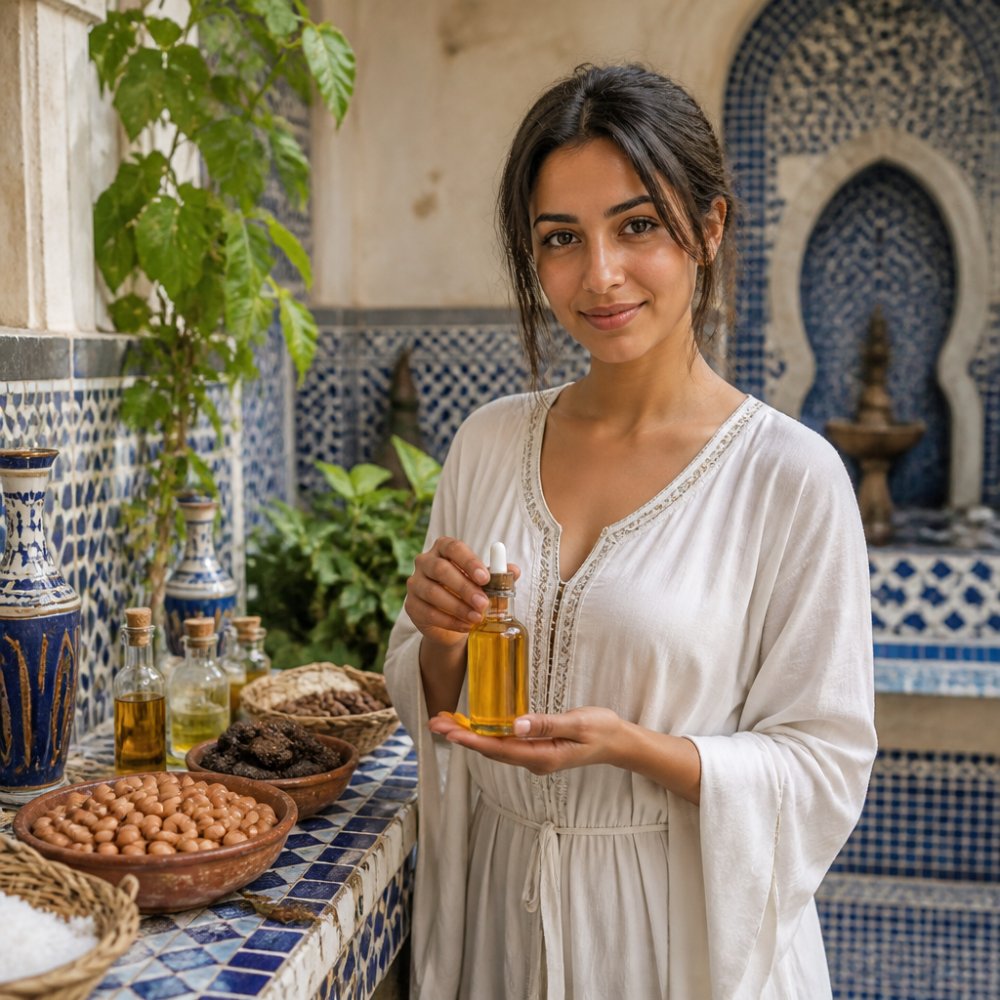
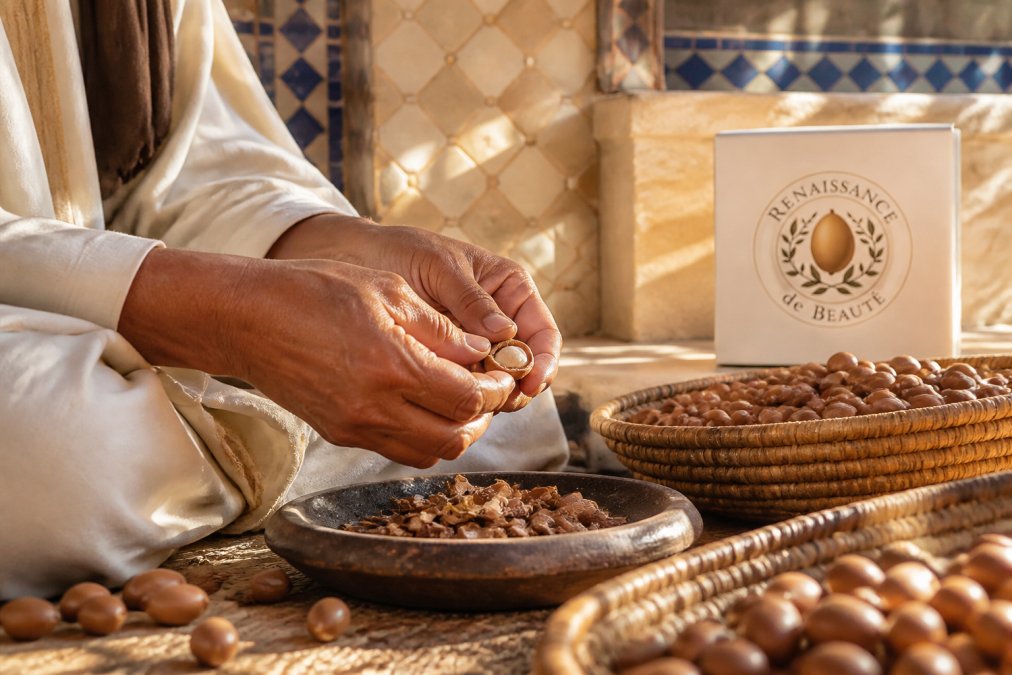
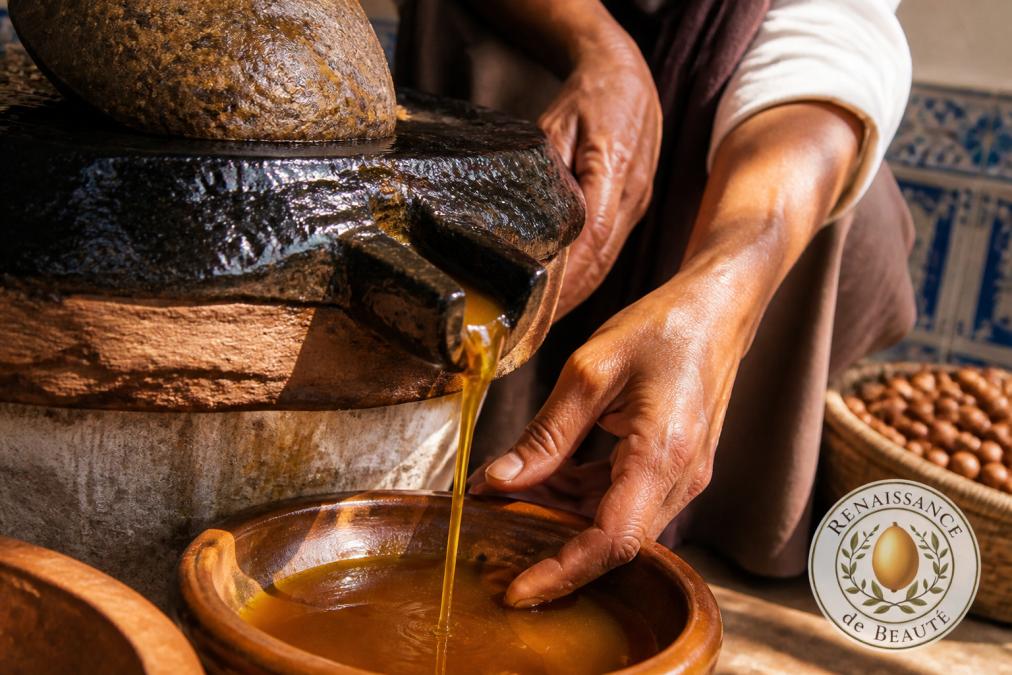
The argan oil extraction process is fundamentally incompatible with automation. Each nut must be cracked by hand, a task requiring skill and time. The kernel inside is tiny, and extracting usable oil requires cold-pressing or traditional stone grinding methods that preserve the fatty acids and tocopherols that make the oil therapeutically valuable (peer-reviewed research).
Manual labor dominates every stage: harvesting fruit, drying it, cracking the shell, roasting the kernel, and pressing the oil. A single worker can process only a limited number of nuts per day. Fair trade practices add costs because workers deserve compensation reflecting the actual difficulty and time invested. Mass-market alternatives use refining processes or synthetic additives that reduce labor costs but strip away beneficial compounds, resulting in less nourishing, less effective products (peer-reviewed research). Quality extraction preserves the nutrient density that justifies the price tag.
How to Identify Authentic Argan Oil vs. Diluted Products
Adulteration is rampant in the argan oil market. The easiest way to cut costs is diluting pure argan oil with cheaper carrier oils like coconut or mineral oil, then selling it at a fraction of the authentic price.
Authentic argan oil has specific characteristics: a distinct nutty aroma, slightly thick texture that absorbs quickly without greasiness, and color ranging from pale golden to deeper amber. If the bottle is clear and the oil looks thin and watery, it's likely diluted. Check the ingredient list, genuine organic argan oil should list only one ingredient: argan oil. If you see "argan oil and mineral oil" or "argan oil with fragrance," you're holding a diluted product. Look for organic certifications from recognized bodies and transparency about botanical origin and fair trade practices, which signal producers serious about quality.
Pure Argan Oil Benefits for Hair and Why Quality Justifies Cost
Pure argan oil delivers measurable benefits for hair because it contains fatty acids, vitamin E, and antioxidants that penetrate the hair shaft and support scalp health (peer-reviewed research). The effect is visible: improved shine, reduced frizz, stronger roots, and faster growth over consistent use.
Contact Us for Personalized Spa Packages →
These benefits only materialize with genuine, high-quality oil. Diluted products may coat the hair surface temporarily, creating shine that washes out after one shampoo. Pure argan oil conditions from within, so results compound over weeks and months. A small amount goes far because it's concentrated and bioavailable, meaning a single bottle lasts longer than larger quantities of diluted alternatives. When you calculate cost per effective application, premium argan oil often costs less than mass-market options requiring constant reapplication.
The premium you pay for organic argan oil reflects genuine scarcity, labor-intensive production, and integrity required to resist adulteration. When you invest in authentic argan oil from sources committed to fair trade and supply chain transparency, like Renaissance de Beaute Argan Treatments, you're paying the actual cost of producing something real. For personalized guidance on incorporating pure argan oil into your hair care routine, contact Renaissance de Beaute for treatment consultations to explore how their curated collection aligns with your specific hair and scalp needs.
Frequently Asked Questions
How do I know if my argan oil is truly organic and pure?
Authentic organic argan oil should have a rich golden color, a subtle nutty aroma, and a label listing only one ingredient: argan oil. Check for organic certification from recognized bodies, look for batch numbers indicating traceability, and verify the botanical origin. Diluted or synthetic products often lack this transparency. Reputable suppliers provide purity testing documentation and supply chain transparency, which justifies premium pricing.
What makes the argan oil extraction process so labor-intensive?
Traditional argan oil extraction requires manual labor at nearly every stage. Workers hand-harvest argan nuts from semi-arid regions, crack them to access kernels, and often grind and press the kernels by hand or using small-scale equipment. This labor-intensive production process yields only small quantities of oil per harvest season. Modern cold-pressed methods preserve the oil's therapeutic grade and fatty acids, but they still require significant manual oversight, which directly increases production costs.
Why is cold-pressed argan oil more expensive than refined versions?
Cold-pressed argan oil preserves beneficial compounds like tocopherols, fatty acids, and antioxidants that refined oils lose during heating. The cold-pressing method requires careful temperature control and yields less oil per kernel, reducing efficiency. This lower yield percentage combined with the need to maintain purity testing and quality assurance standards makes cold-pressed organic argan oil more costly. The result is a product with superior pure argan oil benefits for hair and skin compared to cheaper, refined alternatives.
This article was written using GrandRanker