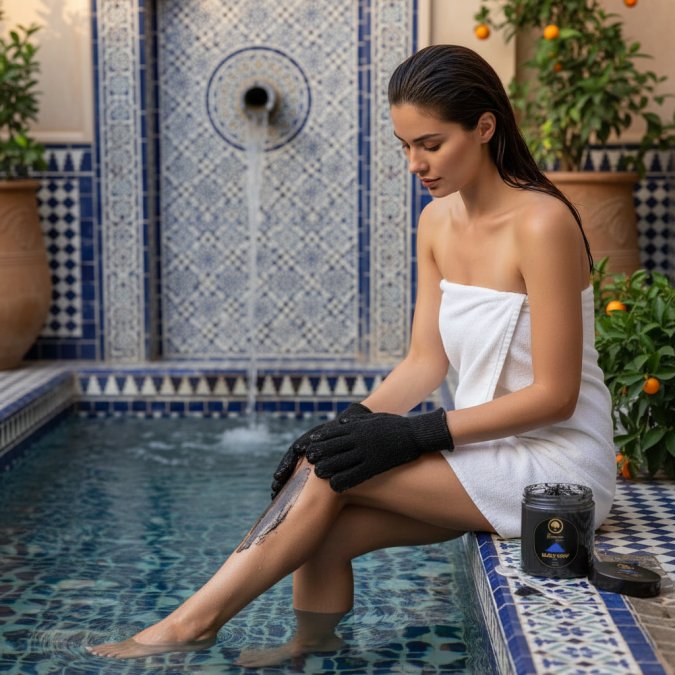
 comparison
Moroccan Black Soap vs Regular Soap: Real Differences
Table of Contents
- Moroccan Black Soap vs Regular Soap: What Actually Changes Your Skin
- Key Differences at a Glance: Black Soap vs Regular Soap
- Why pH Balance Matters for Your Skin Barrier
- How to Use Beldi Soap for Exfoliation in a Home Hammam Ritual
- Skin Benefits: Softening, Detoxification, and Pore Cleansing
- Natural Ways to Detoxify Skin Without Stripping It
- Who Should Skip Black Soap: Contraindications and Side Effects
- The Verdict: Which Soap Earns a Place in Your Routine?
- Frequently Asked Questions
Last Updated: September 5, 2026
Moroccan Black Soap vs Regular Soap: What Actually Changes Your Skin
The difference between Moroccan black soap vs regular soap is not a minor formulation tweak. It is a completely different approach to cleansing, one rooted in the traditional hammam ritual rather than the daily shower. Regular soap strips the skin's surface to remove dirt, while traditional Beldi soap, made from macerated olives and olive paste, prepares the skin for exfoliation and deep conditioning rather than aggressive stripping. At Renaissance de Beaute Argan Treatments, we invite you to discover the luxurious, authentic beauty secrets of Morocco, and the distinction between these cleansing approaches matters more than most skincare guides admit.
Most commercial bars rely on synthetic detergents that lift away natural oils, leaving that tight, squeaky-clean feeling that actually signals a compromised moisture barrier. Moroccan black soap works on a different principle. It is a natural surfactant paste that softens and loosens dead skin cells so they can be sloughed away mechanically with a kessa glove. The result is skin that feels cleansed but supple, not parched. Below, we break down the ingredient profiles, the pH science, and the exact ritual steps so you can decide which cleanser deserves a permanent place in your routine.
Key Differences at a Glance: Black Soap vs Regular Soap
The fastest way to understand the divide is to look at what each product is built to do. Regular soap is engineered for rapid, convenient hygiene. Black soap is engineered for a slower, ritual-based approach to skin renewal and softening.
Comparison Point | Moroccan Black Soap | Regular Soap |
|---|---|---|
Base Ingredients | Olive paste, macerated olives, eucalyptus | Tallow, palm oil, synthetic detergents |
Texture | Gel-like, molasses consistency | Hard bar or liquid |
Primary Action | Softens skin, loosens dead cells | Removes surface dirt and oils |
pH Level | High-alkaline (wood-ash based) | Varies widely, often neutral to alkaline |
Exfoliation | Prepares skin for kessa glove | None, often leaves residue |
Skin Barrier Impact | Deeply moisturizing | Can strip natural lipids |
Ingredients and Composition
Authentic Moroccan black soap, sometimes called Beldi soap, starts with olive paste made from macerated olives that have been crushed and rested. This base is blended with a high-alkaline wood-ash solution to trigger saponification, then finished with botanical additions like eucalyptus oil or, in premium versions, argan oil. The result is a thick, dark paste rich in natural surfactants and skin-softening plant lipids.
Regular soap, by contrast, is typically a mixture of sodium tallowate or sodium palmate derived from animal fats or palm oil, combined with synthetic detergents, fragrances, and preservatives. These formulations are designed to foam aggressively and rinse clean, but they lack the nourishing, plant-based lipid content that makes black soap feel like a treatment rather than a cleanse.
Texture and Consistency
The texture difference is jarring the first time you encounter it. Black soap has a gel-like texture similar to molasses or a thick honey, a result of the high glycerin content naturally produced during saponification of olive paste. It does not lather. You apply it to damp skin and let it sit, allowing the paste to penetrate and soften the stratum corneum.
Standard soap is a hard bar or thin liquid engineered for immediate foaming. That foam is largely cosmetic. The surfactants that create it are the same compounds that strip your skin's acid mantle, which is why a traditional apothecary product like Beldi soap feels alien to anyone raised on commercial cleansers.
Why pH Balance Matters for Your Skin Barrier
The concept of pH is often reduced to a single number, but its impact on your skin is a dynamic biological process. Your skin's surface is coated by the acid mantle, a thin, slightly acidic film with a pH between 4.5 and 5.5. This acidity is not arbitrary; it regulates the activity of enzymes responsible for maintaining the stratum corneum's integrity and supports the growth of beneficial bacteria that outcompete pathogens.
Here is where the science gets specific. Most conventional bar soaps, formulated with sodium tallowate or sodium palmate, register a pH between 9 and 10. When you wash with a product at this alkalinity, you disrupt the acid mantle, temporarily raising your skin's pH. This shift inactivates key lipid-processing enzymes like beta-glucocerebrosidase, which is essential for ceramide production. The immediate result is that tight, squeaky feeling, which is actually a sign of your skin's barrier being compromised and losing moisture.
Moroccan black soap presents a more complex scenario. Its base is a high-alkaline solution made from wood ash, which can have a pH above 12. However, the finished product is a paste where the saponified olive oil and unsaponified plant lipids are present in high concentration. In practice, the effective pH of the paste on the skin is buffered by these oils. The key is that black soap is not designed to be a leave-on cleanser. In the hammam ritual, it is applied, left for a short period to soften the keratin, and then rinsed off. The subsequent application of a kessa glove removes the softened layer, and the ritual concludes with a cool rinse and the application of a lipid-rich moisturizer like argan oil.
This sequence is critical. The brief alkaline exposure is a deliberate tool to swell and soften the dead cells of the stratum corneum for mechanical removal, not a daily assault on the barrier. The immediate re-acidification and re-moisturization steps are what prevent long-term damage. The danger arises when users treat black soap like a daily body wash, skipping the steam, the glove, and the moisturizer. This misuse extends the alkaline exposure and leaves the skin without its protective lipid layer, leading to the very dryness and irritation the ritual is meant to prevent.
For a point of reference, a standard synthetic detergent body wash (a syndet) is formulated to a pH of 5.5 to 6.5 to be gentle enough for daily use. Black soap is a different category entirely: a high-pH treatment that works in a specific, time-bound sequence. Understanding this distinction is the difference between using it as a therapeutic tool and causing unintended barrier disruption. If you are unsure whether this ritual suits your skin type, our Treatment Consultations can help you determine the right approach before you begin.
How to Use Beldi Soap for Exfoliation in a Home Hammam Ritual
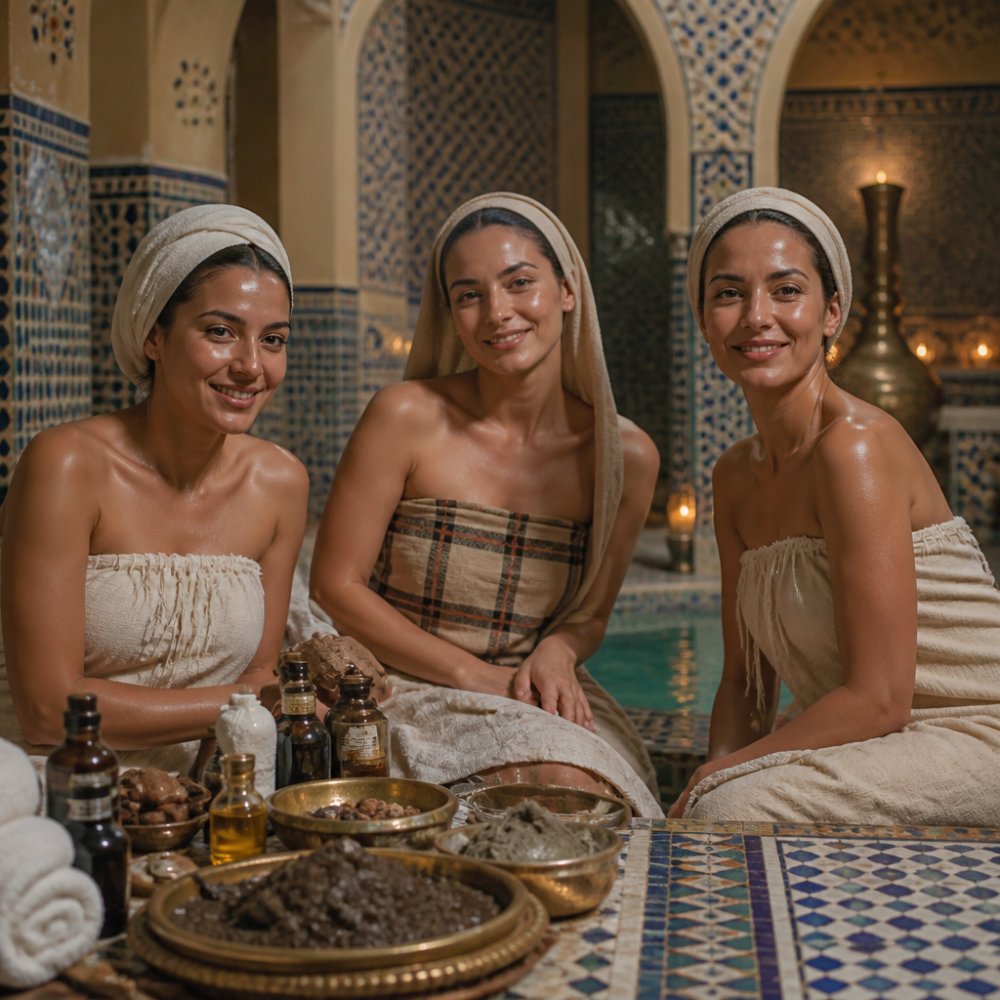
To use Beldi soap for exfoliation correctly, you must recreate the hammam's steam environment, because the heat is what activates the soap's softening power. This is the step most at-home users skip, and it is why they conclude the product does not work.
Start by spending five to ten minutes in a warm, steam-filled bathroom. Let the heat open your pores and soften the outer layer of dead skin cells. Massage a generous amount of the black soap paste over your entire body, avoiding the face and any broken skin. Leave it on for five to ten minutes. You will feel a gentle warming or tingling sensation from the eucalyptus, which is normal.
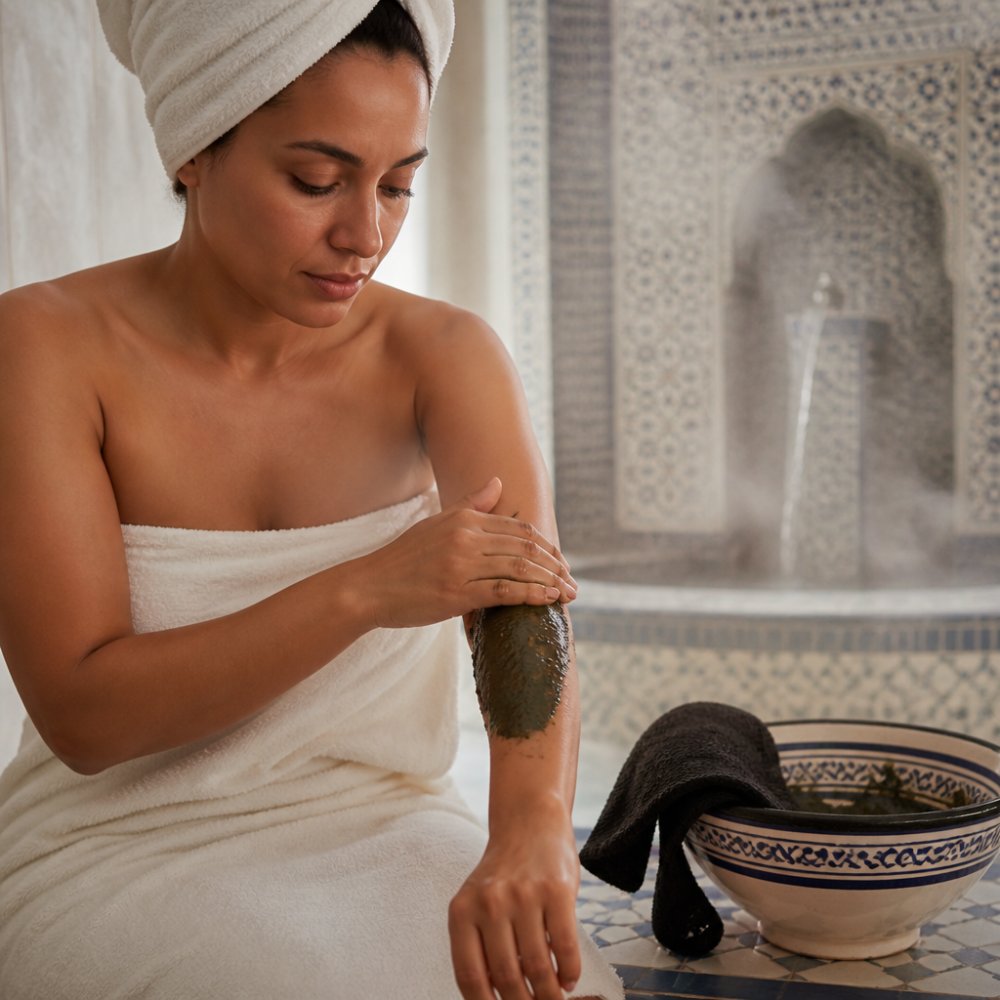
Rinse the paste off with warm water, then take your kessa glove and exfoliate using long, firm strokes from your extremities toward your heart. You will see rolls of dead skin slough off. This is the detoxification moment. Finish with a cool rinse to close the pores and follow with argan oil or a rich moisturizer while your skin is still damp to lock in hydration.
Contact Us for Personalized Spa Packages →
Skin Benefits: Softening, Detoxification, and Pore Cleansing
The benefits of black soap extend beyond simple exfoliation. The olive paste base delivers skin softening lipids that regular soap cannot replicate, while the saponified oils act as natural surfactants that dissolve sebum and impurities lodged in pores without the harshness of synthetic detergents.
Regular use supports skin detoxification in a mechanical sense. By removing the buildup of dead skin cells, the ritual unclogs pores and allows your moisturizers to penetrate far more effectively. Many users report that their skin looks brighter and feels smoother after the first session because the stratum corneum has been evenly polished rather than chemically stripped. The hammam ritual is not merely cosmetic; it is a form of physical renewal that prepares the skin to absorb the active ingredients in your serums and oils.
When selecting a product, the quality of the base ingredients determines the outcome. A traditional formulation using authentic olive paste and argan oil, like the Beldi Black Soap in the Renaissance de Beaute collection, provides the full spectrum of nourishing lipids that cheaper, diluted versions lack. For those who want to pair the soap with complementary body care in one purchase, the Renaissance Bath & Body Combos offer a curated selection of ritual essentials.
Natural Ways to Detoxify Skin Without Stripping It
The search for natural ways to detoxify skin often leads people toward aggressive scrubs and peel-off masks that cause more damage than they resolve. The hammam approach offers a gentler, more effective alternative. Steam, black soap, and mechanical exfoliation with a kessa glove remove impurities while the plant-based oils in the soap simultaneously replenish the skin.
This two-phase action is the key insight. Detoxification does not have to mean stripping. When you soften the skin with olive paste and then exfoliate, you are removing waste without removing the skin's natural protective oils. This is why the ritual has persisted for centuries in traditional Moroccan beauty practices. Modern cleansers separate cleansing from moisturizing, but the hammam sequence combines them into a single, coherent process.
Who Should Skip Black Soap: Contraindications and Side Effects
Black soap is not suitable for everyone, and knowing the contraindications prevents a frustrating reaction. Anyone with active eczema, psoriasis flare-ups, or open wounds should avoid mechanical exfoliation entirely, as the kessa glove can aggravate inflamed skin. Those with rosacea or highly reactive skin should also proceed with caution, since even gentle friction can trigger redness.
The high-alkaline nature of the soap, while buffered by olive oil, means it can still disrupt sensitive skin if left on too long. Always patch test on a small area first. If you are undergoing dermatological treatment with prescription retinoids or acids, your skin is already shedding at an accelerated rate, and adding physical exfoliation can lead to over-exfoliation and barrier damage. Consult your dermatologist before incorporating the ritual into your routine. Pregnant individuals should also verify that the specific essential oils used in their chosen formulation are safe, as some botanicals are restricted during pregnancy.
The Verdict: Which Soap Earns a Place in Your Routine?
The decision between Moroccan black soap and regular soap is not just about skin feel; it is also a practical question of value and how you allocate your skincare budget.
The real verdict is not about which is 'better' in a vacuum. It is about matching the product to the intended use. If your goal is a 60-second morning cleanse, a standard syndet bar or liquid is the appropriate, cost-effective tool. If your goal is a dedicated, weekly session of deep exfoliation and skin renewal, Moroccan black soap offers a cost-per-use advantage over a stack of separate specialty products. The question is not which soap to choose, but which ritual you are committing to. For a weekly skin-reset, the Beldi soap is not just a luxury; it is the more economical path to a polished, conditioned result.
Frequently Asked Questions
Is African black soap the same as Moroccan black soap?
No. Moroccan black soap, often called Beldi soap, is a smooth, gel-like paste made from macerated olives, olive paste, and potassium hydroxide from wood ash. African black soap, typically from West Africa, is a firmer bar made from cocoa pods, palm tree leaves, and plantain skins. The two have different textures, ingredient profiles, and usage rituals. Moroccan black soap is applied before exfoliation in a hammam ritual, while African black soap is often used directly as a daily cleanser.
Does Moroccan black soap provide better exfoliation than regular soap?
Moroccan black soap does not exfoliate on its own; it softens the skin and prepares it for exfoliation. Regular soap only cleans the surface. The key difference is the two-step process: Beldi soap, with its high-alkaline olive paste, loosens dead skin cells, and a kessa glove then removes them. This method delivers deeper exfoliation and skin renewal than the mild friction of washing with regular soap and a washcloth.
How does the pH of Moroccan black soap compare to regular soap?
Traditional Moroccan black soap is high-alkaline, with a pH around 8 to 9, because it relies on wood-ash lye for saponification. Many regular commercial soaps are also alkaline, but synthetic detergent bars are often pH-balanced to around 5.5 to match your skin barrier. The high pH of Beldi soap is why it is a rinse-off treatment, not a leave-on cleanser, and why following with a pH-balancing toner or moisturizer is important.
Can Moroccan black soap be used as a daily cleanser?
You can use it daily, but most people find 2 to 3 times per week is enough. Because Beldi soap is high-alkaline and deeply softening, daily use in a full hammam ritual with a kessa glove can over-exfoliate sensitive skin. For daily cleansing, apply a small amount, rinse quickly, and skip the vigorous glove exfoliation. If your skin feels tight or irritated afterward, reduce frequency to once a week.
Is Moroccan black soap suitable for sensitive skin?
Many people with sensitive skin tolerate it well because the olive paste base is plant-based and free of synthetic detergents and fragrances. However, the high-alkaline pH can trigger reactions in some individuals. Always patch test on your inner arm before your first full use. If you have eczema, rosacea, or open wounds, consult a dermatologist first. The lavender or orange blossom versions may also be irritating if you have fragrance allergies.