 comparison
Argan Oil Alternatives for Natural Skincare
Table of Contents
- Why Seek Argan Oil Alternatives
- Top Natural Oil Alternatives to Argan
- Benefits of Pure Organic Argan Oil and Its Alternatives
- How to Treat Dry Scalp Naturally with Plant-Based Oils
- Authentic Moroccan Beauty Rituals and DIY Application Methods
- Comparing Ingredient Quality and Sourcing
- Storage and Shelf-Life Best Practices for Natural Oils
- Choosing the Right Alternative for Your Skin Type
- Frequently Asked Questions
Last Updated: September 3, 2026
Why Seek Argan Oil Alternatives
Argan oil is popular, but alternatives deserve consideration if you're exploring options that better suit your skin type, budget, or specific concerns. Some people find that argan oil doesn't absorb as expected or that their skin responds better to oils with different fatty acid profiles. Others rotate ingredients to prevent skin adaptation.
At Renaissance de Beaute Argan Treatments, we recognize that authentic Moroccan beauty rituals involve understanding multiple plant oils and their unique properties. The traditional approach wasn't about relying on one miracle ingredient, it was about selecting the right tool for each season and skin condition.
The argan oil alternatives covered here are cold-pressed, organic, and rich in fatty acids and antioxidants that support skin revitalization. Some excel at addressing specific concerns like uneven skin tone or premature aging. Others work better for scalp health or deeply nourished skin. Understanding what each offers helps you make an informed choice aligned with your actual needs.
Top Natural Oil Alternatives to Argan
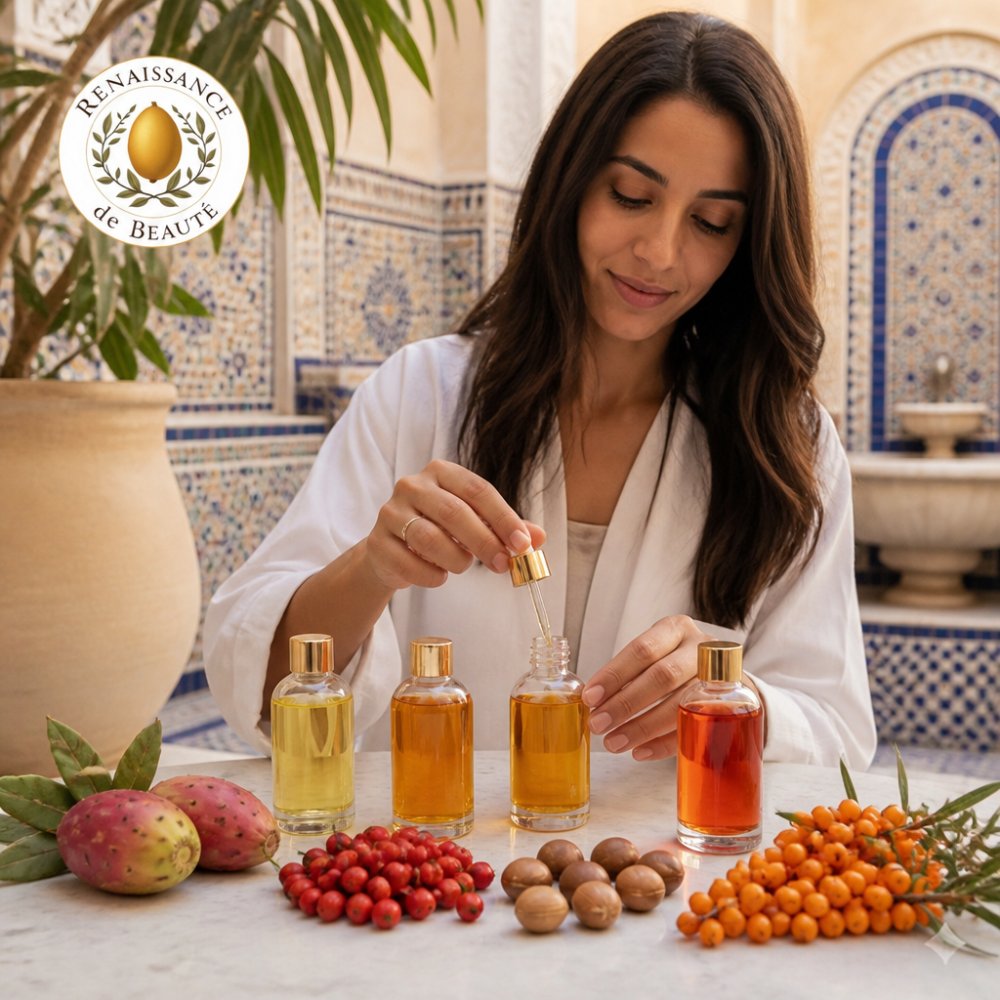
Prickly pear seed oil, rose hip seed oil, marula oil, and sea buckthorn seed oil represent the strongest alternatives to argan in the natural skincare landscape.
Prickly Pear Seed Oil
Prickly pear seed oil contains roughly three times the vitamin E found in argan oil, making it particularly effective for anti-aging and addressing sun damage. The oil is non-comedogenic, so it won't clog pores, opening it to people with acne-prone or combination skin.
Key ingredients include vitamins A, D, and K alongside powerful antioxidants that support skin elasticity and even out skin tone. For people dealing with dark spots or hyperpigmentation, prickly pear seed oil often delivers noticeable results within 4-6 weeks of consistent use.
Apply just three to four drops, warmed between the palms and pressed gently into damp skin, for optimal absorption without greasy residue.
Rose Hip Seed Oil
Rose hip seed oil is the budget-conscious alternative that doesn't sacrifice quality. Cold-pressed and unrefined versions retain natural provitamin A and omega fatty acids that support hydration and address aging signs. The oil absorbs relatively quickly into the skin.
Rose hip seed oil is particularly valuable for brightening and balancing uneven skin tone. People using it consistently report more radiant and even complexion within 6-8 weeks. The natural earthy scent comes from its high omega content and is not an indication of rancidity.
The oil works well in evening routines or mixed into lightweight moisturizer for daytime use. Its molecular structure allows effective penetration without sitting on the skin's surface, making it suitable for most skin types, including sensitive skin.
Marula Oil
Marula oil delivers deep hydration and restores radiance to dull or tired-looking skin. Cold-pressed and unrefined marula contains oleic and linoleic acids that support the skin barrier and lock in moisture. For genuinely dry skin, marula often becomes a staple.
Applied to damp skin, marula creates a protective layer that helps skin retain water throughout the day or night. This makes it especially valuable during winter or in dry climates. Its antioxidant profile also supports natural skin regeneration, addressing both dryness and visible aging simultaneously.
Sea Buckthorn Seed Oil
Sea buckthorn seed oil's high omega-7 content, a fatty acid less common in other plant oils, makes it particularly valuable for skin health. USDA organic certified and often third-party tested, it appeals to people prioritizing purity and rigorous quality control.
The oil supports hydration, elasticity, and cellular regeneration in ways that complement argan oil's benefits. People using sea buckthorn often notice improvements in skin texture and reduced blemishes or irritation. The oil is also effective for treating dry scalp and various skin irritations.
Sea buckthorn's deeper orange color reflects its carotenoid content, providing antioxidant protection particularly suited to preventing premature aging or addressing sun damage. Its ability to support the skin barrier makes it especially valuable for sensitive or reactive skin.
Benefits of Pure Organic Argan Oil and Its Alternatives
Cold-pressed oils retain their full spectrum of vitamins, minerals, and phytonutrients that work synergistically. Vitamin E provides antioxidant protection. Fatty acids strengthen the skin barrier. Carotenoids support cellular regeneration. Together, they create an environment where your skin functions optimally.
The anti-aging properties stem from their ability to support skin elasticity and reduce fine lines. Rather than filling wrinkles with silicone, plant oils improve the skin's structural integrity from within, creating more lasting results.
For scalp health, these oils penetrate the hair follicle and scalp tissue in ways lighter conditioners cannot. They reduce inflammation, support natural oil production, and restore the scalp's protective barrier, particularly valuable for chronic dryness, flaking, or sensitivity.
The skin barrier benefits tremendously from these oils' emollient properties. A compromised barrier leads to sensitivity, dehydration, and accelerated aging. Plant oils actively repair and strengthen this barrier, resulting in fewer breakouts, less irritation, and more resilient skin.
How to Treat Dry Scalp Naturally with Plant-Based Oils
Warm the oil between your palms before applying. This increases absorption and makes application more comfortable. Apply directly to the scalp, focusing on tight, itchy, or visibly flaked areas. Use your fingertips to massage gently, working the oil into scalp tissue rather than just coating hair strands.
Leave the oil on for at least 20 minutes; overnight applications work well. Protect your pillow with a towel for overnight use. Shampoo thoroughly the next morning. Most people find that treating their scalp once or twice weekly provides noticeable relief within 2-3 weeks.
Plant oils create an occlusive barrier that prevents moisture loss while delivering nourishing compounds. Over time, the scalp's natural oil production often normalizes, reducing the cycle of dryness and overproduction.
For sensitive scalps, start with a test patch. Apply a small amount to a discreet area and wait 24 hours to ensure no irritation occurs. If you'd like personalized guidance on scalp treatments tailored to your specific needs, Treatment Consultations are available to help you select the right oil and application method.
Authentic Moroccan Beauty Rituals and DIY Application Methods
Traditional Moroccan beauty practices centered on what was locally available and what worked with the climate. These rituals were practical, effective, and deeply integrated into daily routines.
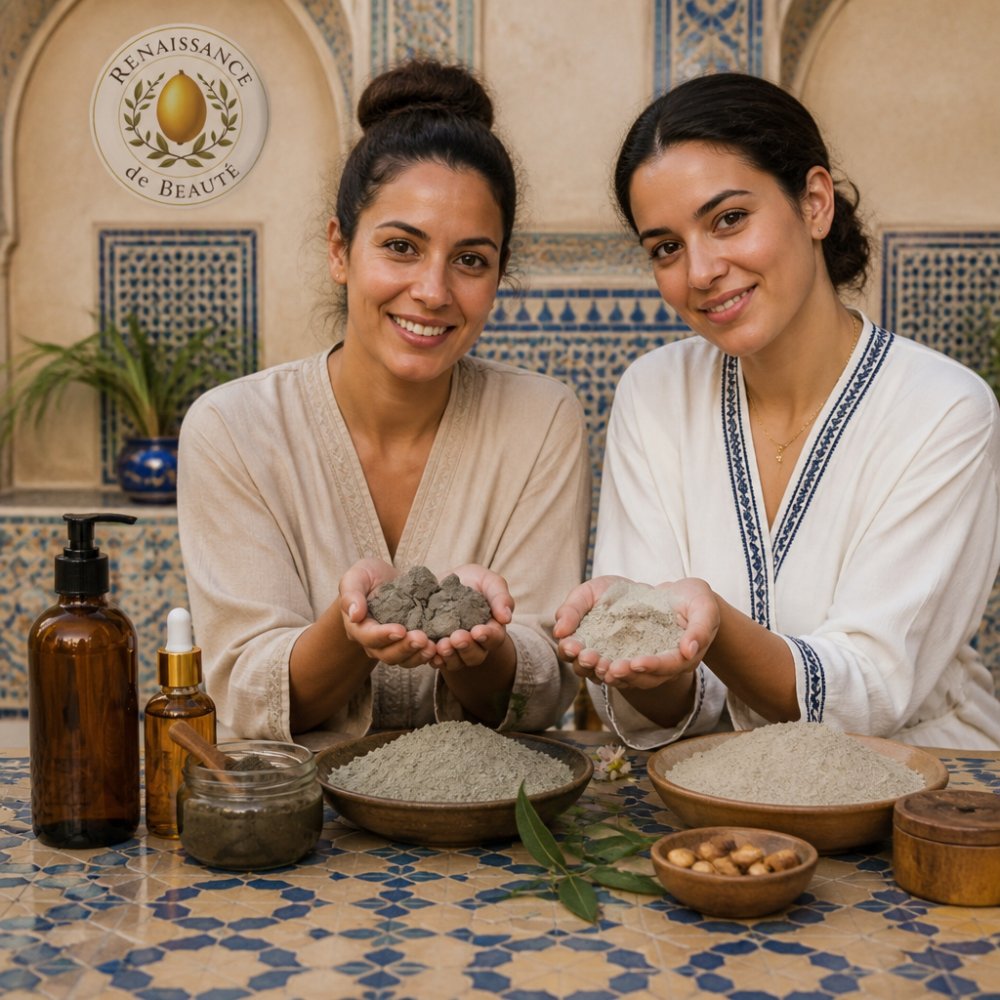
The hammam ritual remains the foundation of Moroccan skincare. Expose skin to steam to open pores and soften dead skin cells, followed by gentle exfoliation and nourishing treatment application. Recreate this at home by taking a warm shower, using a gentle exfoliating tool, and applying your chosen plant oil to damp skin while pores are still open.
Contact Us for Personalized Spa Packages →
Ghassoul clay, mineral-rich and traditionally used in Morocco, pairs beautifully with plant oils. The clay removes impurities and excess oil, while the subsequent oil application restores hydration and nourishment.
Rose water, another traditional Moroccan staple, can be spritzed onto skin before applying plant oils. This creates a hydrating base that allows the oil to penetrate more effectively while providing soothing and antioxidant benefits.
DIY application is straightforward: mix a few drops of your chosen oil with a carrier oil if preferred, warm gently between your palms, and apply to clean, slightly damp skin using upward strokes. For scalp treatments, part hair into sections and apply oil directly using a dropper or your fingertips.
Moroccan beauty rituals emphasized consistency and quality ingredients over complexity. A single high-quality oil applied with intention delivers better results than a complicated routine with mediocre products.
Comparing Ingredient Quality and Sourcing
Cold-pressed oils are extracted using mechanical pressure rather than heat or chemical solvents, preserving the full spectrum of vitamins, minerals, and phytonutrients. Heat extraction yields more oil but damages delicate compounds. Solvent extraction leaves residues that can irritate sensitive skin.
Organic certification ensures plants weren't grown with synthetic pesticides or fertilizers that accumulate in plant tissue and end up in the oil you apply to your skin. For a product designed to nourish and heal, starting with clean plant material makes a tangible difference.
Third-party testing verifies that the oil contains what the label claims and is free from contaminants, heavy metals, and microbial growth. This verification is particularly important for products applied to your face or scalp regularly.
Renaissance de Beaute Argan Treatments sources pure organic healing ingredients directly from Morocco, ensuring authenticity extends from origin through to the final product. When comparing alternatives, examine the sourcing story: Where were plants grown? How were they processed? What testing has been performed? Oils from reputable sources provide this information transparently.
Storage and Shelf-Life Best Practices for Natural Oils
Store all plant oils in dark glass bottles away from direct sunlight. Light exposure accelerates oxidation, breaking down beneficial compounds and creating free radicals that can damage skin. Amber or cobalt glass provides protection; clear bottles do not.
Cool, consistent temperatures slow oxidation. A dark cabinet in a cool room is ideal. Avoid storing oils in the bathroom, where steam and temperature fluctuations degrade them more rapidly.
Most cold-pressed plant oils remain stable for 12-18 months when stored properly. Check the label for specific guidance and note the date you opened the bottle. Once opened, most oils should be used within 6-12 months.
The scent provides a clue to condition. Rose hip oil naturally has an earthy smell due to its omega content, this is normal. If an oil smells rancid (sharp, unpleasant, vinegary), it has oxidized and should be discarded.
If you won't use an oil before its shelf life ends, store an unopened bottle in the refrigerator to slow degradation. Once opened, move it to room temperature storage, as condensation can introduce water into the bottle.
| Storage Factor | Best Practice | Impact |
|---|---|---|
| Light exposure | Dark glass bottles only | Prevents oxidation and free radical formation |
| Temperature | Cool, consistent, 60-70°F | Slows degradation of beneficial compounds |
| Location | Dark cabinet away from heat | Maintains potency over 12-18 months |
| Humidity | Dry environment, sealed cap | Prevents water contamination and microbial growth |
| Opened shelf life | 6-12 months from opening | Ensures efficacy and safety |
Choosing the Right Alternative for Your Skin Type
For acne-prone or combination skin, prickly pear seed oil is the strongest choice. Its non-comedogenic properties and high vitamin E content address aging concerns without triggering breakouts. The lighter texture and quick absorption suit people who've had negative experiences with heavier oils.
If your primary concern is uneven skin tone, dark spots, or dullness, rose hip seed oil delivers consistent results. The combination of provitamin A and omega fatty acids specifically supports skin brightening. This oil works well for people on a budget who don't want to compromise on quality.
For genuinely dry skin needing deep hydration and barrier repair, marula oil is the answer. Its richness and oleic acid content create the occlusive environment dry skin requires. Apply to damp skin for optimal absorption and maximum hydration benefit.
Sensitive or reactive skin benefits most from sea buckthorn seed oil. The omega-7 content and antioxidant profile support skin healing and resilience. USDA organic certification and third-party testing provide additional assurance for people concerned about irritation.
For scalp treatment, any of these oils work well, but sea buckthorn and prickly pear excel at addressing inflammation and promoting healing. If your scalp is both dry and irritated, sea buckthorn's unique fatty acid profile makes it optimal.
Skin often needs an adjustment period when switching from conventional moisturizers. You may feel slightly oily for the first week or two as your skin recalibrates its own oil production. This typically resolves within 2-3 weeks as your skin's barrier strengthens. Persistence through this adjustment phase often leads to better long-term results.
Choosing between argan oil and its alternatives comes down to matching the oil's specific benefits to your skin's actual needs. Each plant-based option brings distinct advantages, whether extraordinary vitamin E content, proven skin-brightening properties, deep hydration, or unique omega-7 support.
Renaissance de Beaute Argan Treatments recognizes that authentic Moroccan beauty isn't about relying on a single ingredient, it's about understanding multiple plant oils and their unique properties, then applying them with intention and care. If you're ready to explore how these alternatives might elevate your skincare routine, discover our Renaissance Bath & Body Combos that incorporate these powerful plant oils into a complete ritual experience, or contact our team for personalized guidance.
Frequently Asked Questions
What can I use instead of argan oil for skincare?
Several cold-pressed alternatives deliver comparable anti-aging and hydration benefits. Prickly pear seed oil contains three times the vitamin E of argan oil and is non-comedogenic for all skin types. Rose hip seed oil offers omega fatty acids and brightens uneven skin tone. Marula oil and sea buckthorn seed oil both provide deep hydration and support skin barrier health. Each has distinct antioxidant profiles, so your choice depends on your specific skin concern, whether that's anti-aging, hydration, or scalp health.
How do I identify authentic Moroccan beauty products?
Authentic products should list cold-pressed, organic certification, and transparent sourcing on the label. Look for USDA Organic or third-party testing verification. Genuine Moroccan skincare brands emphasize traditional ingredients like ghassoul clay, pure argan oil, and rose water without synthetic additives. Verify the product origin and avoid vague marketing claims. Brands that provide detailed ingredient sourcing and offer treatment consultations demonstrate commitment to authenticity and customer education.
Is organic argan oil better than mass-market alternatives?
Organic, cold-pressed argan oil retains more antioxidants and fatty acids than refined versions, making it more effective for skin elasticity and anti-aging. However, other organic alternatives like prickly pear and sea buckthorn seed oils may outperform argan oil for specific concerns. Mass-market oils often contain additives and fillers that dilute potency. The difference lies in purity, extraction method, and sourcing, not the oil type alone. Compare cold-pressed, certified organic options across all alternatives to ensure you're investing in genuine efficacy.
Can natural oils treat dry scalp and skin irritations?
Yes. Sea buckthorn seed oil, rich in omega-7 fatty acids, promotes cellular regeneration and is specifically effective for dry scalp treatment. Marula oil and rose hip seed oil also support hydration and barrier repair. Apply these oils directly to the scalp 2-3 times weekly, leaving them on for 15-30 minutes before shampooing. For sensitive scalps, test a small amount first. These botanical oils work by restoring natural moisture and reducing inflammation, making them safer alternatives to synthetic treatments for those with reactive skin.