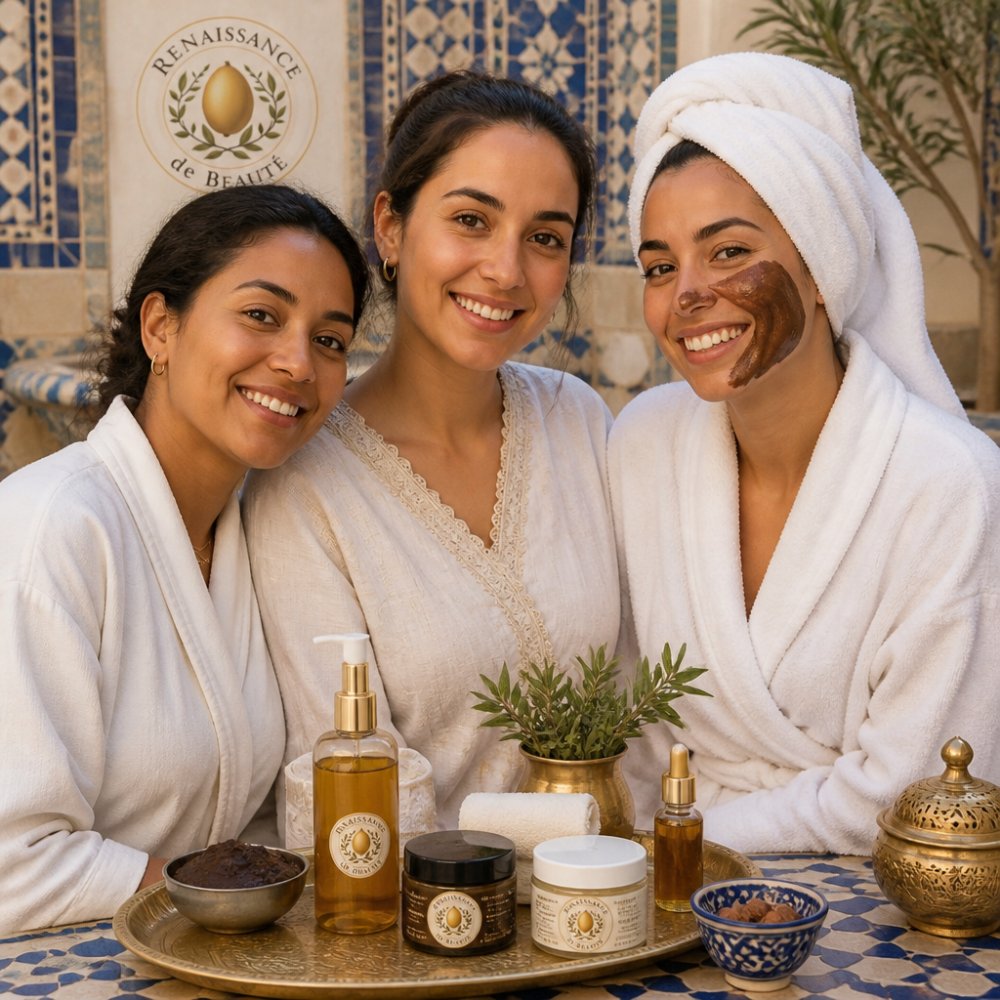
 ultimate-guide
Moroccan Beauty Secrets for Anti-Aging: A Complete Guide
Table of Contents
- Why Moroccan Beauty Traditions Work for Anti-Aging Skin
- Best Anti-Aging Oils for Face: The Argan Oil Foundation
- Moroccan Skincare Ingredients for Wrinkles and Radiance
- Traditional Moroccan Hammam Routine at Home
- Building Your Anti-Aging Skincare Routine with Moroccan Rituals
- Sourcing Authentic, Sustainable Moroccan Beauty Products
- Frequently Asked Questions
Last Updated: August 30, 2026
Why Moroccan Beauty Traditions Work for Anti-Aging Skin
Moroccan beauty secrets for anti-aging endure because they address core aging issues: dehydration, loss of elasticity, and cellular damage. Unlike modern skincare relying on single actives, traditional Moroccan approaches work through layered rituals that cleanse, nourish, and regenerate simultaneously.
These practices rest on ingredients native to Morocco's harsh climate. In extreme heat and aridity, women developed sophisticated rituals using oils, clays, and botanical extracts that reverse aging conditions rather than mask them.
Moroccan traditions excel at skin barrier restoration. Aging skin loses moisture retention and environmental defense. These practices rebuild the barrier from within, producing compounding results over time. Research confirms what Moroccan women have always known: plant-based compounds penetrate more effectively than synthetics, clay-based cleansing preserves beneficial microbiota while removing oxidative stress, and ritual itself enhances absorption and efficacy.
Best Anti-Aging Oils for Face: The Argan Oil Foundation
Argan oil stands as the cornerstone of Moroccan beauty secrets because it addresses multiple aging mechanisms simultaneously. Cold-pressed argan oil contains high concentrations of vitamin E, fatty acids, and polyphenols that reduce inflammation, restore elasticity, and protect against oxidative damage.
Cold-pressed argan oil retains its full spectrum of bioactive molecules, delivering the anti-wrinkle and regeneration benefits traditional practices promise. Mass-produced, heat-processed versions degrade potent compounds.
For mature skin, argan oil works through three mechanisms: it penetrates the stratum corneum effectively, delivering vitamin E and fatty acids to cells that lost their natural lipid barrier; its polyphenol content neutralizes free radicals from sun exposure and environmental stress; and it stimulates collagen production by activating fibroblasts.
How Argan Oil Addresses Wrinkles and Loss of Elasticity
Fine lines form when collagen breaks down faster than the body replaces it. Argan oil slows breakdown through antioxidant protection while signaling skin cells to increase collagen synthesis, softening existing wrinkles and preventing new ones through structural restoration.
Loss of elasticity responds well to argan oil because its fatty acid profile mirrors skin's natural lipid composition. When aging skin loses moisture-holding capacity, it becomes rigid. Argan oil restores this capacity, making skin feel softer and move more naturally.
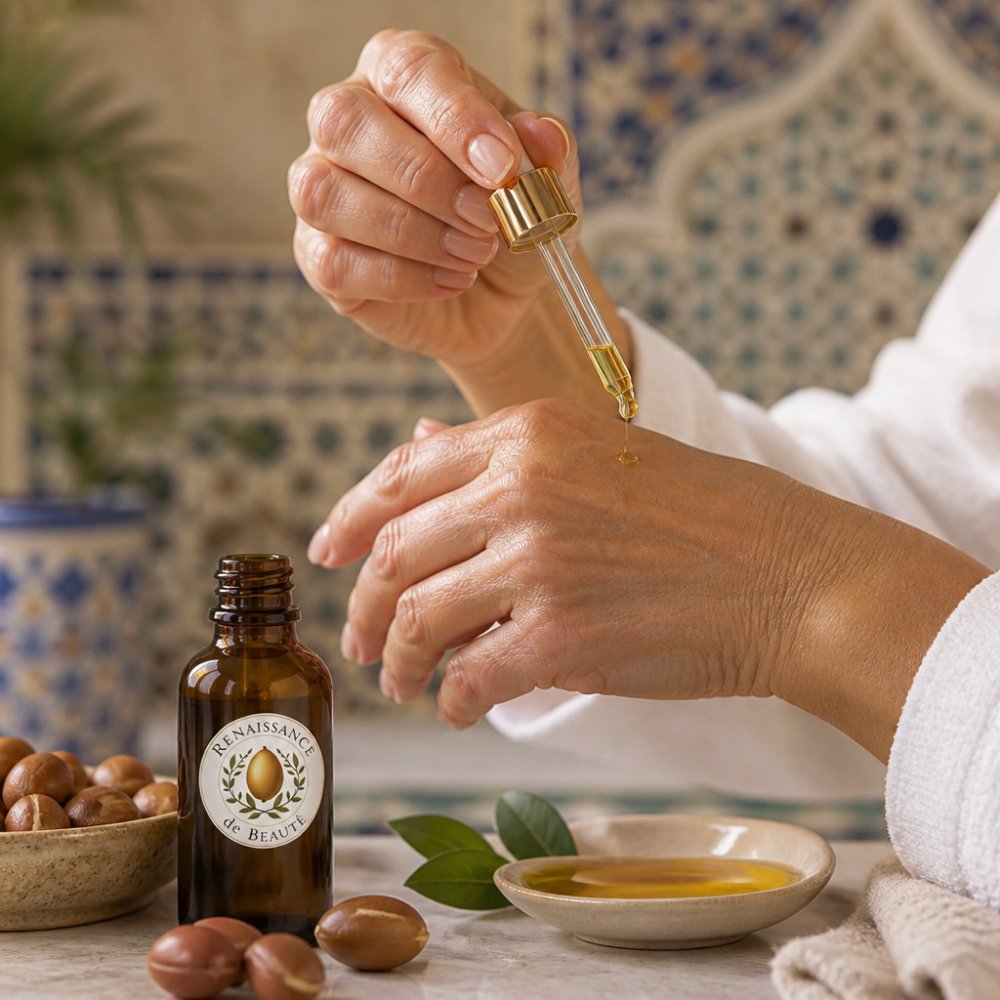
Application matters as much as the oil itself. Argan oil penetrates best when applied to damp skin, moisture carries the oil's active compounds deeper. A few drops massaged gently into slightly damp skin using upward strokes delivers superior results compared to heavier application on dry skin.
Prickly Pear Seed Oil and Other Moroccan Face Oils
Prickly pear seed oil complements argan oil by targeting specific aging concerns. Extracted from Opuntia cactus seeds, it contains linoleic acid and vitamin K, compounds that reduce dark spots and hyperpigmentation while strengthening capillaries.
Mature skin often experiences both wrinkles and uneven pigmentation. Argan oil handles structural aging; prickly pear seed oil addresses discoloration that makes skin appear older. Using both oils synergistically delivers results neither achieves alone.
Rose hip seed oil, another Moroccan staple, provides anti-wrinkle benefits through high vitamin A and antioxidant concentration. Unlike argan oil's barrier-building focus, rose hip seed oil stimulates cell turnover, particularly effective for mature skin with thick, dull surface layers. Combining argan oil's barrier-building with rose hip seed oil's exfoliating action creates comprehensive skin regeneration.
When selecting oils, authenticity and sourcing matter more than brand recognition. Cold-pressed oils from Morocco retain their full spectrum of active compounds. Authentic cold-pressed argan oil sources directly from Moroccan producers following traditional extraction methods, ensuring full potency.
Moroccan Skincare Ingredients for Wrinkles and Radiance
Beyond oils, Moroccan traditions rely on rhassoul clay, rose water, and nila powder, a complementary system that cleanses, refines, and brightens, addressing three dimensions of aged skin.
Rhassoul Clay for Deep Cleansing and Skin Regeneration
Rhassoul clay has been used in Moroccan hammams for centuries because it cleanses without stripping. Unlike European clays that leave skin tight and dehydrated, rhassoul clay exchanges minerals with the skin rather than simply absorbing oils and impurities.
Applied as a mask, rhassoul clay draws out oxidative compounds and environmental pollutants that accelerate aging while depositing minerals, particularly silica and magnesium, that strengthen the skin barrier and support collagen structure.
For mature skin, rhassoul clay addresses two aging issues: it removes dead skin cell buildup creating dullness and rough appearance, and it stimulates regeneration by triggering mild inflammation that prompts repair and renewal. Results include visibly smoother texture and improved radiance, intensifying with consistent use.
Mixed with rose water rather than plain water, the clay becomes a potent treatment combining deep cleansing with hydration and antioxidant protection. Applied as a thick mask for 15-20 minutes, then gently rinsed with warm water, rhassoul clay leaves skin soft and noticeably brighter.
Rose Water and Nila Powder for Complexion Refinement
Rose floral water, not rose fragrance or rose-scented products, is a byproduct of rose oil distillation containing rose's full spectrum of active compounds. For aging skin, it provides antioxidant protection, reduces inflammation, and refines pores, three compounding concerns.
Applied immediately after cleansing while skin is slightly damp, rose water acts as a hydrating toner that prepares skin to absorb subsequent treatments. Its polyphenol content neutralizes free radicals, reducing fine line appearance and preventing new damage.
Nila powder, made from indigo plant leaves, addresses hyperpigmentation and uneven complexion. Mixed into masks or applied as powder treatment, it reduces dark spots, evens tone, and provides mild antimicrobial benefits preventing inflammation that accelerates aging. Traditional protocols combine nila powder with rhassoul clay for comprehensive treatment.
Traditional Moroccan Hammam Routine at Home
The hammam ritual is more than relaxation, it's a structured approach to skin regeneration that opens pores, softens skin, and prepares it to absorb treatments deeply. Recreate this ritual at home with minimal equipment for anti-aging benefits.
Step-by-Step Hammam Ritual for Mature Skin
The hammam ritual follows a specific sequence designed to maximize skin regeneration and treatment absorption.
Step 1: Steam and Warm-Up (10 minutes) Create steam by running hot water in a sink or bowl, drape a towel over your head to trap steam, and allow your face to absorb heat and moisture. This opens pores, softens the skin barrier, and increases blood flow to facial tissues, beginning the regeneration process.
Step 2: Gentle Exfoliation with Kessa Glove or Washcloth (5 minutes) Using a traditional kessa glove or soft washcloth, gently exfoliate damp skin in circular motions, focusing on the forehead, nose, and chin. This removes dead skin cells and stimulates microcirculation without harshness. For mature skin, gentle pressure is essential.
Contact Us for Personalized Spa Packages →
Step 3: Rhassoul Clay Mask (15-20 minutes) Mix rhassoul clay with rose water to create a thick paste. Apply evenly across face and neck, avoiding the eye area. As the mask dries, it draws out impurities while depositing minerals that strengthen skin.
Step 4: Warm Rinse and Hydration (5 minutes) Rinse the mask with warm water using gentle circular motions. Pat skin dry, leaving it slightly damp. Apply argan oil and prickly pear seed oil to damp skin, allowing deep penetration while moisture is present.
Step 5: Rose Water Application and Final Nourishment (5 minutes) Mist rose water across face and neck. Follow with additional argan oil or specialized anti-aging serum. Rose water acts as a hydrating base ensuring subsequent treatments penetrate effectively.
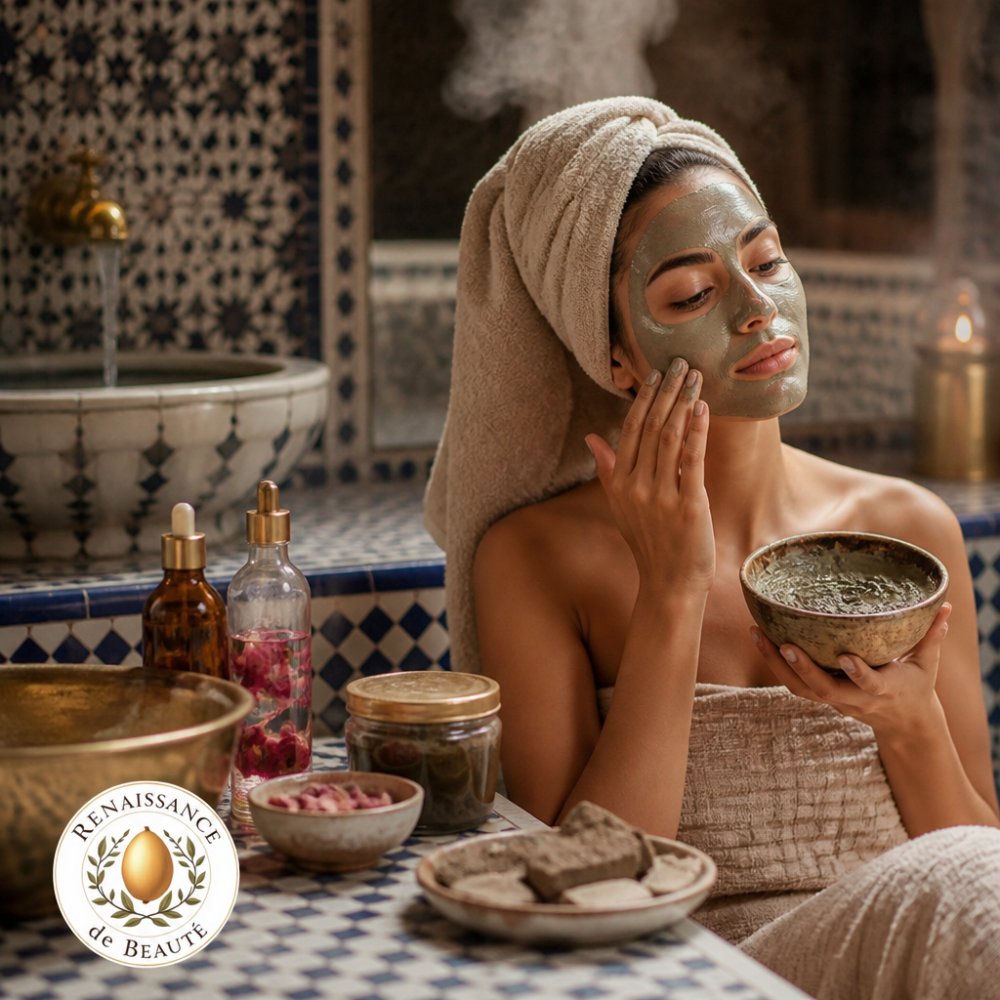
The entire ritual takes 40-50 minutes. Perform weekly for visible anti-aging results.
Natural Exfoliation and Skin Barrier Restoration
Natural exfoliation through the hammam differs fundamentally from chemical or mechanical exfoliation. Instead of dissolving or aggressively abrading the barrier, the hammam approach gently encourages dead cell shedding while simultaneously nourishing and strengthening the barrier.
Steam, gentle friction, and clay-based treatment stimulate natural renewal without triggering inflammation that harsh exfoliation causes. Mature skin exfoliates slowly; dead cells accumulate, creating dullness. The hammam ritual accelerates this natural process while protecting underlying layers.
Barrier restoration happens simultaneously through nutrient-dense oils and hydrating treatments. The Moroccan approach exfoliates gently while immediately replenishing skin with oils, minerals, and antioxidants that strengthen the barrier. Skin feels soft and radiant rather than stressed.
Consistency matters more than intensity. Weekly hammam rituals produce cumulative benefits intensifying over months. Daily harsh exfoliation produces temporary smoothness followed by irritation and accelerated aging.
Building Your Anti-Aging Skincare Routine with Moroccan Rituals
Moroccan beauty secrets work best when integrated into consistent routines tailored to specific skin type and concerns.
Morning and Evening Protocols for Different Skin Types
For Dry or Mature Skin: Morning: Rinse with cool water. Apply rose water as hydrating toner. Follow with argan oil using upward strokes. Evening: Cleanse gently with cream or oil cleanser. Apply rhassoul clay mask once or twice weekly. On non-mask nights, apply argan oil followed by prickly pear seed oil targeted to hyperpigmentation or fine lines.
For Combination or Oily Mature Skin: Morning: Cleanse gently. Apply rose water. Follow with lightweight argan oil serum rather than pure oil. Evening: Cleanse thoroughly but gently. Apply weekly hammam ritual. On other evenings, use lighter argan oil or focus treatments on specific areas.
For Sensitive Mature Skin: Begin with the simplest routine: just rose water and argan oil. Introduce additional treatments gradually, waiting two weeks between additions to monitor response. Use single-ingredient products and avoid formulations with added fragrance or multiple botanical extracts.
Integrating Traditional Practices with Modern Actives
Moroccan traditions work exceptionally well alongside modern skincare science. If using prescription retinoids, Moroccan oils support the treatment. Retinoids increase cell turnover and collagen production but can compromise the barrier temporarily. Argan oil strengthens the barrier while retinoids work, reducing irritation. Apply retinoid first, wait 15 minutes, then apply argan oil.
If using vitamin C serums or antioxidant treatments, rose water and Moroccan oils enhance effectiveness. Apply active treatments first, then layer argan oil or rose water on top.
Sourcing Authentic, Sustainable Moroccan Beauty Products
Quality varies dramatically. Mass-produced argan oil processed with heat, chemically treated clay, and rose water diluted with synthetic fragrance deliver minimal anti-aging benefits compared to authentic, minimally processed ingredients.
Authenticity begins with sourcing. True Moroccan argan oil comes from argan trees growing only in specific Moroccan regions. Cold-pressed extraction preserves vitamin E, fatty acids, and polyphenols. If labels don't specify "cold-pressed" or "first-pressed," the oil has been heat-processed, degrading potent compounds.
Rhassoul clay should come directly from Moroccan deposits with minimal processing. Authentic rhassoul is fine, silky powder; gritty clay or clay mixed with fillers delivers inferior results. Rose water should be genuine rose floral water, not rose-scented water with fragrance and preservatives.
Sustainability matters for environment and product quality. Argan oil producers working directly with Moroccan cooperatives and supporting fair-trade practices maintain higher quality standards. Supporting sustainable sourcing protects the argan forests, a UNESCO biosphere reserve, while ensuring fair compensation for producers.
Authentic cold-pressed argan oil produces visible improvements in texture, radiance, and fine line reduction. If you're uncertain which products will work best for your specific skin concerns, a Treatment Consultation can help you identify the right ingredients and rituals for your needs.
| Moroccan Ingredient | Primary Anti-Aging Benefit | Best Application | Frequency |
|---|---|---|---|
| Argan Oil | Collagen support, barrier restoration | Daily morning and evening | Daily |
| Prickly Pear Seed Oil | Hyperpigmentation reduction | Targeted to problem areas | Daily or 3-4x weekly |
| Rhassoul Clay | Deep cleansing, skin regeneration | Weekly mask treatment | Once weekly |
| Rose Water | Antioxidant protection, hydration | Toner after cleansing | Daily |
| Nila Powder | Complexion refinement, dark spot reduction | Mixed into masks | 1-2x weekly |
Moroccan beauty secrets for anti-aging represent centuries of refined knowledge about maintaining skin health without synthetic ingredients or invasive procedures. These traditions work because they address root causes of aging, dehydration, barrier dysfunction, oxidative stress, and collagen breakdown, rather than masking symptoms temporarily.
The most effective anti-aging approach combines authentic Moroccan ingredients with consistent ritual. Weekly hammam treatments, daily argan oil application, and targeted treatments for specific concerns create cumulative benefits intensifying over months. Explore our Renaissance Bath & Body Combos featuring authentic cold-pressed argan oil, rhassoul clay, and traditional hammam essentials to experience the radiance and skin regeneration that Moroccan women have trusted for generations.
Frequently Asked Questions
How does argan oil help with skin aging?
Argan oil contains fatty acids, vitamin E, and antioxidants that support skin elasticity and collagen production. These compounds penetrate the skin barrier to reduce the appearance of wrinkles and fine lines while providing deep hydration. Regular use can improve skin texture and promote skin regeneration, making it particularly effective for mature skin addressing age-related concerns.
What's the best Moroccan skincare routine for mature skin?
A traditional Moroccan routine combines cleansing with rose water or Beldi black soap, exfoliation using rhassoul clay, and nourishment with argan oil or prickly pear seed oil. Apply these products morning and evening, adjusting frequency based on your skin type. For anti-aging benefits, focus on consistent hydration and weekly clay masks. Consider a treatment consultation to customize the routine for your specific skin needs and concerns.
Are Ghassoul clay and Beldi soap effective for anti-aging?
Yes. Rhassoul (ghassoul) clay provides natural exfoliation and detoxification, removing dead skin cells to reveal fresher, more radiant complexion underneath. Beldi black soap softens skin and prepares it for deeper treatments. Together, they support skin regeneration and improve texture. However, their anti-aging benefits are maximized when combined with hydrating oils like argan oil, which addresses wrinkles and loss of elasticity that clay alone cannot target.
Can I use Moroccan beauty products if I have sensitive skin?
Moroccan beauty ingredients are generally gentle and plant-based, making them suitable for sensitive skin when sourced authentically and organically. However, introduce products gradually and patch-test first. Rose water and argan oil are typically well-tolerated, while clay masks should be used less frequently on reactive skin. If you're concerned about compatibility with existing treatments or have a history of reactions, contact our team for personalized guidance on which products suit your skin type.