 ultimate-guide
Ghassoul Clay for Face: Benefits & How to Use
Table of Contents
- What Is Ghassoul Clay and Why It Matters for Your Skin
- The Mineral Composition Behind Ghassoul's Effectiveness
- Primary Skin Benefits of Ghassoul Clay
- How to Make a Ghassoul Clay Face Mask
- How Long to Leave Ghassoul Clay on Face
- Rhassoul Clay vs. Bentonite Clay for Face
- Ghassoul Clay for Different Skin Types and Conditions
- Scientific Evidence and Sustainability Considerations
- Frequently Asked Questions
Last Updated: September 17, 2026
What Is Ghassoul Clay and Why It Matters for Your Skin
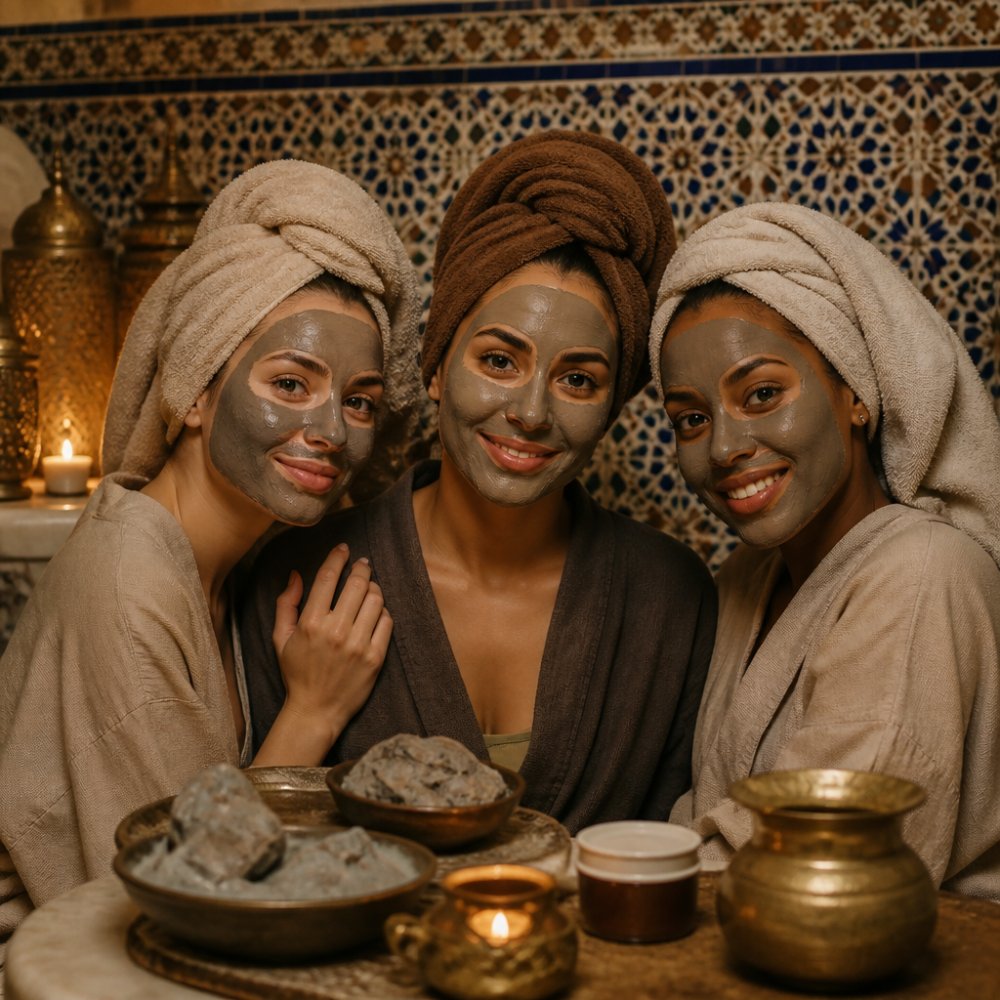
Ghassoul clay, also known as rhassoul clay, is a naturally mineral-rich clay sourced from the Atlas Mountains that has been used for centuries in traditional Moroccan beauty rituals. This fine, silica-based clay is prized for its ability to deeply cleanse, purify, and revitalize skin without the harshness of conventional cleansers. At Renaissance de Beaute Argan Treatments, we recognize ghassoul clay for face as one of the most effective natural ingredients for achieving spa-quality results at home.
What makes ghassoul clay distinctive is its unique mineral composition and gentle yet powerful cleansing action. Unlike harsher clay varieties, it works through adsorption and absorption mechanisms that draw out impurities while respecting your skin's natural acid mantle. The clay has been central to Hammam rituals for generations, where it was traditionally mixed with water or argan oil to create purifying treatments that left skin radiant and renewed.
The appeal of ghassoul clay for face extends beyond folklore. Many users find that this traditional ingredient delivers improvements in skin texture, clarity, and elasticity when used consistently. Whether you're dealing with congested pores, excess sebum, or simply seeking to elevate your skincare routine with an authentic Moroccan beauty secret, ghassoul clay offers a natural, non-toxic alternative to commercial face masks.
The Mineral Composition Behind Ghassoul's Effectiveness
The power of ghassoul clay for face lies in its rich mineral profile. This clay contains significant concentrations of silica, magnesium, potassium, calcium, and iron, elements that work synergistically to support skin health. Silica, in particular, plays a crucial role in collagen synthesis and maintaining skin elasticity, while magnesium helps regulate sebum production and calm inflammation.
Potassium contributes to the clay's ability to balance the skin's pH and strengthen the skin barrier, preventing trans-epidermal water loss. Iron provides antioxidant support, helping protect skin from environmental stressors. The combination of these minerals creates a "cationic exchange" process, where the clay's positively charged minerals attract and bind negatively charged impurities, toxins, and excess sebum from deep within pores.
This mineral-rich composition is why ghassoul clay for face performs so differently from synthetic alternatives. The clay doesn't strip or over-dry skin; instead, it works in harmony with your skin's natural chemistry. Many users report that their skin feels softer and more balanced after use, rather than tight or irritated, a key difference that makes this ingredient suitable for a broader range of skin types than conventional clay masks.
Primary Skin Benefits of Ghassoul Clay
Deep Pore Cleansing and Impurity Removal
Ghassoul clay for face excels at drawing out deep-seated impurities that accumulate in pores. The clay's fine particle structure and adsorptive properties allow it to penetrate and cleanse without requiring aggressive scrubbing or chemical exfoliants. When applied as a mask, it gently lifts dirt, environmental pollutants, and dead skin cells from the pore lining.
This deep cleansing action is particularly valuable for those living in urban environments where air pollution deposits particles on skin throughout the day. The clay's natural detoxification properties support your skin's own renewal cycle. Many users observe that regular use leads to visibly clearer, more refined skin texture.
Sebum Regulation and Breakout Prevention
One of the most sought-after benefits of ghassoul clay for face is its ability to regulate sebum production without over-drying. The clay absorbs excess oil while the minerals help normalize sebaceous gland function. This makes it especially effective for oily and acne-prone skin types that often struggle with conventional treatments.
Contact Us for Personalized Spa Packages →
The non-comedogenic nature of ghassoul clay means it won't clog pores or trigger new breakouts. Instead, it helps prevent the bacterial overgrowth and follicle blockages that lead to acne. Users with congestion-prone skin frequently report fewer breakouts and a more balanced complexion after incorporating ghassoul clay masks into their routine.
Anti-Aging and Skin Elasticity Enhancement
Ghassoul clay for face supports collagen production and skin elasticity through its silica content and mineral-rich composition. Silica is a structural component of collagen and elastin, the proteins responsible for skin firmness and resilience. By providing bioavailable silica, the clay helps strengthen your skin's foundational support system from within.
The clay's ability to improve skin hydration and barrier function also contributes to a more youthful appearance. When the acid mantle is properly balanced and trans-epidermal water loss is minimized, skin appears plumper, more luminous, and less prone to fine lines. Many mature skin users find that consistent use enhances their complexion's overall radiance and reduces the appearance of age-related texture changes.
How to Make a Ghassoul Clay Face Mask
Basic Recipe and Application Steps
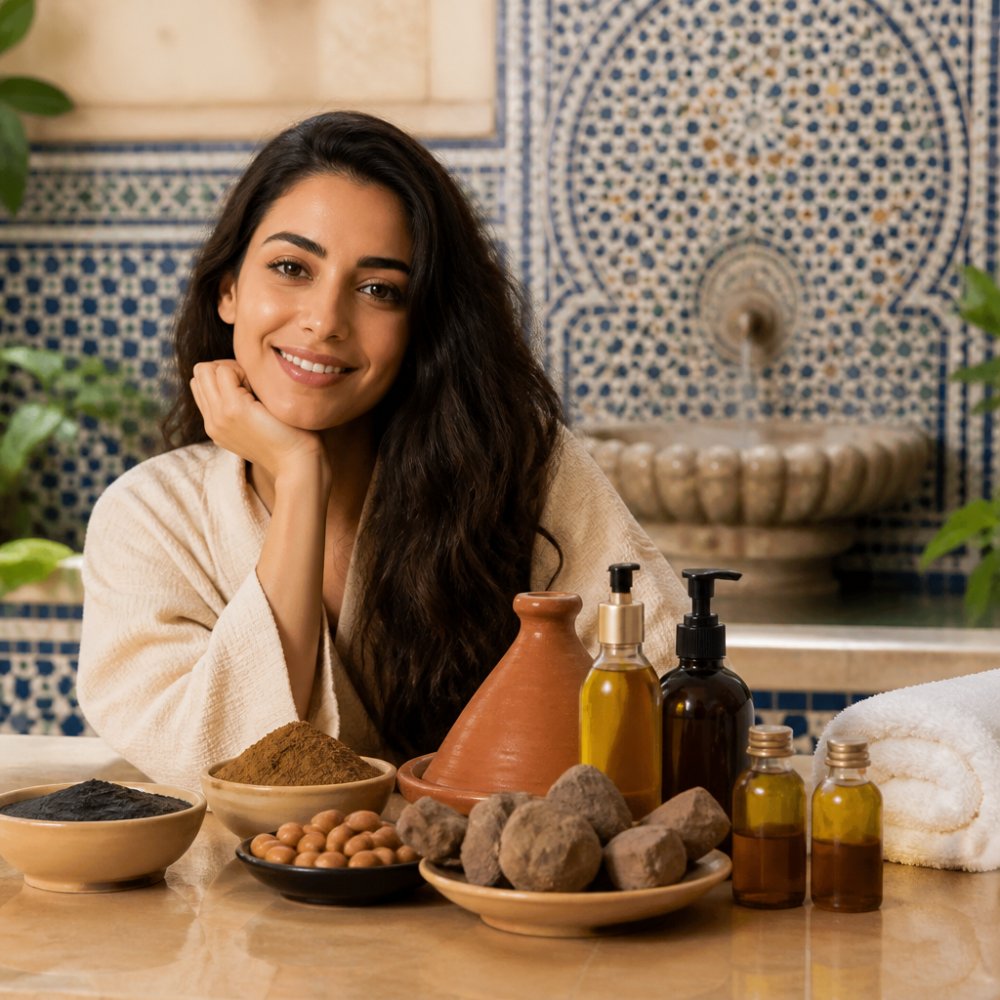
Creating a ghassoul clay face mask at home is straightforward and requires just a few simple ingredients. Start with two tablespoons of ghassoul clay powder and add water, rose water, or argan oil gradually until you achieve a smooth, spreadable paste. The consistency should resemble thick yogurt, thick enough to stay on your face without dripping, but not so stiff that it cracks as it dries.
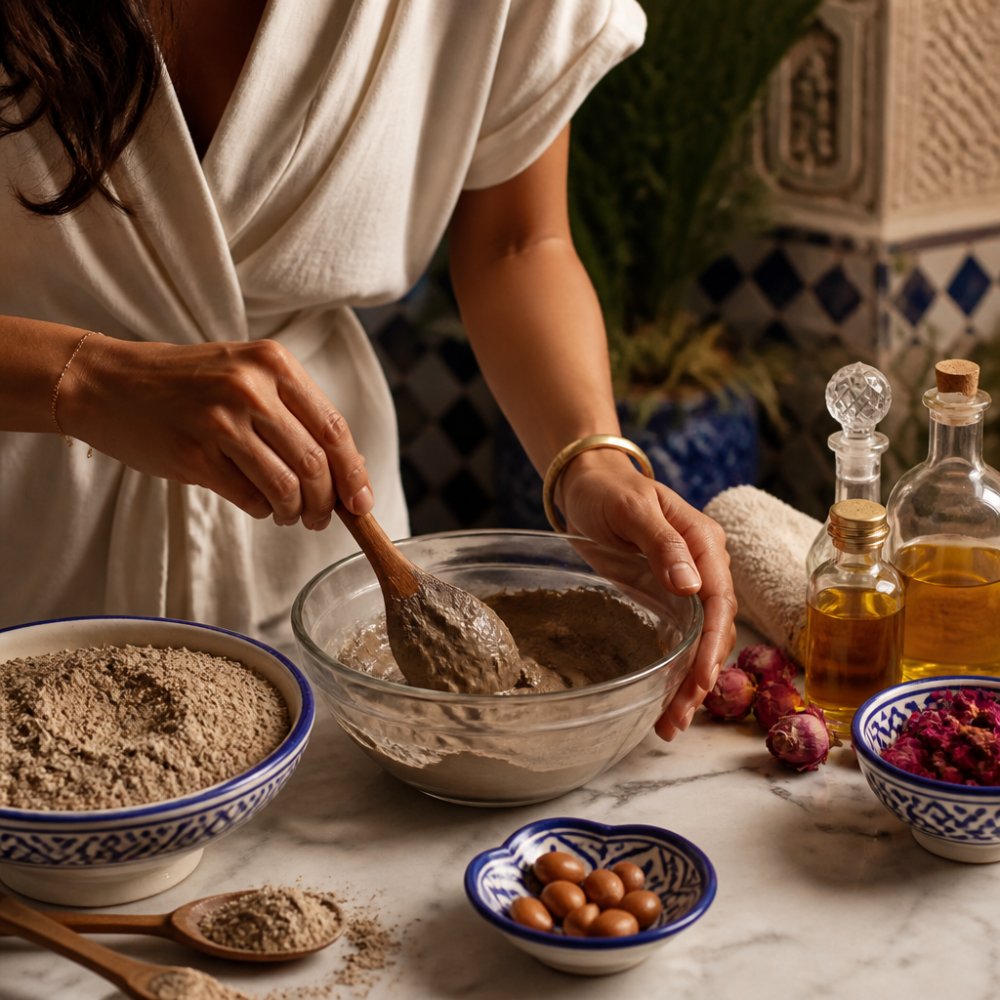
Apply the mask evenly across your face, avoiding the delicate eye and lip areas. Use clean fingers or a soft brush, working in gentle upward strokes. Leave the mask on for 10 to 15 minutes as it begins to set. You'll notice the clay becoming firmer as it dries, this is the adsorption process at work. Rinse thoroughly with lukewarm water, using a soft washcloth to gently remove any remaining clay. Pat skin dry and follow with a hydrating toner or facial oil.
Customizing Your Mask for Your Skin Type
The beauty of ghassoul clay for face is its versatility. For oily skin, mix the clay with water or witch hazel to enhance oil-absorbing properties. For dry or sensitive skin, blend the clay with argan oil or a hydrating floral water like rose or chamomile to maintain moisture while cleansing.
For anti-aging applications, combine ghassoul clay with argan oil and a few drops of frankincense essential oil to amplify collagen-supporting benefits. Those with acne-prone skin might add a drop of tea tree oil for additional purifying support. Mature skin benefits from mixing the clay with argan oil and honey, which provides both nourishment and gentle exfoliation. The key is adjusting the liquid component to match your skin's needs while keeping the clay's detoxifying power intact.
How Long to Leave Ghassoul Clay on Face
The ideal duration for leaving ghassoul clay on your face is 10 to 15 minutes. This timeframe allows the clay to fully absorb impurities and excess sebum without over-drying or irritating your skin. Leaving the mask on longer than 20 minutes can potentially strip moisture, especially for sensitive or dry skin types.
First-time users should start at the shorter end of the range, around 10 minutes, to assess how their skin responds. Once you're familiar with how your skin reacts, you can adjust within the 10 to 15-minute window.
Contact Us for Personalized Spa Packages →
Rhassoul Clay vs. Bentonite Clay for Face
Ghassoul clay and bentonite clay are often compared because both are mineral-rich clays used in skincare. However, they differ significantly in composition, origin, and how they interact with skin. Ghassoul clay for face is sourced from the Atlas Mountains and contains a unique mineral profile dominated by silica, magnesium, and potassium. Bentonite clay, by contrast, is primarily aluminum silicate and originates from volcanic ash deposits.
Ghassoul Clay for Different Skin Types and Conditions
Oily and Acne-Prone Skin
Ghassoul clay for face is exceptionally well-suited to oily and acne-prone skin types. The clay's sebum-regulating properties address the root cause of congestion rather than simply masking symptoms. When mixed with water or witch hazel, it provides powerful purifying action without the irritation that harsher treatments often cause.
Dry and Sensitive Skin
Contrary to assumptions that all clays are drying, ghassoul clay for face can work beautifully for dry and sensitive skin when applied thoughtfully. The secret is using argan oil or hydrating floral waters as the mixing liquid rather than plain water. This approach allows the clay's purifying benefits while maintaining your skin's moisture barrier.
Mature Skin and Anti-Aging Concerns
Mature skin benefits profoundly from ghassoul clay for face because the treatment addresses multiple aging concerns simultaneously. The silica content supports collagen synthesis, the mineral profile improves skin elasticity, and the gentle cleansing action enhances the absorption of subsequent anti-aging serums and oils.
Scientific Evidence and Sustainability Considerations
The traditional use of ghassoul clay for face spans centuries. While formal clinical studies on ghassoul remain limited compared to pharmaceutical treatments, the clay's mineral composition and mechanism of action align with dermatological principles of safe, effective skincare. The clay's gentle adsorption process, its pH-balancing properties, and its non-irritating nature make it a sensible choice for those seeking natural skincare.
Frequently Asked Questions
What does ghassoul clay do for your skin?
Ghassoul clay works through adsorption, binding to impurities, excess sebum, and dead skin cells without stripping your skin's natural oils. Its mineral-rich composition, including magnesium, silica, potassium, and calcium, supports detoxification, pore cleansing, and skin barrier restoration. Regular use can improve skin texture while maintaining your skin's acid mantle balance.
How does ghassoul clay differ from bentonite clay for facial use?
Ghassoul clay is gentler and less drying than bentonite. Bentonite has stronger adsorption properties and works more aggressively on oily skin, while ghassoul provides balanced cleansing with added minerals that support skin elasticity and collagen synthesis. Ghassoul is also non-comedogenic and less likely to disrupt your skin barrier.
How often should you use a ghassoul clay mask on your face?
For most skin types, one to two times per week is ideal. Oily skin may tolerate two applications weekly, while dry or sensitive skin benefits from once weekly use. Start with once weekly and adjust based on how your skin responds. Overuse can lead to excessive dryness and trans-epidermal water loss, so listen to your skin and allow adequate recovery time between applications.
Can ghassoul clay help with blackheads and clogged pores?
Yes. Ghassoul's cationic exchange process draws out impurities and sebum buildup that clog pores and form blackheads. Its exfoliating properties remove dead skin cells that contribute to congestion, while its purifying action helps prevent future blockages. For best results, use consistently over several weeks and pair with gentle exfoliation and non-comedogenic moisturizers to maintain pore clarity without irritation.