 comparison
Fatima's Garden Alternatives for Skin: Natural Oils Compared
Table of Contents
- Why Fatima's Garden Alternatives Matter for Your Skin
- Benefits of Organic Argan Oil for Face
- How to Treat Dry Scalp Naturally With Plant-Based Oils
- Top Fatima's Garden Alternatives: Pure Argan Oil Options
- Renaissance de Beaute Argan Treatments: Authentic Moroccan Sourcing
- Josie Maran 100% Pure Argan Oil: Vitamin E and Fatty Acid Rich
- The Ordinary Cold-Pressed Moroccan Argan Oil: Budget-Friendly Purity
- SheaMoisture 100% Pure Argan Oil: Versatile Head-to-Toe Use
- Good Molecules Squalane Oil: Lightweight Alternative for Combination Skin
- How to Use Ghassoul Clay in Your Skincare Routine
- Cold-Pressed vs. Refined Argan Oil: What Actually Matters
- Choosing the Right Alternative for Your Skin Type
- Conclusion
- Frequently Asked Questions
Last Updated: August 29, 2026
Why Fatima's Garden Alternatives Matter for Your Skin
Many people discover that one brand doesn't work for their specific needs, whether due to price, availability, ingredient preferences, or skin type compatibility. The market for authentic, plant-based skincare has expanded dramatically, offering genuine alternatives that deliver comparable results.
At Renaissance de Beaute Argan Treatments, we understand that finding the right natural oil for your skin is deeply personal. Your skin type, sensitivity level, and specific concerns all determine which product will work best.
This guide explores the top Fatima's Garden alternatives available today, breaking down what makes each option unique and which skin types benefit most from each choice. We'll also cover the science behind these ingredients, fatty acids, vitamin E, omega oils, and traditional Moroccan botanicals, so you understand not just what to use, but why it works.
Benefits of Organic Argan Oil for Face
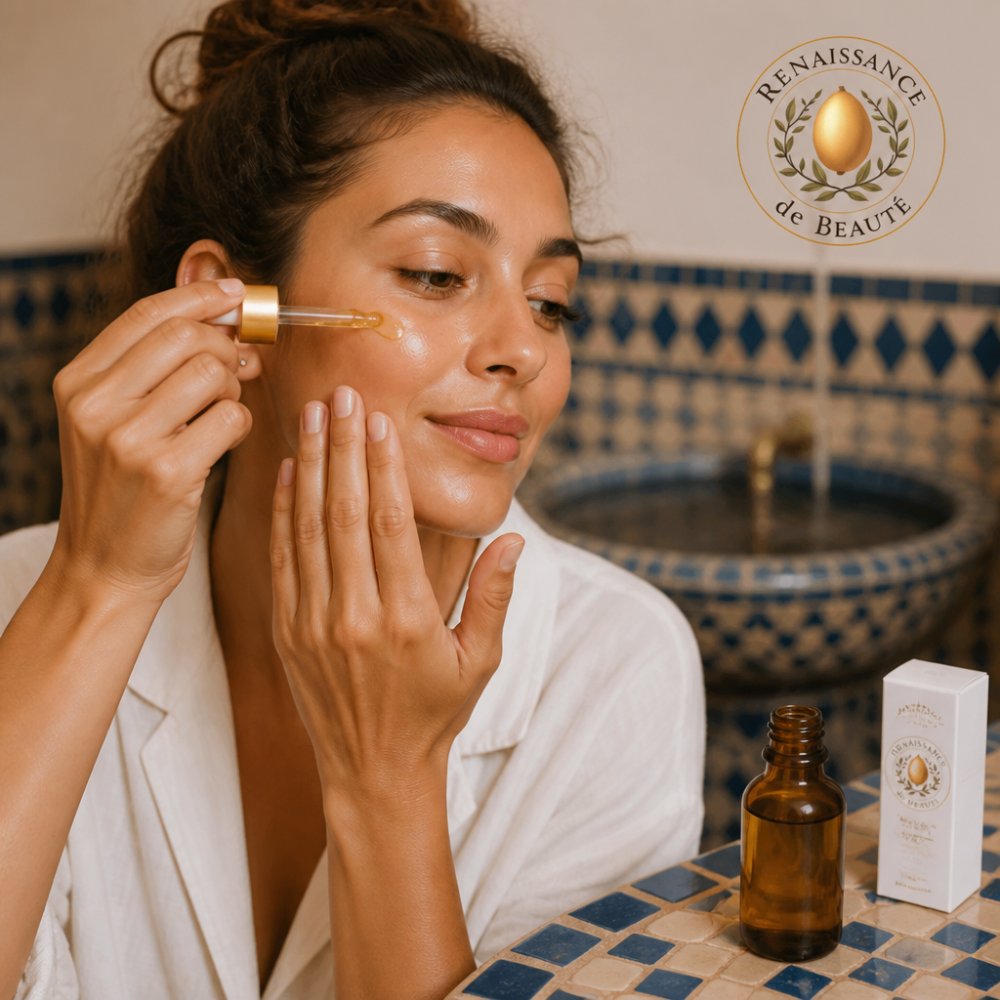
Organic argan oil addresses multiple skin concerns simultaneously. Its rich composition of fatty acids, vitamin E, and antioxidants makes it exceptionally effective for anti-aging, hydration, and skin repair.
Argan oil delivers deep hydration without the heavy, greasy feeling that many face oils leave behind. It absorbs quickly, delivering moisture to the lipid barrier, the protective layer that keeps water in and irritants out. When this barrier is compromised, skin becomes dry, sensitive, and prone to inflammation. Argan oil strengthens this barrier.
Vitamin E functions as a potent antioxidant, protecting skin cells from free radical damage caused by sun exposure, pollution, and oxidative stress. The omega-3 and omega-6 fatty acids work synergistically with vitamin E to reduce inflammation and support the skin's natural healing processes. For mature skin, argan oil promotes cell turnover and collagen production, resulting in smoother texture, reduced hyperpigmentation, and a more radiant complexion.
Argan oil is non-comedogenic and won't clog pores even for acne-prone skin. It actually helps regulate sebum production, making it suitable for all skin types, including combination and oily skin.
How to Treat Dry Scalp Naturally With Plant-Based Oils
A dry, irritated scalp can lead to flaking, itching, and hair loss if left untreated. Plant-based oils like argan oil offer a natural, effective solution without harsh chemicals.
The scalp has fewer sebaceous glands than facial skin, making it naturally more prone to dryness. Environmental factors, heat styling, harsh shampoos, and chlorine further deplete the scalp's natural moisture. When the scalp's lipid barrier breaks down, it becomes vulnerable to irritation and inflammation.
Argan oil penetrates the scalp quickly and nourishes hair follicles. For a scalp treatment, warm the oil slightly, apply it directly to the scalp, and leave it on for at least 20 minutes. Many people prefer overnight treatments for intensive hydration.
Squalane oil offers an excellent lightweight alternative for oily scalps that still need hydration. Despite being an oil, squalane is extremely light and won't leave hair feeling greasy.
For severe dryness or psoriasis-like scalp conditions, ghassoul clay combined with argan oil creates a potent treatment. The clay gently exfoliates dead skin cells while the oil provides deep hydration and healing. Apply oil treatments 1-2 times weekly, depending on scalp condition.
Top Fatima's Garden Alternatives: Pure Argan Oil Options
Renaissance de Beaute Argan Treatments: Authentic Moroccan Sourcing
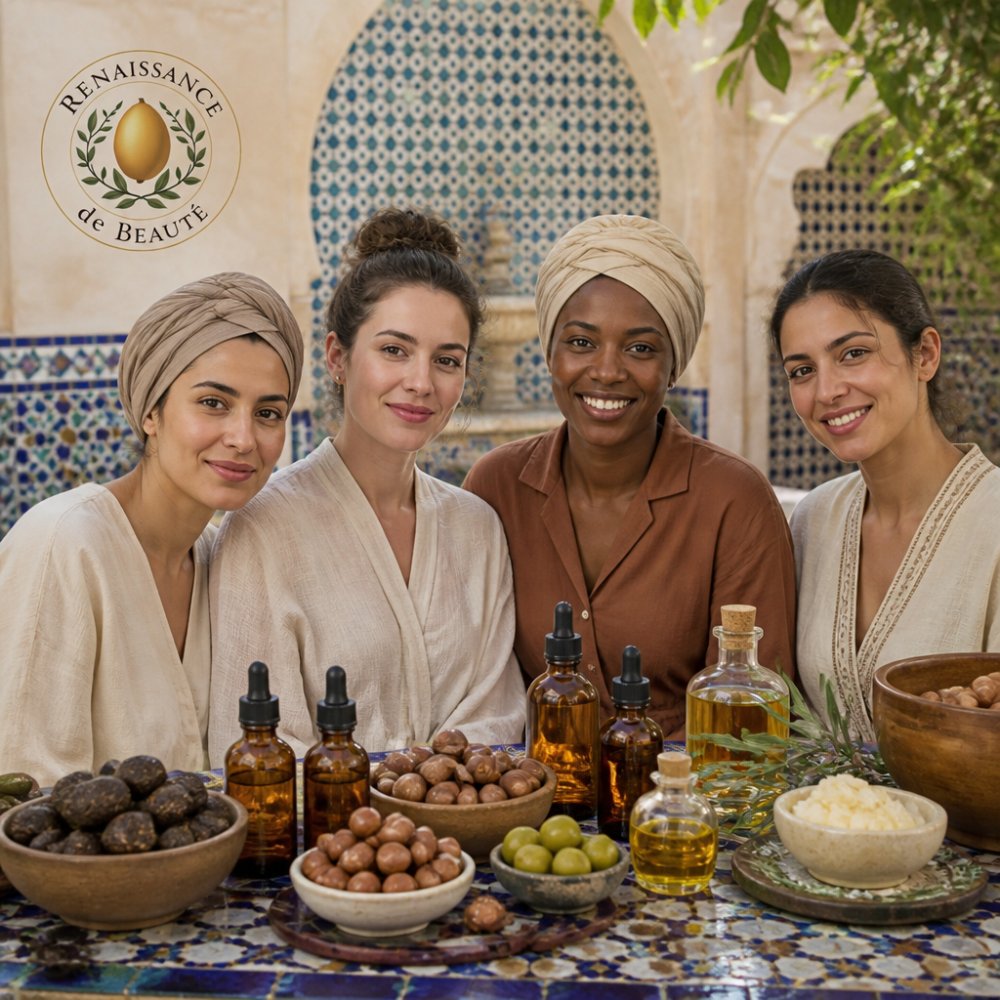
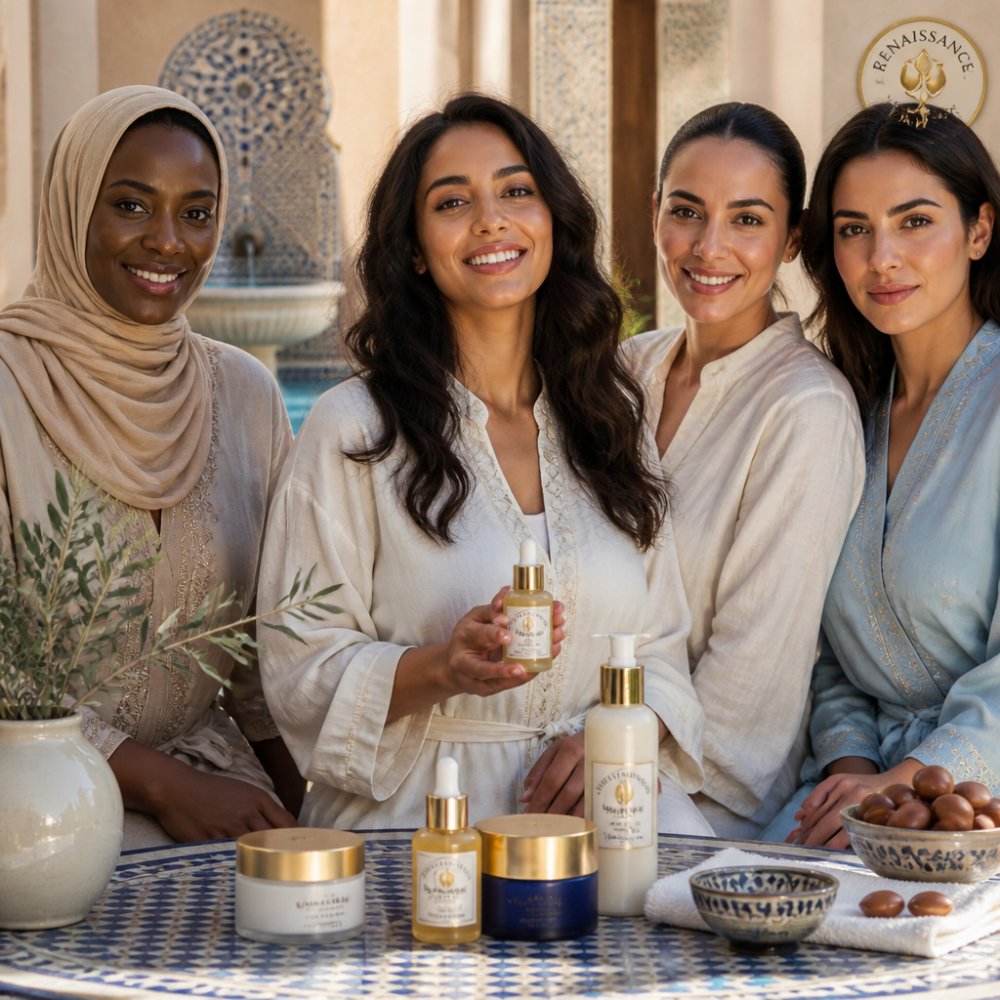
Renaissance de Beaute Argan Treatments stands out as the premier choice for those seeking authentic, luxury Moroccan skincare. Our curated collection of organic argan treatments and traditional Hammam-inspired essentials delivers spa-quality results at home. Every product is meticulously crafted with pure organic healing ingredients sourced directly from Morocco.
Our pure argan oil is cold-pressed and unrefined, preserving all beneficial fatty acids, vitamin E, and antioxidants. We don't dilute our oils with fillers or synthetic fragrances, you get 100% pure product in every bottle.
Beyond argan oil, Renaissance de Beaute offers complementary products like Beldi Black Soap and Ghassoul clay, which work synergistically to deliver deep cleansing, detoxification, and anti-aging benefits. This integrated approach allows you to recreate the full Hammam experience at home. Our treatment consultations help you choose the right products for your specific skin concerns and create a personalized routine.
Josie Maran 100% Pure Argan Oil: Vitamin E and Fatty Acid Rich
Josie Maran's argan oil is 100% pure, organic, and sustainably sourced, with a formulation rich in vitamin E and essential fatty acids. The oil absorbs quickly without leaving a greasy residue, making it suitable for all skin types. Its strength lies in versatility and brand reputation, it works effectively on skin, hair, and nails.
The primary drawback is price point. For budget-conscious consumers, this may feel like an unnecessary premium over more affordable alternatives that offer similar benefits.

The Ordinary Cold-Pressed Moroccan Argan Oil: Budget-Friendly Purity
The Ordinary's cold-pressed, unrefined argan oil delivers exceptional value at a fraction of premium alternatives' price. This oil provides pure, high-quality argan with no dilution or additives. The cold-pressed formulation preserves all beneficial fatty acids, phenols, vitamin E, and carotenes.
This is the go-to choice for those prioritizing value without sacrificing quality. The oil hydrates effectively, supports skin barrier function, and works well for sensitive skin. The natural scent may take adjustment if you're accustomed to fragrance-enhanced products, but it's a sign of purity.
SheaMoisture 100% Pure Argan Oil: Versatile Head-to-Toe Use
SheaMoisture's argan oil emphasizes accessibility and versatility. The product is 100% pure Moroccan argan oil, rich in essential fatty acids and vitamin E, formulated without sulfates, parabens, phthalates, mineral oil, or petrolatum. It's designed for comprehensive head-to-toe use.
SheaMoisture's strength is availability and brand trust. The product is widely stocked in drugstores and online retailers. For those seeking an affordable, accessible option that delivers solid results across multiple uses, SheaMoisture is reliable.
Good Molecules Squalane Oil: Lightweight Alternative for Combination Skin
Good Molecules Squalane Oil represents a different category, a plant-derived alternative to argan oil that excels for specific skin types. Squalane is extremely lightweight, fast-absorbing, and non-comedogenic, making it ideal for combination, oily, and sensitive skin types that might find traditional argan oil too heavy.
Squalane mimics the skin's natural sebum, integrating seamlessly without leaving residue. The oil supports the skin barrier, reduces redness, and can visibly plump fine lines. For those with acne-prone or oily skin seeking lightweight hydration, squalane outperforms heavier oils.
Contact Us for Personalized Spa Packages →
The trade-off is that squalane lacks some specific antioxidants and vitamins present in argan oil. It's best considered a complementary product rather than a direct argan oil replacement.
How to Use Ghassoul Clay in Your Skincare Routine
Ghassoul, also called rhassoul clay, is a traditional Moroccan clay used for centuries in Hammam rituals. Unlike harsher clays that strip the skin, ghassoul is gentle yet deeply purifying. It draws out impurities and excess oil while maintaining the skin's natural moisture balance.
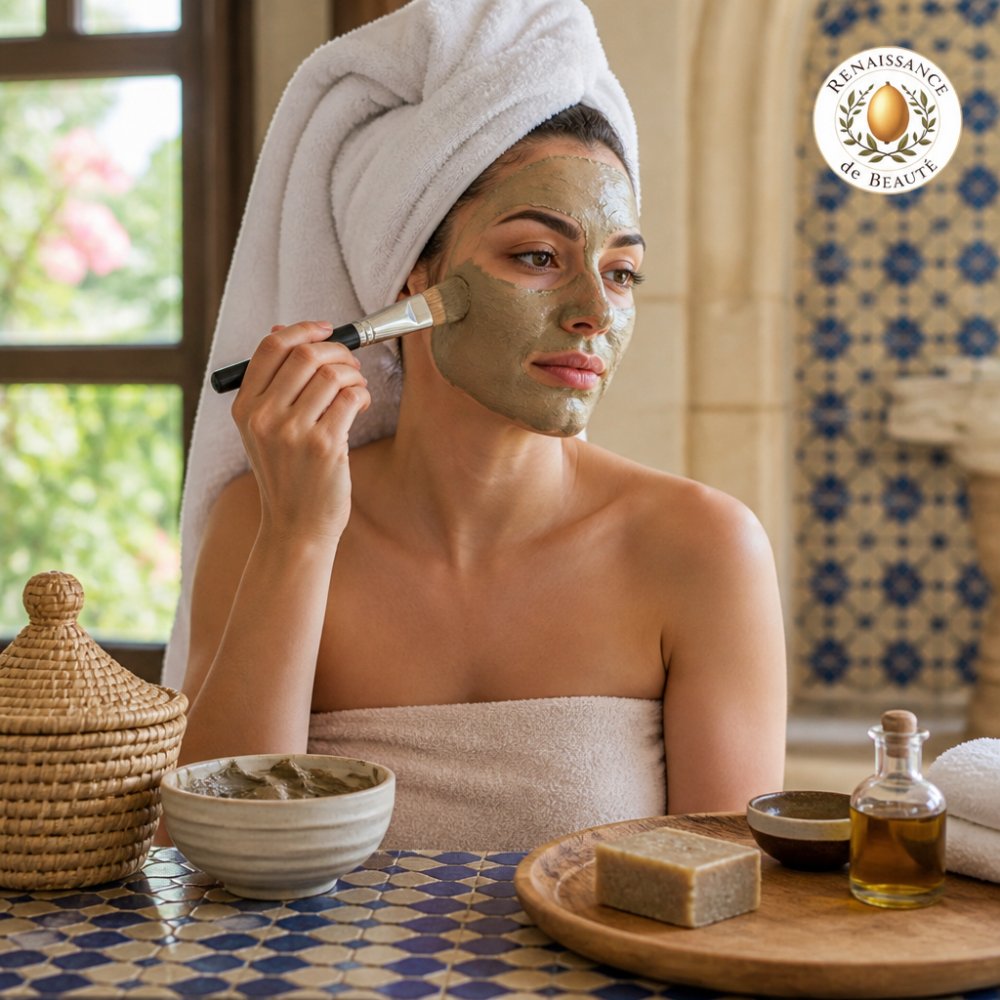
Ghassoul works through a unique mechanism: negatively charged clay particles attract positively charged impurities like bacteria, excess sebum, and environmental toxins. As the clay dries, it gently pulls these impurities from pores without disrupting the skin's lipid barrier, making it suitable even for sensitive skin and eczema.
To use ghassoul effectively, mix the powder with water or argan oil to create a smooth paste. Apply evenly to clean skin and leave on for 10-15 minutes until it begins to dry. Rinse thoroughly with lukewarm water and follow with a hydrating oil or moisturizer.
For acne-prone skin, mix ghassoul with a small amount of argan oil and apply as a targeted mask. The clay draws out impurities while the oil prevents over-drying.
For sensitive or very dry skin, use ghassoul just once weekly and always follow with a nourishing oil. Ghassoul can also be used as a gentle exfoliating cleanser mixed with water to create a thinner consistency for daily or twice-weekly cleansing.
Cold-Pressed vs. Refined Argan Oil: What Actually Matters
Cold-pressed argan oil is extracted using mechanical pressure without heat or chemicals, preserving all beneficial compounds, fatty acids, vitamin E, phenols, carotenes, and antioxidants. The oil retains its natural golden color and earthy scent.
Refined argan oil undergoes chemical extraction and heat processing to increase yield and shelf stability. This process removes some beneficial compounds and often requires preservatives or stabilizers. Refined oil is lighter in color and has a more neutral scent, but it's nutritionally inferior.
For skincare purposes, cold-pressed, unrefined argan oil is always the better choice. The difference in price is minimal, so there's no practical reason to compromise.
When shopping for argan oil, look for these indicators of quality: cold-pressed or first-pressed on the label, dark glass bottles (which protect the oil from light degradation), and a golden to amber color. Avoid oils in clear plastic bottles or those labeled simply as "argan oil" without processing method specified.
Choosing the Right Alternative for Your Skin Type
Selecting the right Fatima's Garden alternative depends on your specific skin type, concerns, and preferences.
For dry, mature, or damaged skin: Renaissance de Beaute Argan Treatments or Josie Maran argan oil are ideal. Both offer premium quality and can contribute to anti-aging results. If budget is a concern, The Ordinary provides quality at a lower cost.
For oily or combination skin: Good Molecules Squalane Oil is optimal. Its lightweight, fast-absorbing formula provides necessary hydration without clogging pores or adding shine.
For sensitive, eczema-prone, or psoriasis-affected skin: Cold-pressed argan oil from any reputable source works well. Renaissance de Beaute's comprehensive approach, combining argan oil with ghassoul clay and Beldi Black Soap, offers a luxurious experience.
For scalp health: All argan oil options work effectively. For oily scalps, squalane is preferable. For intensive scalp repair, combine argan oil with ghassoul clay as a weekly treatment.
For budget-conscious consumers: The Ordinary offers quality at a lower price point. SheaMoisture provides good value with excellent availability.
| Skin Type | Best Choice | Why | Alternative |
|---|---|---|---|
| Dry/Mature | Renaissance de Beaute or Josie Maran | Premium quality, anti-aging benefits | The Ordinary (budget option) |
| Oily/Combination | Good Molecules Squalane | Lightweight, non-comedogenic, fast-absorbing | The Ordinary Argan Oil |
| Sensitive/Eczema | Renaissance de Beaute (full routine) | Comprehensive barrier support, suitable for sensitive skin | Cold-pressed argan from any brand |
| Scalp Treatment | Any cold-pressed argan oil | All perform equally; choose by budget/availability | Squalane for oily scalps |
| Budget Priority | The Ordinary | Pure quality at lower cost | SheaMoisture |
Conclusion
Finding the right Fatima's Garden alternative for skin means understanding your specific skin needs and matching them to the right product. Whether you prioritize luxury and authenticity, budget-friendly value, or specialized formulations for oily or sensitive skin, the market offers genuine alternatives that deliver results.
Renaissance de Beaute Argan Treatments remains a top choice for those seeking authentic Moroccan beauty traditions combined with anti-aging and revitalization benefits. Our pure argan oil, complemented by traditional Hammam essentials like ghassoul clay and Beldi Black Soap, creates a comprehensive skincare experience that addresses multiple concerns simultaneously.
For personalized guidance on building a routine tailored to your specific skin type and concerns, contact our team for treatment consultations. We're here to help you discover which products will deliver the best results for your unique skin. Get started with Renaissance de Beaute Argan Treatments and experience the transformative power of authentic Moroccan skincare.
Frequently Asked Questions
Q: What makes Fatima's Garden alternatives different from the original brand?
A: Fatima's Garden alternatives vary in sourcing authenticity, processing methods, and ingredient concentration. Some options like Renaissance de Beaute focus on traditional Moroccan sourcing and spa-quality formulations, while others prioritize cold-pressed, unrefined extraction to preserve fatty acids and vitamin E. The key difference lies in how brands handle their argan oil: cold-pressed oils retain more bioactive compounds, while refined versions offer lighter textures. Your choice depends on whether you prioritize ingredient potency, price point, or specific skin benefits like anti-aging or scalp nourishment.
Q: How do I know if an argan oil alternative is truly authentic and high-quality?
A: Authentic argan oil should be cold-pressed and unrefined, with a golden color and slight nutty scent. Check the label for '100% Pure Argan Oil' or 'Organic Moroccan Argan Oil' without added fillers. High-quality oils list argan as the sole ingredient and come in dark glass bottles to protect against light degradation. Look for certifications from reputable organizations and brands that disclose their sourcing. Avoid oils that are suspiciously cheap or refined, as these often lose beneficial fatty acids, omega-3, omega-6, and omega-9 compounds that make argan oil effective for skin health.
Q: Can argan oil alternatives treat eczema and psoriasis symptoms?
A: Yes, pure argan oil alternatives can help manage eczema and psoriasis due to their high fatty acid and vitamin E content, which supports the lipid barrier and reduces skin inflammation. Cold-pressed, unrefined oils are most effective because they retain antioxidant properties and natural compounds that soothe irritated skin. However, results vary by individual, and sensitive skin may need a patch test first. For persistent eczema or psoriasis, use argan oil as a complement to dermatological treatment, not a replacement. Combining argan oil with Ghassoul clay can enhance detoxification and soothe inflamed areas without harsh chemicals.
Q: Which Fatima's Garden alternative works best for acne-prone skin?
A: For acne-prone skin, non-comedogenic argan oils like those from Josie Maran or The Ordinary are ideal because they balance sebum levels without clogging pores. These oils contain omega-6 and omega-9 fatty acids that regulate natural oil production rather than adding excess. Squalane oil from Good Molecules is another excellent choice for acne-prone skin because it's lightweight, non-sticky, and helps calm inflammation without triggering breakouts. Apply sparingly to clean skin, and always patch-test first. Pairing your chosen oil with Ghassoul clay masks once weekly can help detoxify pores and prevent future breakouts.