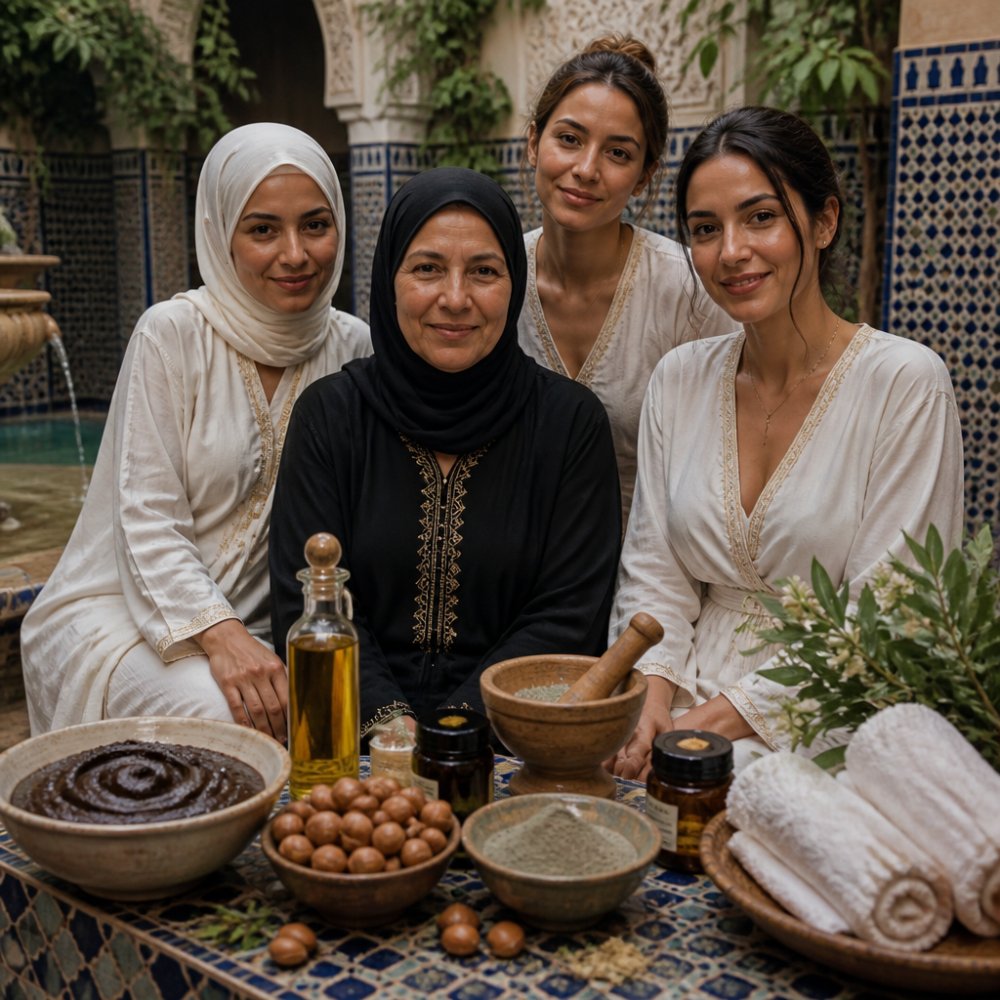
 comparison
Fatima's Garden Alternative: Organic Skincare Guide
Table of Contents
- Quick Comparison: 5 Organic Skincare Alternatives
- Renaissance de Beaute: Traditional Moroccan Rituals at Home
- Radiant Bloom Organic: ECOCERT COSMOS Certified Transparency
- cocokind: Affordable Plant-Based Skincare Under $15
- True Botanicals: Clinically Tested Luxury Organic Formulas
- OSEA: Marine-Based Organic Skincare with Seaweed
- Pure Organic Argan Oil Benefits for Skin and Hair
- How to Treat Dry Scalp Naturally with Botanical Oils
- Frequently Asked Questions
Last Updated: September 15, 2026
Quick Comparison: 5 Organic Skincare Alternatives
Fatima's Garden has become a familiar name for shoppers hunting authentic Moroccan beauty products, but it isn't the only option worth your attention. This guide from Renaissance de Beaute Argan Treatments compares five organic skincare alternatives on certification, sourcing transparency, ingredient quality, and price accessibility, so you can match a brand to your actual skin and budget. Fatima's Garden alternative searches have climbed steadily as more buyers question whether "organic" on a label means anything verifiable.
Below, we break down how each brand earns its claims, where each one falls short, and which skin types each suits best.
| Brand | Certification / Standard | Starting Price | Best For |
|---|---|---|---|
| Renaissance de Beaute | Traditional Moroccan formulations, pure Argan Oil | Varies by product | Hammam rituals, dry skin, scalp, and hair |
| Radiant Bloom Organic | ECOCERT COSMOS certified | Varies by product | Certification-first shoppers |
| cocokind | Plant-based, non-GMO | $12 | Budget-conscious beginners |
| True Botanicals | MADE SAFE certified, clinically tested | $30 | Luxury anti-aging routines |
| OSEA | Vegan, cruelty-free, seaweed-based | $38 | Marine-based clean beauty |
How We Evaluated These Brands
We scored each brand on four criteria: ingredient sourcing transparency, third-party certification, formulation focus (treatment-grade versus maintenance), and accessibility. Certification matters because the USDA National Organic Program standards set the baseline for what "organic" legally means on a US label. A brand that publishes its certification body and sourcing chain gives you something to verify. A brand that only says "natural" gives you marketing.
Renaissance de Beaute: Traditional Moroccan Rituals at Home
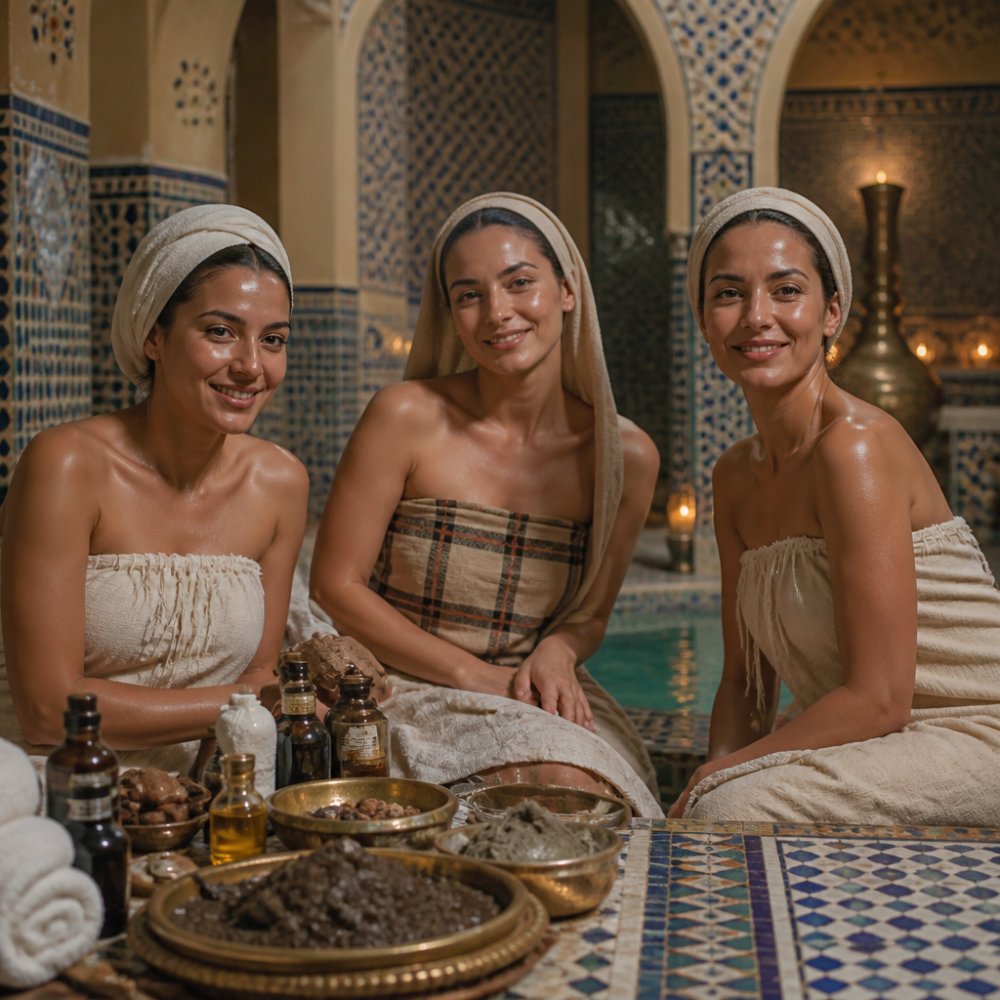
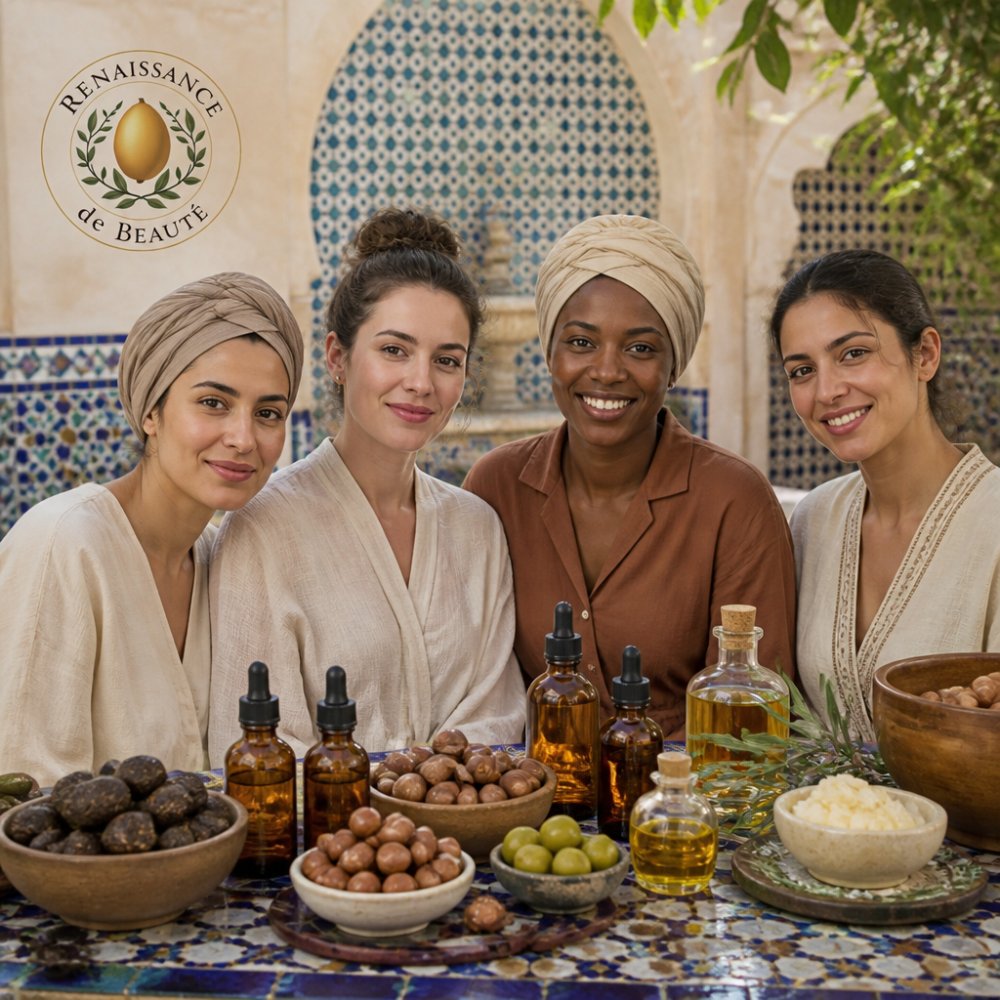
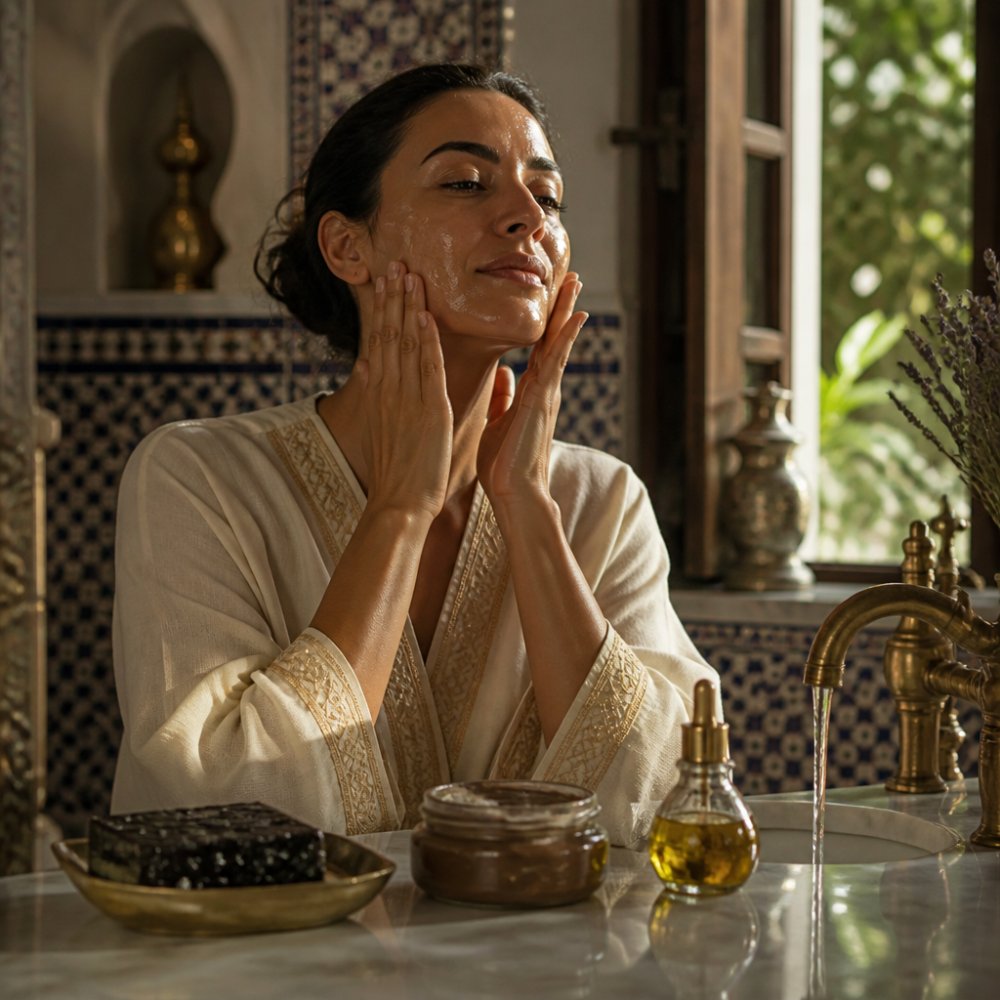
Our top pick for anyone seeking a genuine Fatima's Garden alternative is Renaissance de Beaute Argan Treatments. The brand builds its line around authentic Moroccan Argan Oil, Beldi Black Soap, and Ghassoul clay, the same ingredients used in traditional Hammam cleansing rituals, formulated for at-home use.
What separates it from mass-market options is the ritual structure. You aren't buying a single serum; you're buying a routine: black soap to cleanse and exfoliate, Ghassoul to draw out impurities, Argan Oil to restore the lipid barrier afterward. For adults over 30 dealing with dryness, sun damage, or a flaky scalp, that sequence addresses the problem at multiple stages rather than masking it.
The honest limitation: this is a curated, ritual-focused range, so if you want a single all-in-one moisturizer, look elsewhere. For a full routine, start with the Renaissance Online Shop or book a Treatment Consultation if you're unsure which products fit your skin.
Radiant Bloom Organic: ECOCERT COSMOS Certified Transparency
Radiant Bloom Organic earns its place through certification rather than novelty. Its formulations carry ECOCERT COSMOS certification, a standard that verifies organic content and restricts the ingredient list far more tightly than self-declared "clean" claims.
That third-party audit is the whole point. If you've been burned by products labeled natural that still triggered a reaction, a certified organic seal narrows the field considerably. The trade-off is availability: Radiant Bloom doesn't have the shelf presence of mass-market brands, so restocking takes planning. Best for shoppers who read ingredient panels and want an auditor's signature behind the claims.
cocokind: Affordable Plant-Based Skincare Under $15
cocokind proves that organic-leaning skincare doesn't require a luxury budget. Products start around $12, with plant-based, non-GMO formulations and transparent labeling on every item.
The brand's strength is accessibility and honesty. You know what's in the bottle, and you're not paying for a prestige markup. Where it falls short is specialization: cocokind keeps its range simple, so if you need a targeted treatment for stubborn dryness or a dedicated scalp routine, you'll likely layer in products from another brand.
Where cocokind Fits in an Ingredient Comparison
Most "best alternative" lists stop at price and vibe. A more useful test is fatty-acid profile, because that's what actually determines how an oil behaves on your skin. Here's how the common organic skincare oils stack up:
| Oil | Dominant Fatty Acids | Texture / Absorption | Best Suited To |
|---|---|---|---|
| Argan | Oleic (~43-49%), Linoleic (~29-36%) | Medium, absorbs without heavy residue | Dry, mature, and combination skin; hair and scalp |
| Prickly Pear (Barbary Fig) | Linoleic (~60%+) | Light, fast-absorbing | Oily, acne-prone, reactive skin |
| Jojoba | Wax esters (not a true triglyceride) | Closest to human sebum | All skin types; balancing oily skin |
| Rosehip | Linoleic (~45-50%), Linolenic (~30%+) | Light, slightly astringent | Uneven tone, post-acne marks, mature skin |
| Coconut | Lauric (~45-50%) | Heavy, occlusive | Body only for most; comedogenic on facial skin |
Read that table against cocokind's lineup and the trade-off becomes clear. cocokind's formulas lean on lighter, faster-absorbing oils and water-based actives, which is why they work well for beginners and oily-to-normal skin but rarely deliver the barrier-repair punch that a high-oleic oil like argan provides for very dry or compromised skin. If your concern is flaking, post-procedure dryness, or a tight-feeling barrier, an argan- or rosehip-forward product will outperform a lightweight lotion regardless of price.
Skin Type Compatibility at a Glance
- Oily or acne-prone: Reach for high-linoleic, low-oleic oils (prickly pear, rosehip) and lightweight water-based formulas. cocokind fits here.
- Dry or mature: Prioritize oleic-rich oils (argan, marula) that reinforce the lipid barrier. cocokind alone often isn't enough.
- Combination: Jojoba or argan in a thin layer; avoid heavy butters on the T-zone.
- Reactive or sensitized: Patch-test first; single-ingredient oils beat multi-botanical blends when you're isolating a trigger.
Best for students, first-time organic buyers, and anyone building a basic daily routine without commitment, just understand that "affordable" and "treatment-grade" are different jobs, and cocokind is honestly the former.
True Botanicals: Clinically Tested Luxury Organic Formulas
True Botanicals targets the high-performance end of clean beauty, combining bioactive plant extracts with clinical testing and MADE SAFE certification, which screens for known toxic ingredients. Products start around $30.
The clinical testing angle matters for anti-aging shoppers. Many organic brands lean on tradition alone; True Botanicals publishes test results. The drawback is price, and at this tier you're paying for both the formulation and the brand positioning. Best for buyers treating organic skincare as a long-term anti-aging investment rather than a casual experiment.
OSEA: Marine-Based Organic Skincare with Seaweed
OSEA differentiates through marine ingredients, using sustainably sourced seaweed alongside organic botanicals in vegan, cruelty-free formulas. Expect to start around $38.
Seaweed brings minerals and humectant properties that plant-only formulas sometimes lack, and OSEA's commitment to synthetic-fragrance-free products suits reactive skin. The premium pricing is the main barrier, and if you're specifically after Moroccan-style Argan and clay rituals, this isn't a substitute. Best for those who want clean beauty with a marine twist and don't mind paying for it.
How to Verify "Organic" Before You Pay Premium Prices
At OSEA's price tier, and at any tier, honestly, the word "organic" on a label is doing a lot of unpaid labor. Here's how to tell a verified claim from a marketing one:
- Look for a certifying body, not just the word. In the U.S., the USDA National Organic Program is the only regulator that governs the term "organic" on personal care products.
Where OSEA Sits Against That Standard
Pure Organic Argan Oil Benefits for Skin and Hair
How to Treat Dry Scalp Naturally with Botanical Oils
Frequently Asked Questions
What are the benefits of using authentic Moroccan Argan oil?
Authentic Moroccan argan oil is rich in fatty acids, vitamin E, and tocopherols that support the lipid barrier and improve skin elasticity. It works as a non-comedogenic moisturizer for both skin and hair, helping with dandruff treatment and dry scalp relief. Cold-pressed versions retain more antioxidants than heat-processed oils, making them more effective for anti-aging and skin repair. Look for organic certification to ensure purity.
How can you tell if Argan oil is 100% pure and organic?
Check for third-party organic certification like ECOCERT or USDA Organic on the label. Pure argan oil should list only one ingredient: argan oil. Cold-pressed oil has a light nutty scent and golden color, while deodorized versions are clear and odorless. If the price seems unusually low, it may be diluted with cheaper carrier oils. Reputable brands publish sourcing details and batch information.
What should I look for when buying organic skincare from Morocco?
Prioritize brands that disclose their sourcing regions and hold fair trade or organic certifications. Authentic Moroccan beldi black soap contains olive oil, water, and potassium hydroxide, with no synthetic fragrances. Ghassoul clay should be mined from the Atlas Mountains. Verify that argan oil is cold-pressed and that the brand provides batch traceability. Transparent ingredient lists and ethical production claims are strong indicators of quality.
Is cold-pressed Argan oil better for skin health than other extraction methods?
Cold-pressed extraction preserves vitamin E, fatty acids, and antioxidant compounds that heat processing can degrade. This means cold-pressed argan oil offers better skin hydration, anti-inflammatory support, and regenerative properties for damaged skin. It absorbs quickly without leaving a greasy film, making it suitable for most skin types. For dry scalp and hair, cold-pressed oil penetrates the follicle more effectively than refined alternatives.
How do I choose between these organic skincare alternatives?
Match the brand to your priority. Renaissance de Beaute suits those wanting traditional Moroccan Hammam rituals with argan oil and beldi soap. Radiant Bloom Organic offers ECOCERT COSMOS certification for ingredient transparency. cocokind provides budget-friendly plant-based options under $15. True Botanicals delivers clinically tested luxury formulas. OSEA focuses on marine-based ingredients. Review the skin type compatibility section to align your choice with your specific concerns.
Finding an organic skincare routine that genuinely delivers, rather than just labels itself organic, takes more scrutiny than most shoppers expect. Renaissance de Beaute Argan Treatments offers authentic Moroccan Argan Oil, Beldi Black Soap, and Ghassoul clay, with anti-aging, deep-cleansing, and scalp-revitalizing benefits built into traditional Hammam rituals you can recreate at home. Get started with Renaissance de Beaute and bring spa-quality Moroccan care into your daily routine.